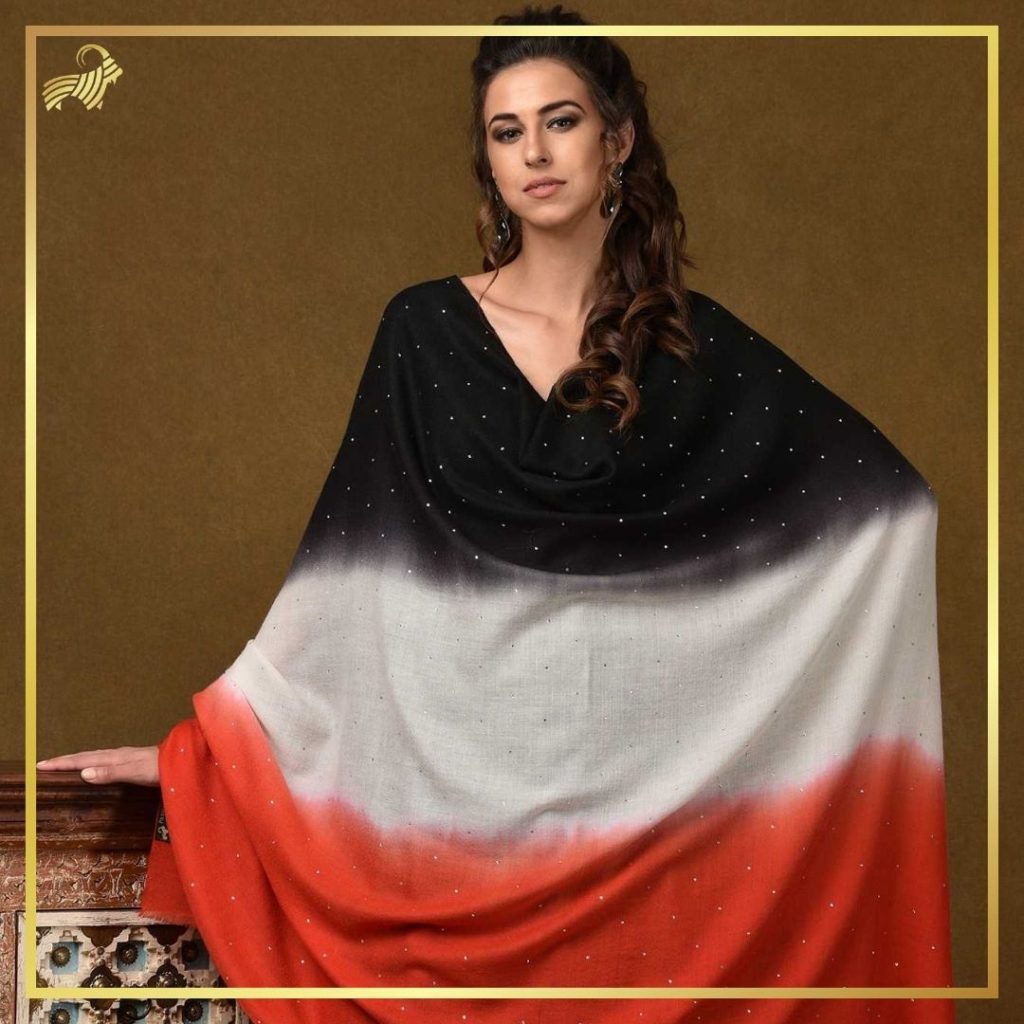
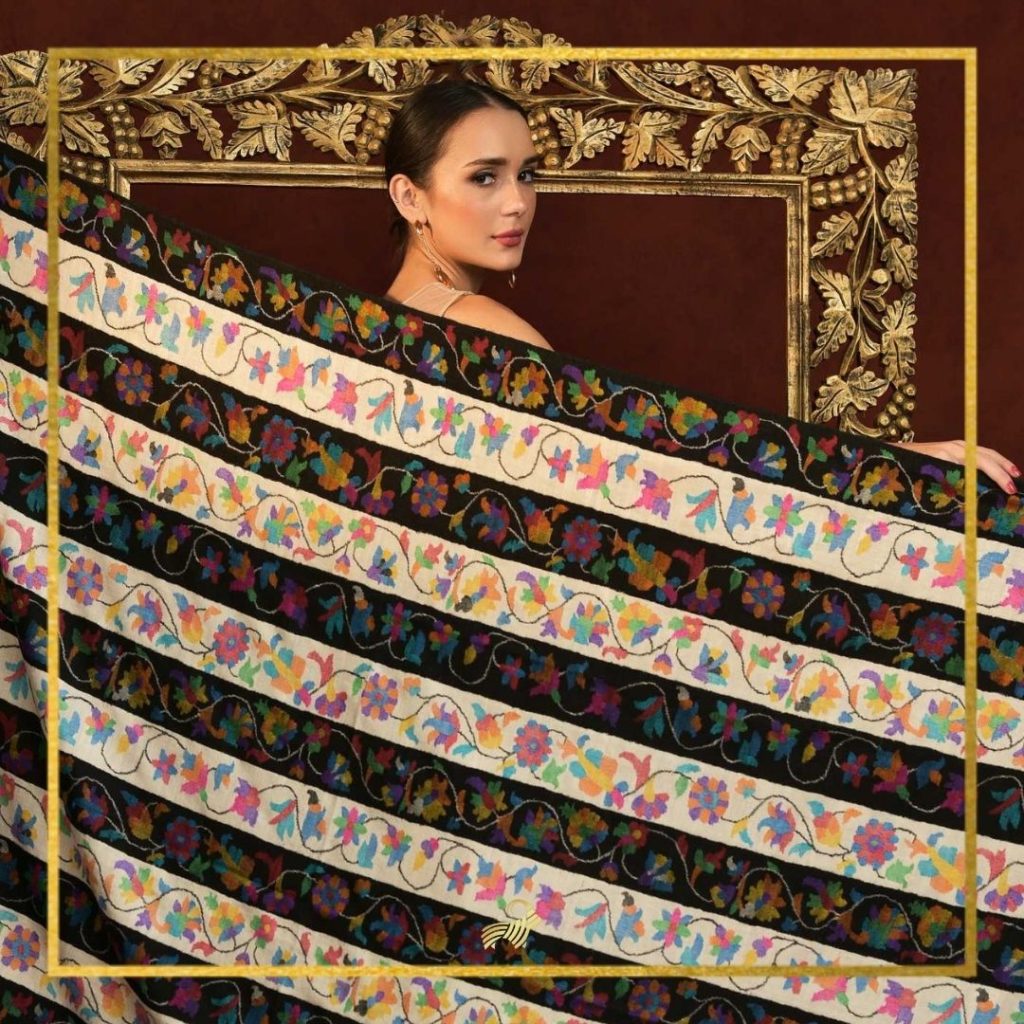
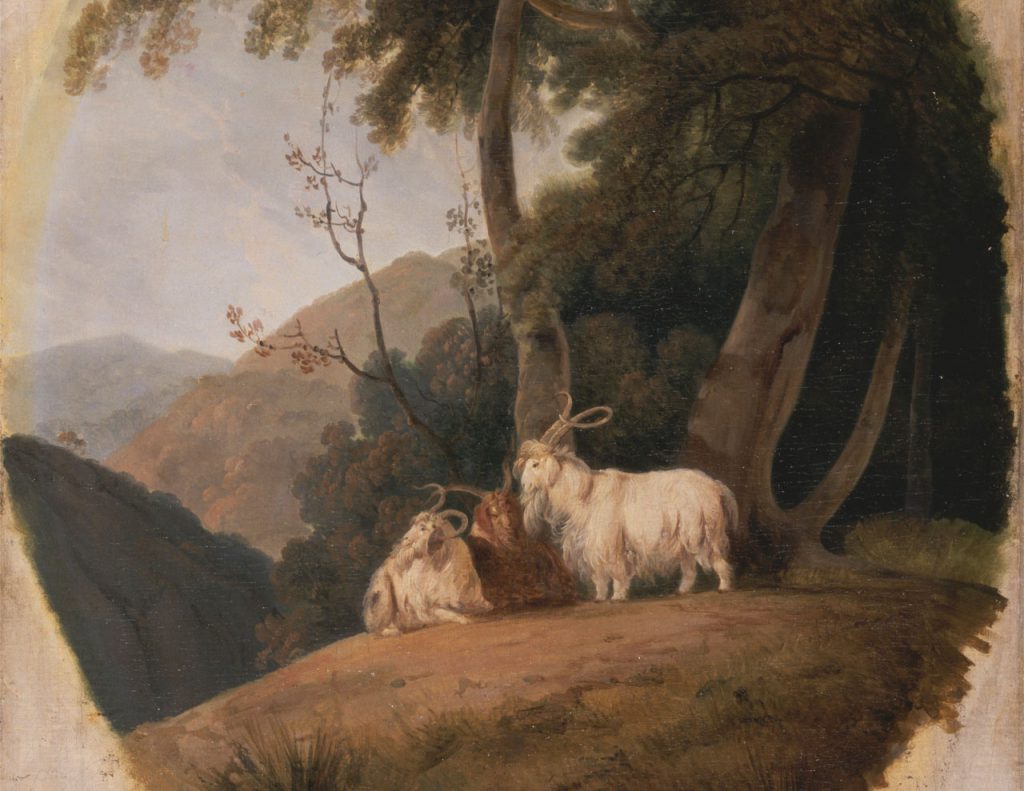
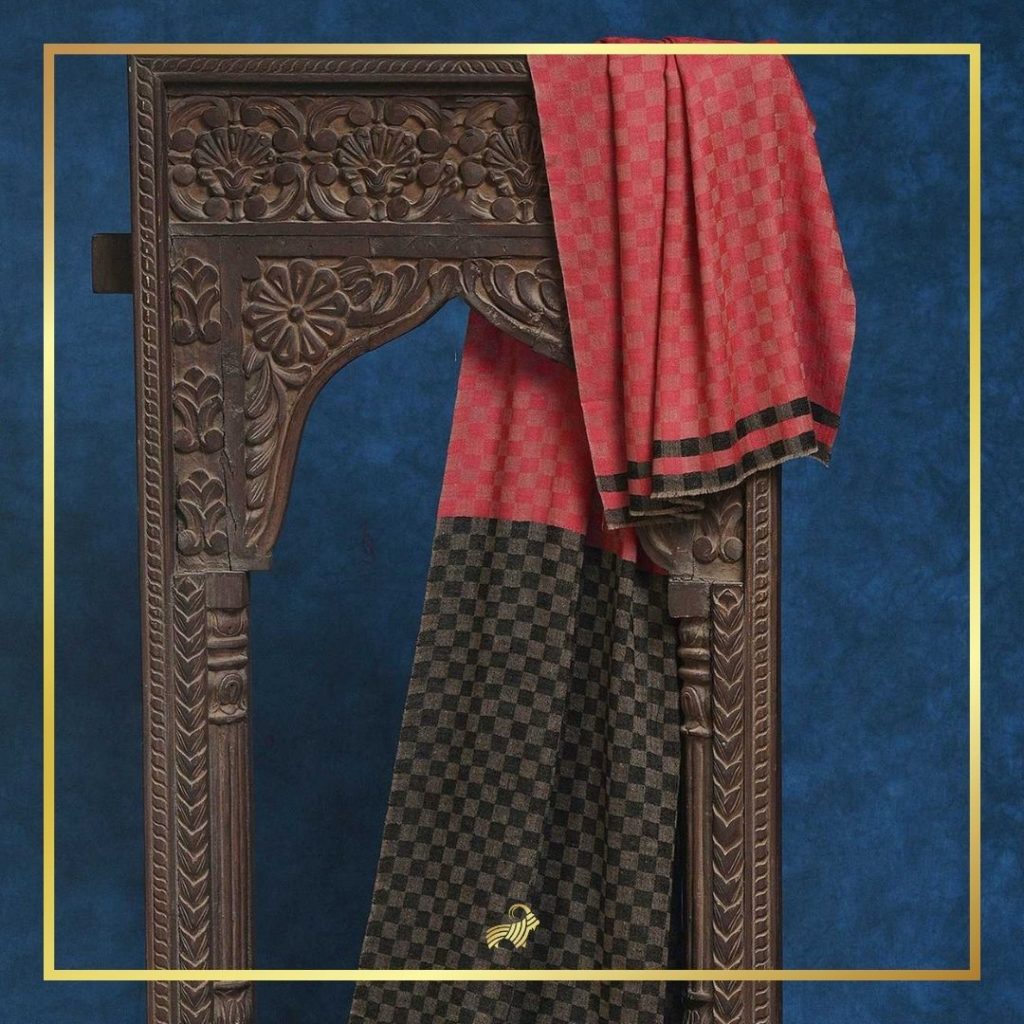
When you hear of Pashmina wraps, you generally think of age-old, saree-clad women draping the coveted Pashmina wraps on their shoulders. Yes, this does exist even today, but the numbers are fewer. Let us get it straight, not the numbers who buy this luxurious shawl, but those who wear it in a traditional manner. We live in a day and age where fashion choices have become significant and putting together a great outfit replete with stylish accessories is what makes you stand out.
What is a Cashmere Wrap?
Made from the finest fibers of cashmere goats, especially those found in the high altitudes of the Himalayas, a cashmere wrap is an opulent and adaptable accessory. Cashmere is a wool product known for its exceptional warmth, softness, and light weight. The soft, fluffy quality of this delicate material is ensured by combing it from the goats' undercoat, making it feel pleasant against the skin. The resultant wrap is perfect for layering throughout the seasons since it provides warmth without adding weight. Wearing it in mild or cool weather is made possible by its delicate weave.
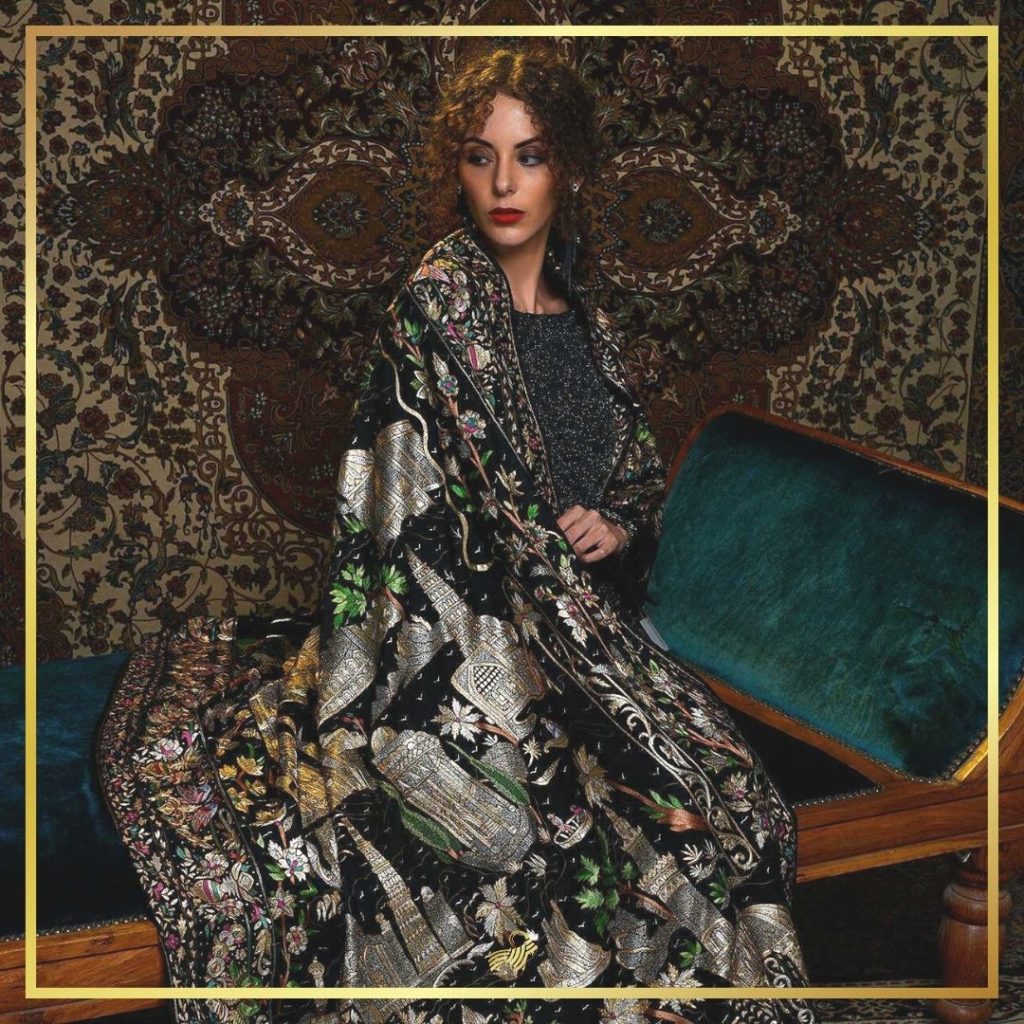
Cashmere wraps have developed from classic to modern designs, fusing creativity and utility. They are sometimes handwoven or hand-embroidered by trained artisans, especially in areas like Kashmir where the technique has great cultural significance. They are sometimes embellished with exquisite patterns including paisleys, floral motifs, and geometric designs. These wraps frequently represent decades of skill and encapsulate the legacy of weaving and textile arts, whether they are ornamented with delicate embellishments or exquisite embroidery. A Cashmere wrap is made with such creativity and accuracy that it transcends the realm of clothes to become a work of art.
Procuring the fine Cashmere wool from Changhthanghi
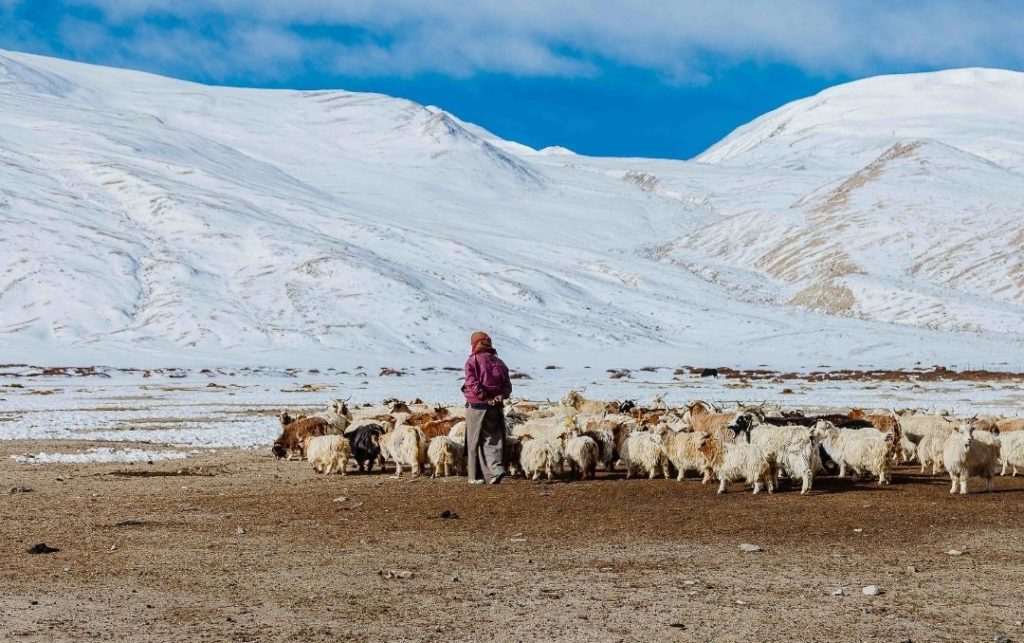
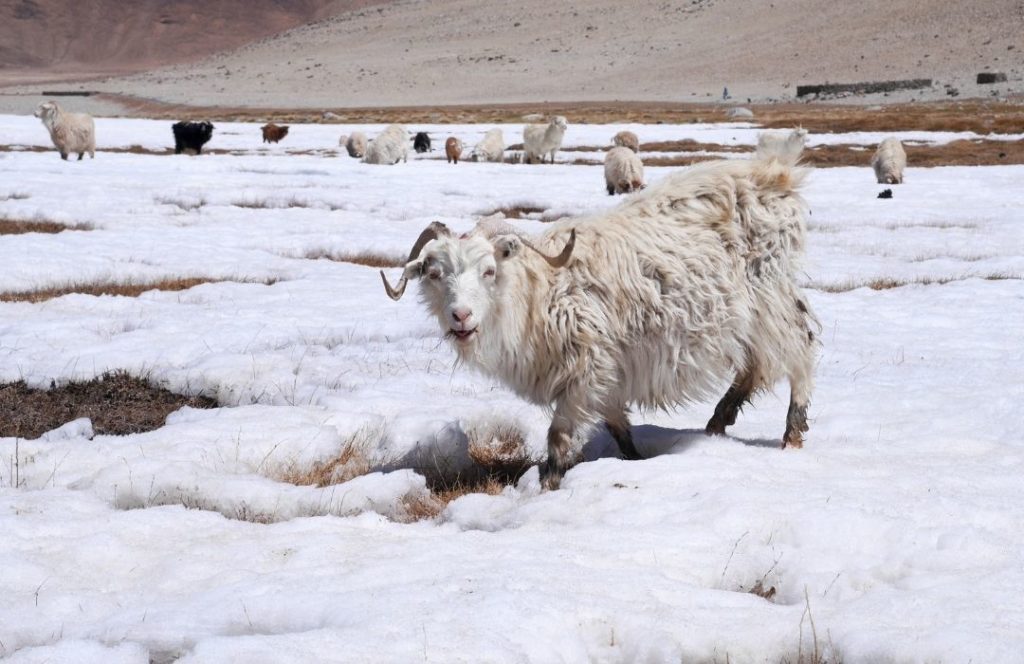
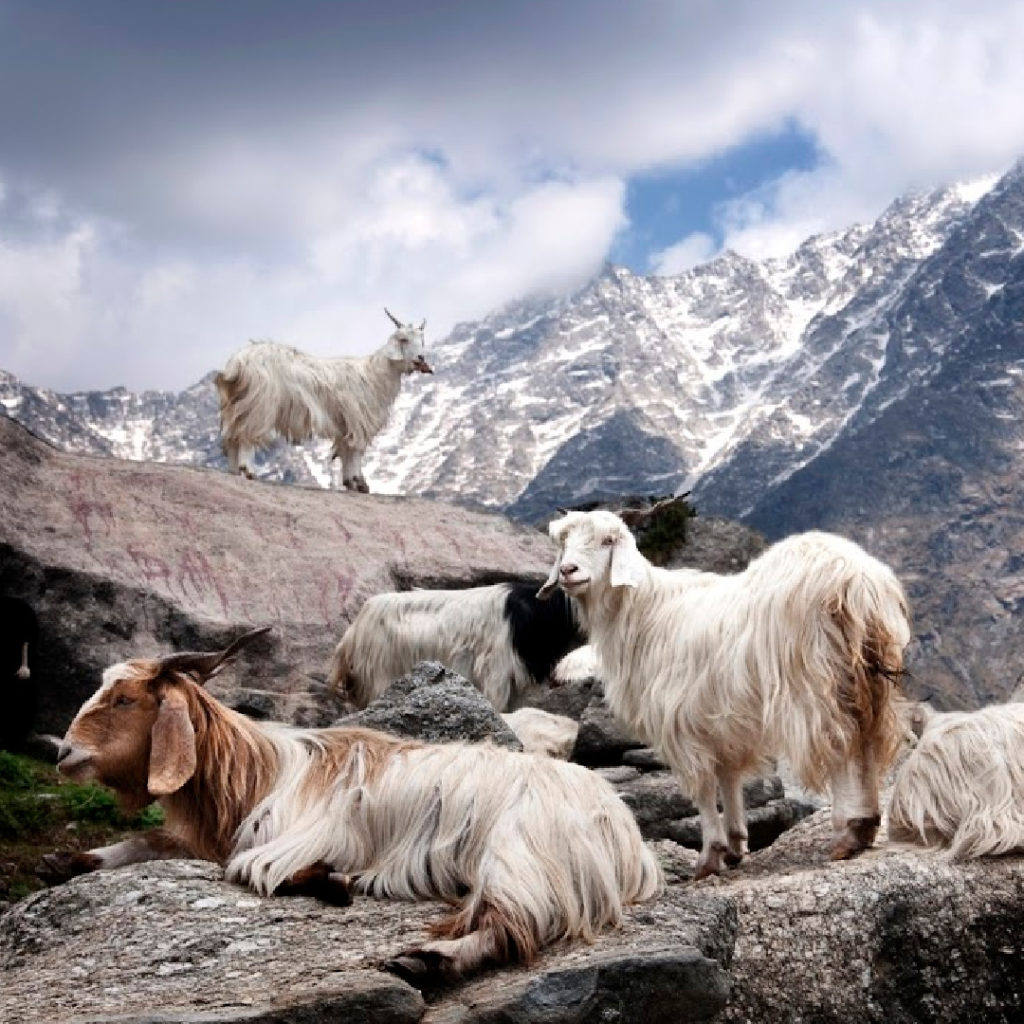
It takes careful attention to detail and tradition to obtain the exquisite Cashmere wool from Changthangi goats, which are indigenous to the high-altitude Changthang region of Ladakh. These resilient goats create a very soft undercoat to withstand the harsh winters since they are acclimated to the high cold of the Himalayas. The fine fibers are meticulously combed by hand when the goats naturally shed their wool in the spring. This process guarantees that the delicate fleece is recovered without endangering the animals. The base for the opulent Cashmere textiles, its undercoat—known as pashm—is highly valued for its exceptional lightness, warmth, and softness.
Due to its tiny micron diameter, which enables the wool to be spun into incredibly soft, feather-light threads, Changthangi Cashmere has unrivaled quality. To guarantee that only the finest fibers are utilized, every stage of the procurement process—from combing to sorting—is executed with the highest precision. The exquisite shawls, scarves, and wraps made from this unique wool are crafted by talented craftspeople, most of whom are from Kashmir. Cashmere wool is highly sought-after due to its rich cultural heritage and exclusivity, which are reflected in the difficult trip it takes from the isolated Changthang plateau to the skillful hands of weavers.
Crafting of finest Ladakhi Cashmere
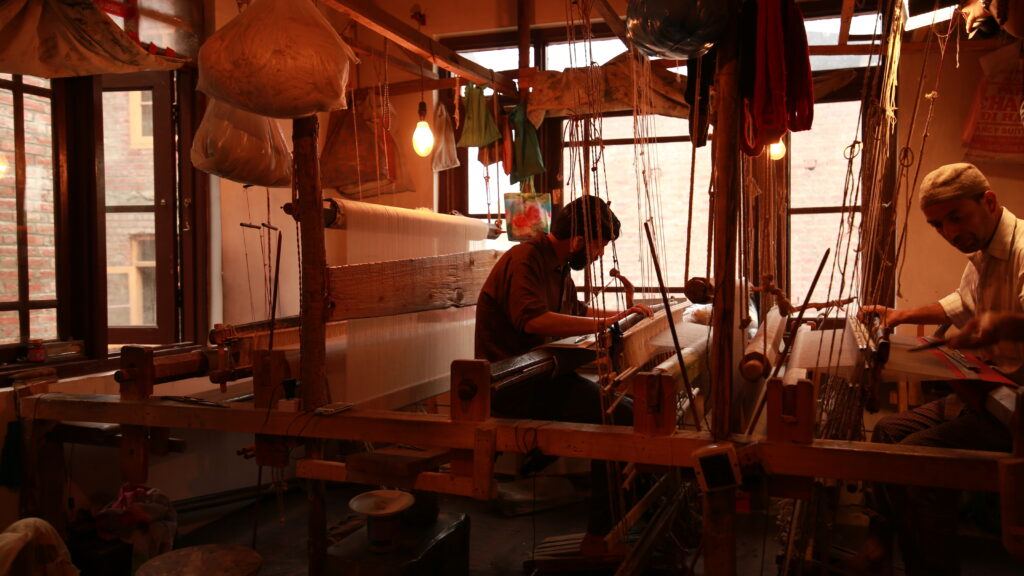
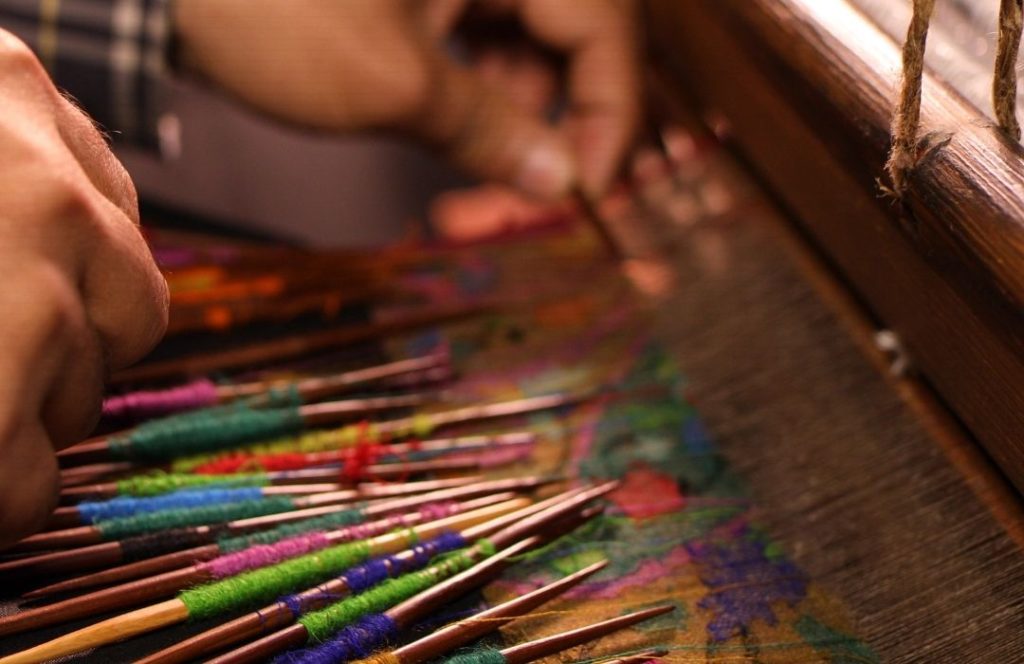
The process of skillfully transforming unprocessed fibers into opulent fabrics, which embodies both artisanal proficiency and profound cultural legacy, is the first step in creating the finest Ladakhi Cashmere. The wool from Changthangi goats is meticulously cleaned to remove contaminants after their silky undercoats are thoroughly combed and sorted. The delicate nature of the material means that the following stage entails hand-spinning the fine strands into yarn, an extremely skilled and patient process. Then, using traditional looms that have been passed down through the years, skilled artisans weave this yarn—which is prized for its smooth texture and lightweight quality—into elaborate designs.
The artistry and workmanship infused into each piece, in addition to the superior wool, is what distinguishes Ladakhi Cashmere. Due to the intricate nature of the weaving process, many craftspeople use age-old motifs and designs—such as geometric patterns, floral motifs, or paisleys—that are a reflection of the rich cultural legacy of the area. Some items have additional hand embroidered or intricate zari work added to them, turning the textiles into works of art. Every Cashmere product—shawl, scarf, or wrap—carries with it the heritage of Ladakh's high-altitude workmanship, fusing human talent with the finest fibers found in nature to create a textile of unmatched luxury and elegance.
Crafting of Cashmere Wraps
The process of making Cashmere wraps starts in the secluded, windswept hills where Cashmere goats' undercoats are picked for their softest wool. Pashm, the name for this wool, is so fine that it feels like spun air. Hand-spun gossamer threads are meticulously crafted by artisans who are deeply rooted in the customs of their forefathers. The weaver's patience is infused into every strand as the threads develop on antique looms. Wraps that seem to encapsulate the essence of lightness and warmth are the result of a delicate waltz between the natural beauty of the fiber and the expert hands that guide it.
After being spun, the wool is transformed into fabric by the weavers who add elaborate designs and traditional motifs. Geometric patterns inspire the ageless Himalayan landscapes, florals bloom in symphonies of color, and paisleys unfold like delicate vines. Whether it's a reflection of the natural world or the legacy of centuries-old artistry, every pattern conveys a story. Metallic zari threads are woven into some wraps, giving the already opulent texture a dash of glistening elegance. Every design is an expression of the weaver's creative vision, combining innovation and tradition to produce a one-of-a-kind work of art.
When the last stitches are made, the Cashmere wrap becomes more than just a clothing item—it becomes a work of wearable art. A representation of elegance and skill, the delicate, flowing fabric has intricately woven motifs. It transports the warmth of the mountains, the tales of the weavers, and the legacy of a craft that has survived for many generations when it is draped across the shoulders. A Cashmere wrap is more than simply a fashion accessory—it's a tangible link to an enduring legacy of craftsmanship and nature combined—whether it's worn as a statement piece or a cozy layer.
Sustainable Fashion and Cashmere Wraps
Cashmere wraps are changing to reflect these environmentally concerned ideals as sustainable fashion becomes an increasingly important component of the contemporary textile industry. The ethical sourcing of the wool itself is fundamental to sustainable Cashmere production. In high-altitude places such as Ladakh and Mongolia, goats' undercoats yield the finest Cashmere fibers, since these herders gather wool in an ethical and sustainable manner. These goats never suffer injury; instead, their wool is meticulously combed by hand once it sheds naturally each spring. This strategy guarantees the preservation of the natural balance of the delicate alpine habitats while also honoring the welfare of the animals.
Cashmere wraps are made with an emphasis on patient, artisanal craftsmanship, in contrast to the rapid fashion trends that are mass produced. Skilled artisans meticulously spin, dye, and weave each piece, frequently utilizing methods that have been handed down through the years. Because this procedure takes a long time, it promotes a deliberate approach to fashion that prioritizes quality over quantity. When cashmere wraps are made with longevity and classic style in mind, they become heirloom pieces that outlive fads in fashion. Purchasing these durable, high-quality wraps is a crucial step toward cutting waste and promoting moral, small-scale manufacturing.
Sustainable Cashmere wraps assist the lifestyles of artisans and herders in distant areas, which goes beyond the fibers and craftsmanship to contribute to conscious consumerism. An ethical supply chain is promoted by numerous organizations in the cashmere sector that aim to guarantee fair wages and working conditions. Furthermore, the development of Cashmere wraps is in line with the larger objectives of sustainable fashion since it prioritizes the use of environmentally friendly dyes and reduces the production process's environmental impact. This makes these wraps a sensible option for a more sustainable, ethical future in fashion in addition to providing luxury and comfort.
Contemporary Fashion and Cashmere Wraps
Cashmere wraps are elegant and versatile, and current design instincts have been combined with traditional workmanship to create a look that is all its own. Cashmere wraps are becoming more widely recognized as versatile accessories that elevate regular clothing rather than just being opulent pieces for special events. Bolder patterns, vivid color schemes, and inventive textures are being used by designers to give these classic pieces a modern, urban feel. The modern Cashmere wrap is a mainstay in contemporary wardrobes throughout the year because it can be worn with everything from classy evening ensembles to casual daywear and bold designs.
The way that Cashmere wraps are styled has also expanded due to the impact of modern fashion. They may now be worn in a variety of stylish ways, such as layered over coats, belted at the waist, or even styled like huge scarves. They are no longer just for draping over the shoulders. The Cashmere wrap's adaptability enables it to be both practical and stylish, providing warmth and coziness while incorporating a stylish touch into any ensemble. The wrap becomes a statement piece that reflects the wearer's uniqueness while keeping a sense of timeless sophistication when paired with fitted suits, sleek dresses, or even jeans and boots.
Furthermore, contemporary Cashmere wraps are the epitome of elegance and usefulness. These wraps provide a strong, long-lasting investment that goes beyond fads as fashion shifts more in the direction of sustainability and quality. Modern styles now accommodate a greater variety of aesthetics, from aggressive maximalism to minimalist elegance, making cashmere wraps suitable for a wide range of fashion preferences. The Cashmere wrap keeps evolving, staying true to its reputation as a sign of sophisticated elegance and adjusting to the ever-changing world of modern fashion, whether it's a light springtime piece or a warm winter wrap.
Elegance of wearing a Cashmere Wrap
The simple way a Cashmere wrap can dress up any outfit is what makes it so elegant. A Cashmere wrap, which is composed of the softest and finest fibers, drapes effortlessly over the shoulders and gives off an air of sophistication and luxury. Whether thrown on casually over a sweater or meticulously dressed over formal clothes, its flowing fabric and lightweight texture create a lovely silhouette. The wrap's exceptional craftsmanship and natural sheen lend an air of subdued grandeur to the wearer's appearance, making it a classic piece that goes well with everything from evening gowns to effortlessly stylish casual ensembles.
Beyond its luxurious feel, the Cashmere wrap makes a flexible fashion statement. Because of its flowing shape, it may be creatively draped, folded, and knotted, offering it a special versatility that amplifies individual expression. Whether put casually over a coat on a breezy day or worn over an evening gown for a formal event, the wrap seamlessly suits a variety of events. A single, delicate move may turn even the most basic of ensembles into a stylish one, owing to its exquisite craftsmanship and the quiet confidence it bestows upon its user.
Supreme Cashmere Wraps from Kashmir
The finest Cashmere wraps from Kashmir are weaved from the lightest breaths of Himalayan air in the valleys where the winds murmur through the ancient cedars. The warmth of a cloud's kiss and the softness of a mountain's embrace are included in each thread, a delicate poem woven from Changthangi goat fleece. These wraps are more than just cloth; they are whispers of artistic beauty, resonating with the chants of weavers who work to the beat of their ancestors' looms, as centuries of tradition are whispered through the deft weaves and elaborate patterns.
The wraps take shape like rivers of silk, flowing in different shades of dawn and dusk, while the hands of artists dance across looms. Flowers grow in threads of gold and silver, shimmering as if touched by the first light of morning; paisleys, like vines of recollection, unfold across the velvety expanse. These wraps, when draped over the shoulders, exude the grace of the Kashmiri highlands. They are a subdued luxury that speaks of the richest offerings of the soil, made with love and care.
Softening in their grasp is the world. The chilly feel of the wrap envelops the skin like a soul-sharing secret from nature, a link to the pristine highlands and the essence of artistry. With their stories of beauty woven in ultra-fine strands that give the impression of having been spun from dreams, these Kashmiri Cashmere wraps transcend beyond simple clothing.
Ways to wear Cashmere Wraps
A Cashmere Wrap represents ageless beauty and refinement and is more than just an accessory. Due to its adaptability, it may be worn as a comfortable layer when traveling, slung over the shoulders for formal events, or styled like a fashionable scarf. The flowing, smooth fabric elevates any look, making it a treasured piece for both dressy and casual collections. With equal parts coziness, warmth, and elegance, each wrap epitomizes understated luxury.
1. Pashmina wrap - The Shrug Style
The way artisan fashions his newest shawl is worth all the attention
We’ve often seen women sporting a shrug with short tops or dresses, but how about making one with your Pashmina wrap? To do so, first, get hold of an elastic band and then drape the Pashmina shawl over your shoulders. Next, tightly hold the two ends at the back together and then pull them through the band. You can accordingly adjust the band so that it isn’t visible and sits behind the shawl, giving you a cape-like look.
2. Twist and Drape Style of Pashmina wrap
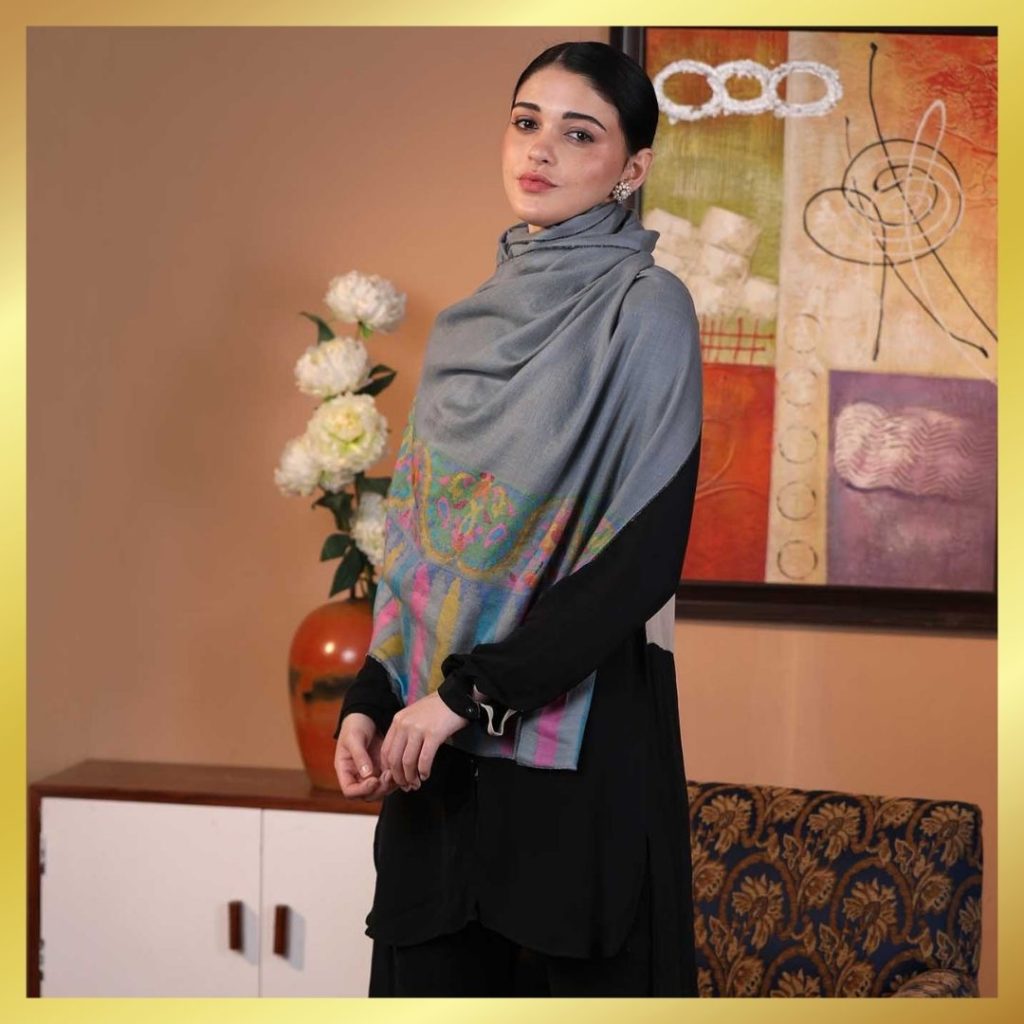
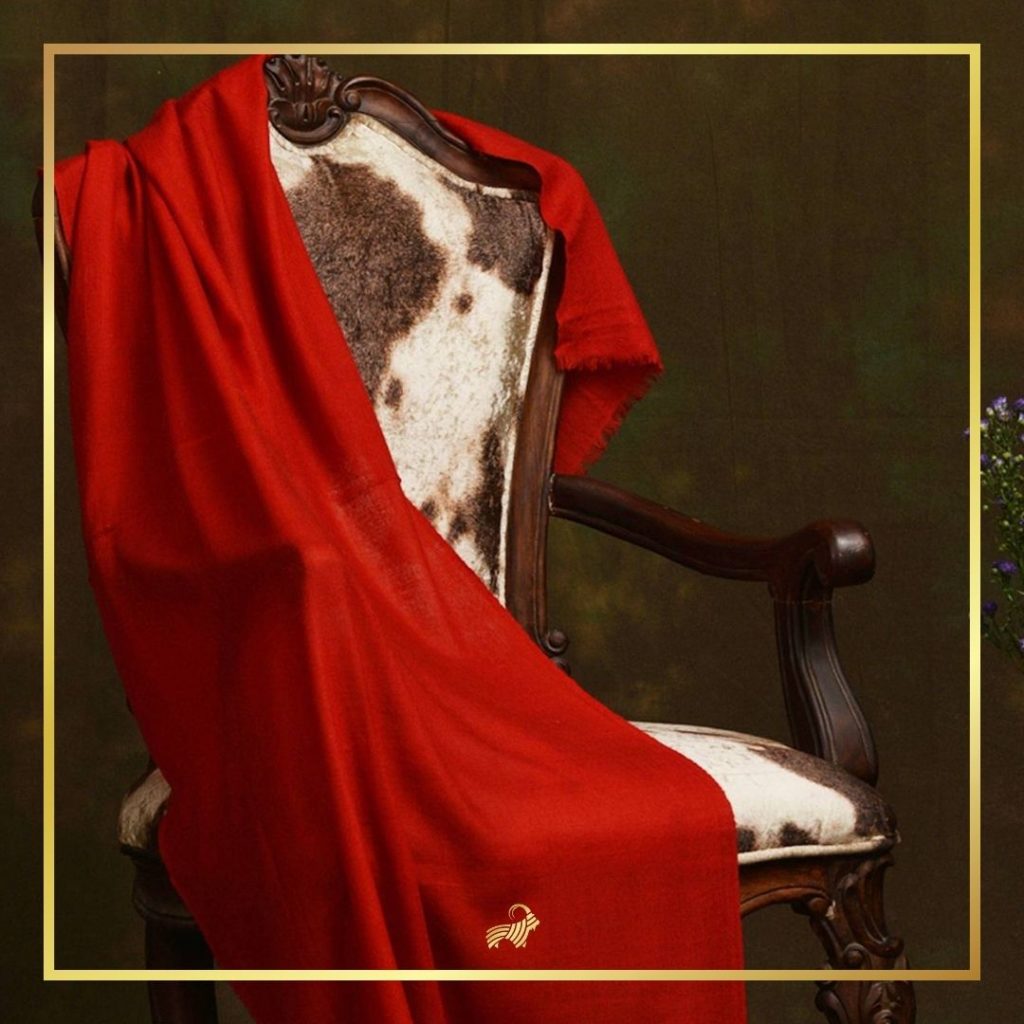
A Kashmiri Cashmere Wrap is drowned in a beautiful grey colour to make your every day more graceful and stylish
Wear the Pashmina shawl all over your shoulders and then just take one end, twist it and then drape it on a single shoulder. Take the other end that’s remaining and put it at the top of your neckline. Voila! You’ve got a stylish way to wear that Pashmina wrap.
3. The Casual Look
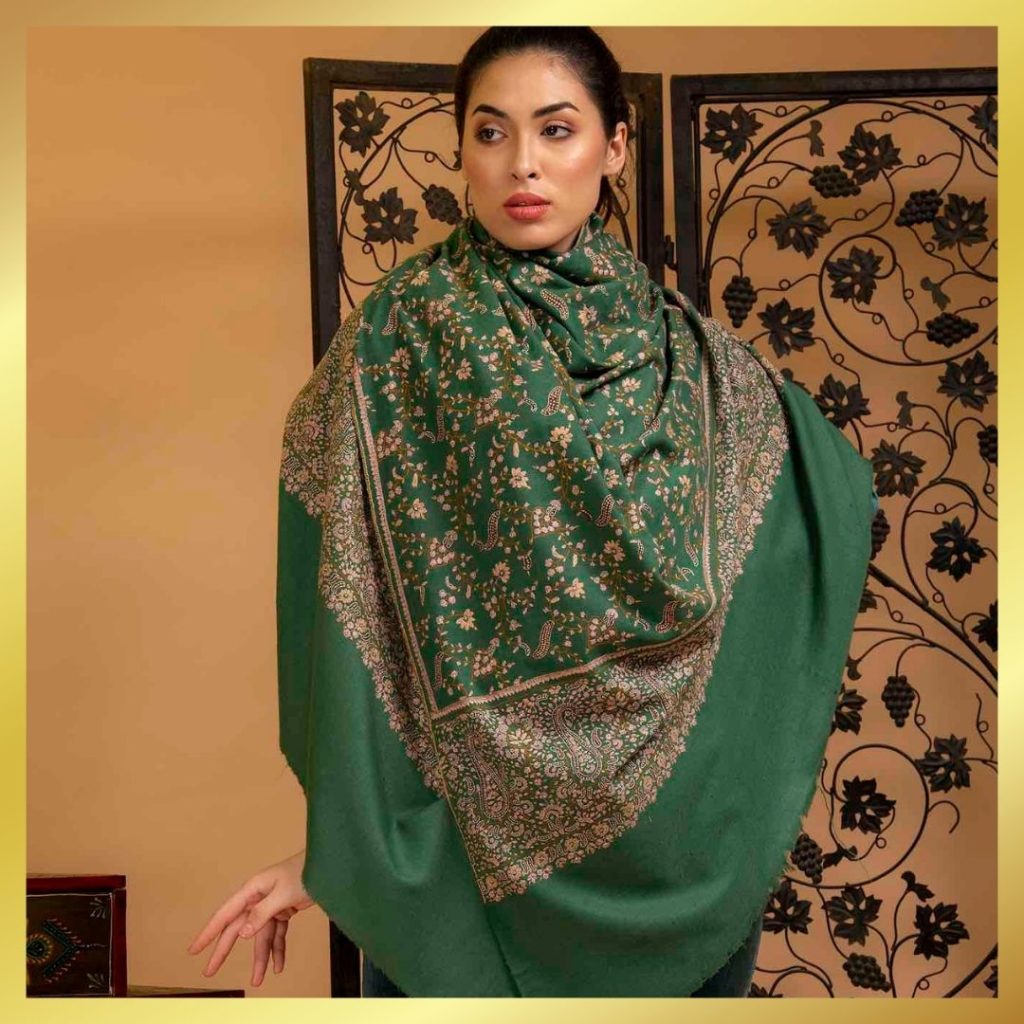
A Kashmiri Cashmere Wrap, handwoven with an unmatched fashion, is bated in shades of green for a brilliant look
Loosely wrap a coloured pashmina with a pair of jeans, when you are in the mood to make a stylish appearance but are feeling lazy to make all the effort. It is classy, comfortable and gives your outfit an edge without even trying much! It can be the perfect look for a work meeting or a lunch date, so give this one a shot!
4. Folded and Tied Pashmina wrap
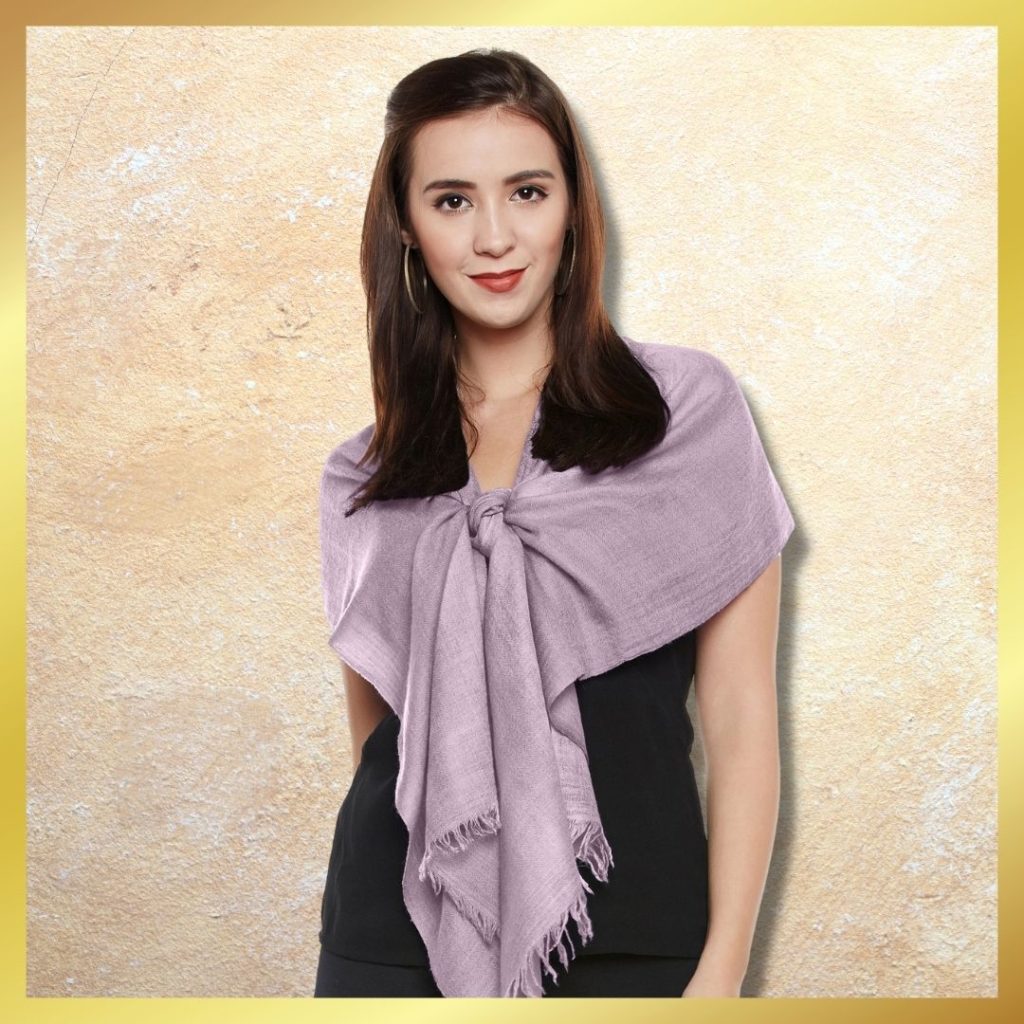
Upon draping over the shoulders, the classic diamond weave complemented by the muted pastel shade brings the shawl to life
Fold your shawl in half so it looks more like a square, then fold it diagonally. You will end up with two points at the back. Holding the two corners, wrap the shawl around your shoulders and tie it to one side. It looks elegant and can be sported both for a day and night look, depending upon your outfit. You can team it with a plain top and jeans or a casual dress if you are out for a meeting or join your friend group for lunch. In case it’s a night out, your draping style remains the same. Just make sure you wear a dressy top or that blingy dress you’ve kept aside!
5. The Stole Look
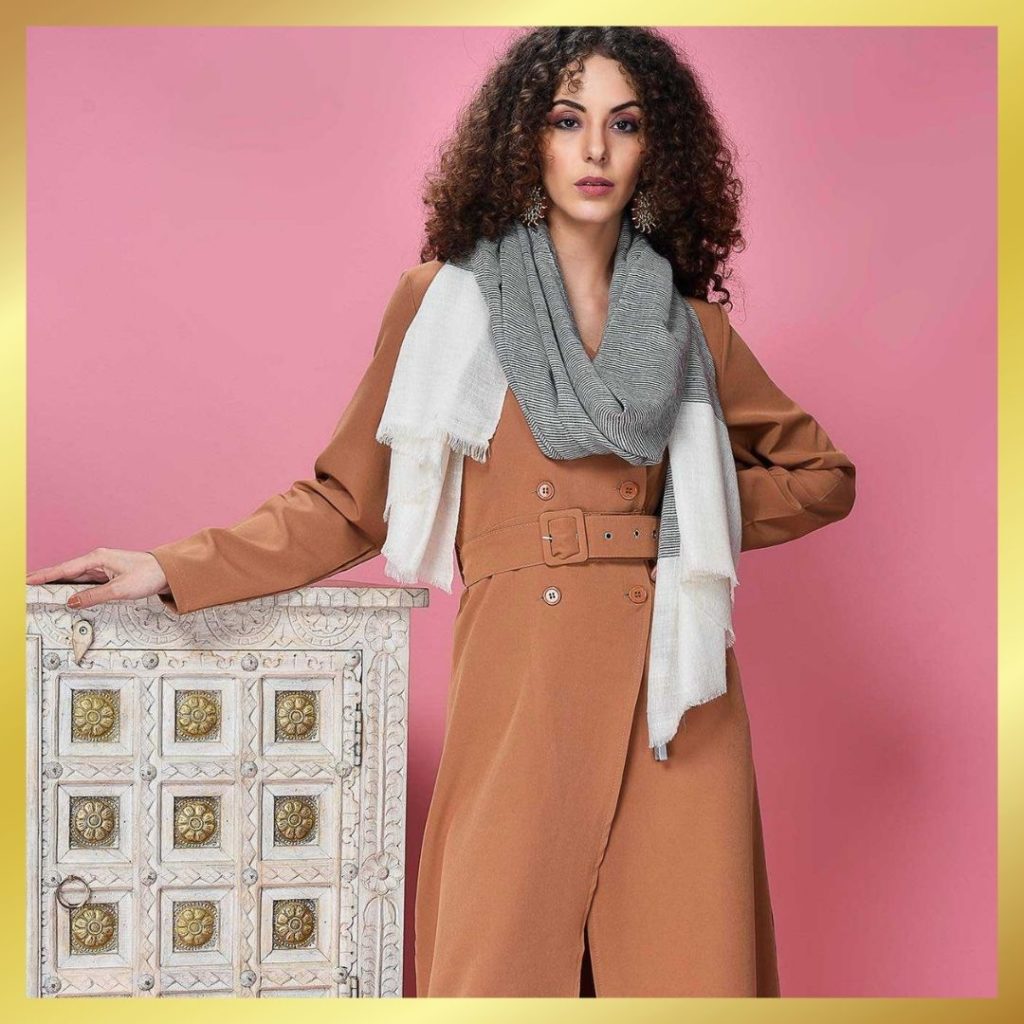
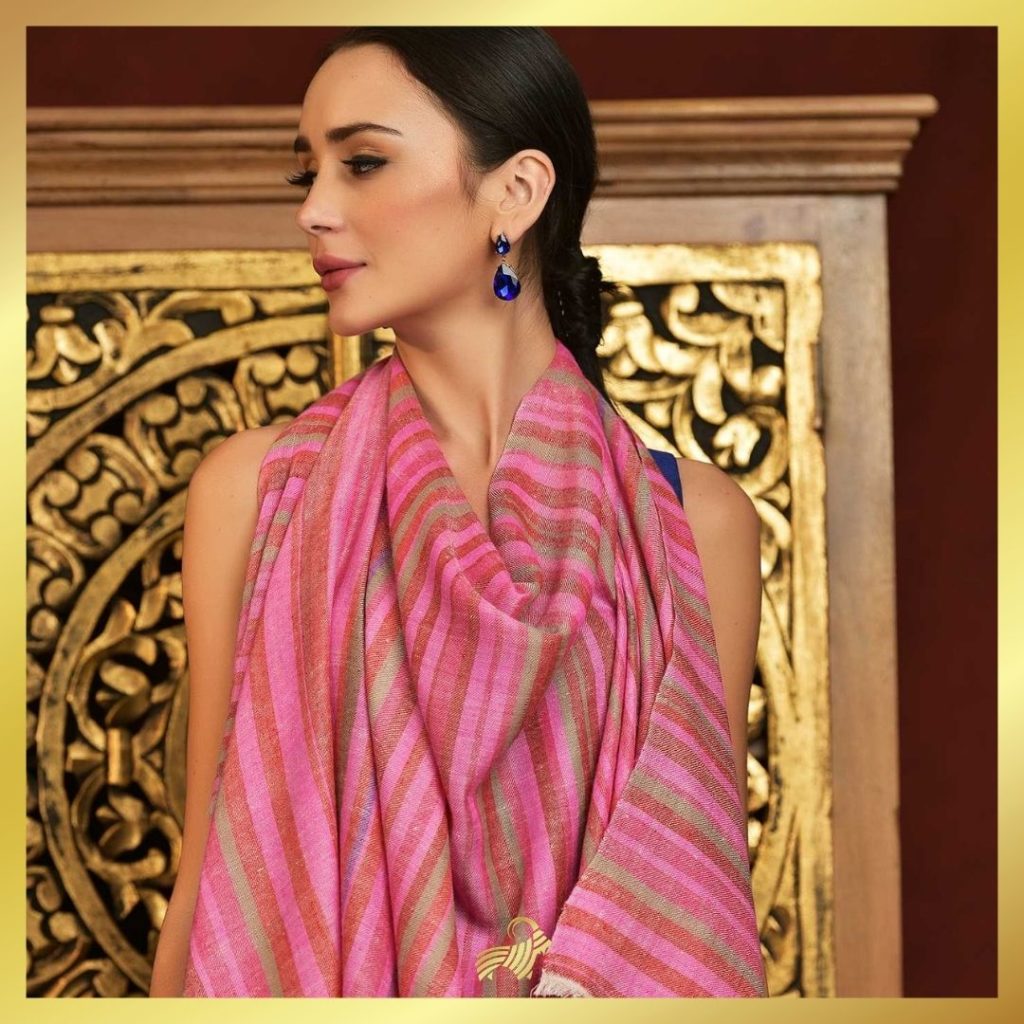
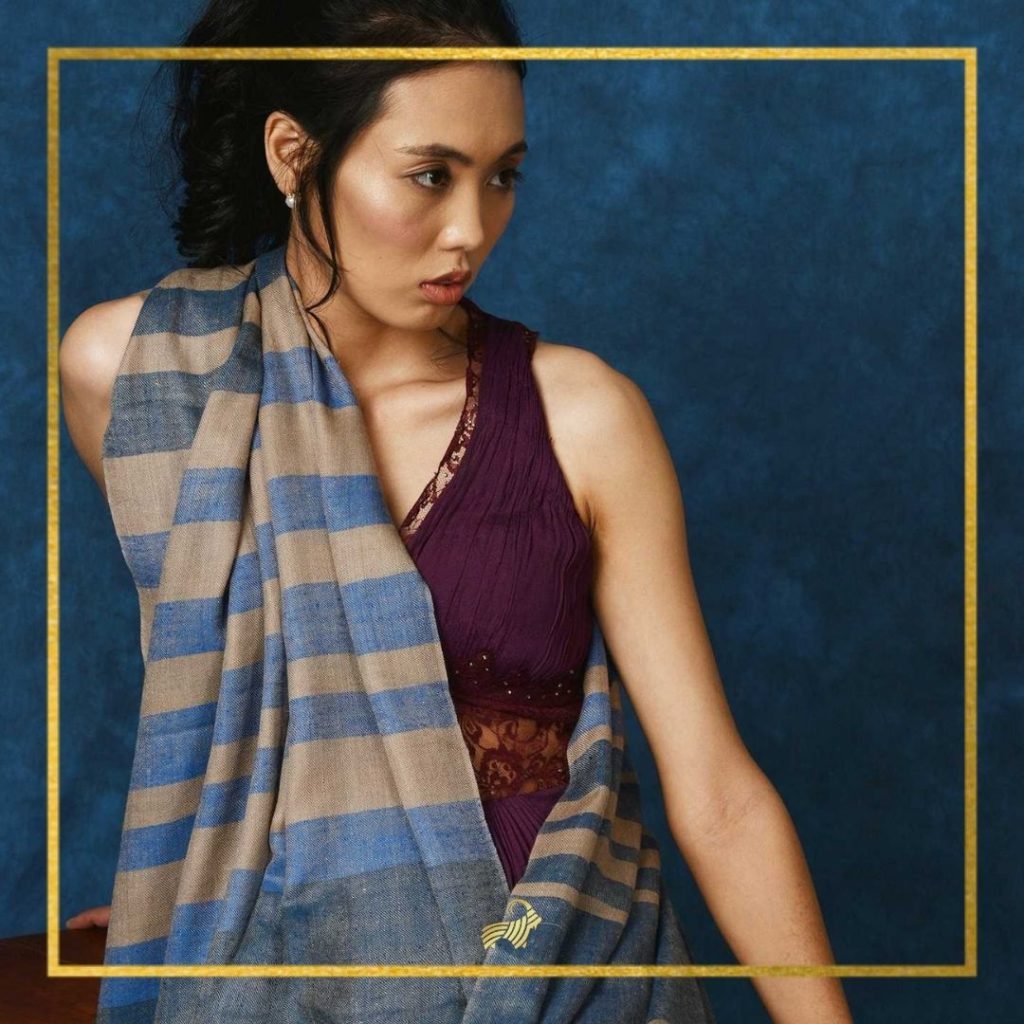
The stole is as easy as it is essential for your winter accessory wardrobe for the modish pattern of pinstripes it hosts
Whatever the celebrities wear or do becomes a rage in no time and the buzzword that seems to have taken the fashion world by storm is airport looks. It’s a recent phenomenon that the media has picked on and seems to go crazy about. Not that we are complaining, we get our style inspiration from there too. There’s a trend that seems to have caught on with the biggest socialites and celebrities, which is wearing a bright coloured pashmina wrap as a stole with a double-breasted coat in bold colours, such as black and brown. It will accentuate your look within seconds!
6. Pashmina wrap with a brooch
Daintily stand out from the crowd with this exquisite treasure, handpicked from the valley of Kashmir
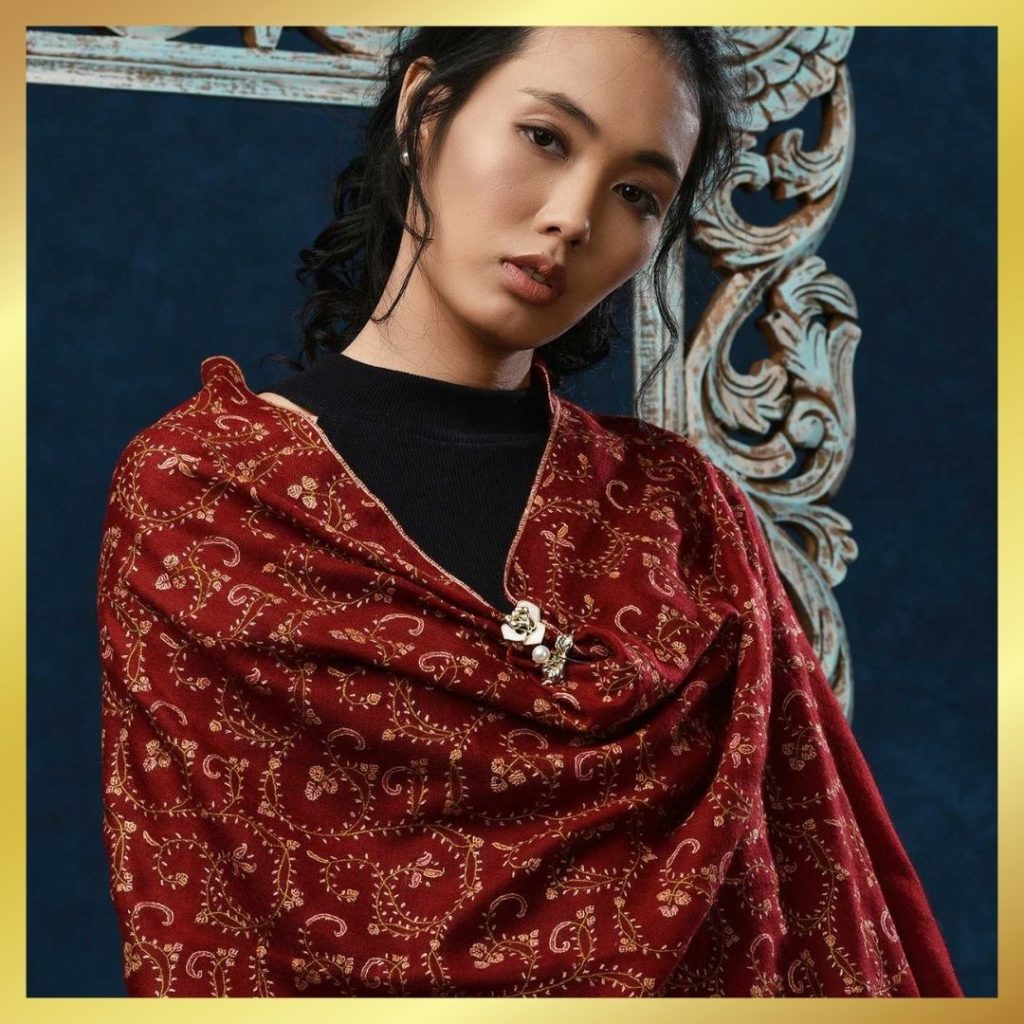
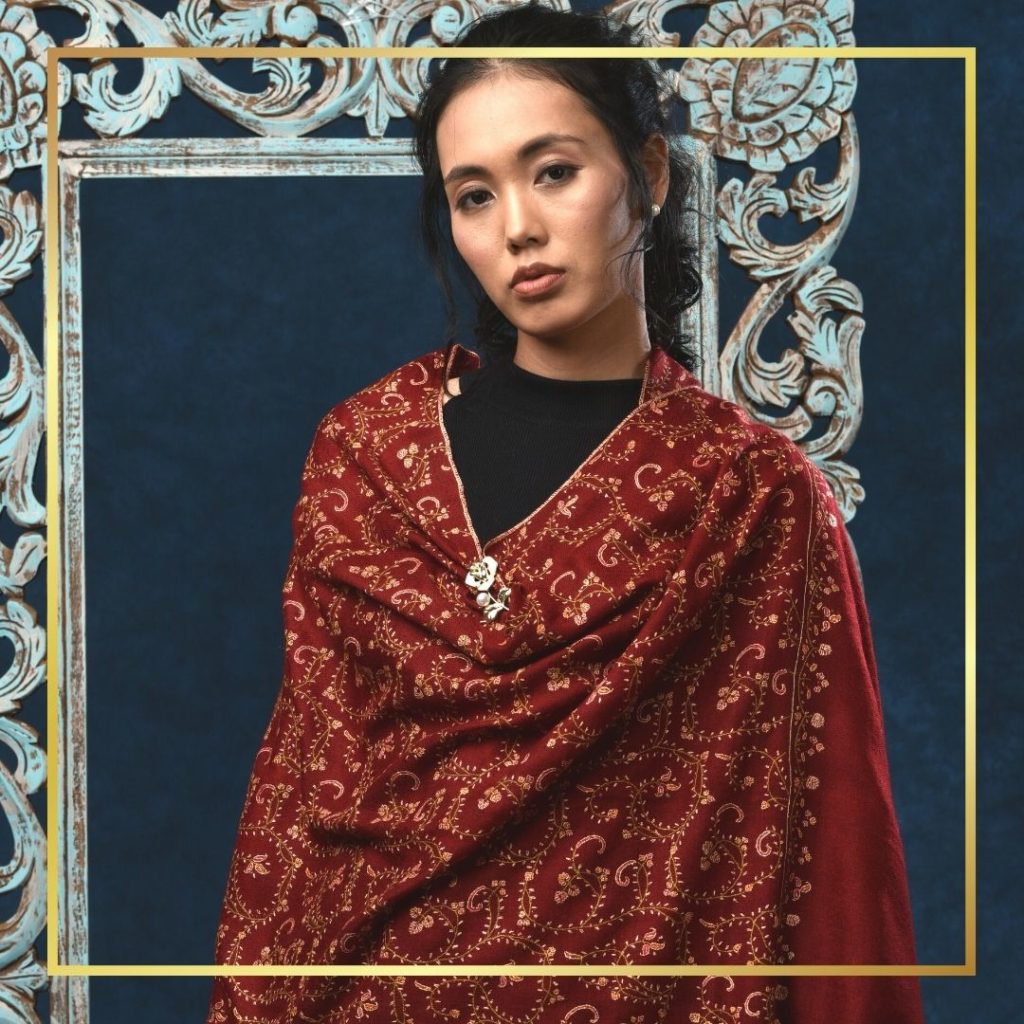
To add that bling to your outfit, get a big and glittering brooch, especially if you are setting out to a formal gathering. Take the scarf and fold it in two around your body, then pin the two parts of the wrap together on one shoulder. Try not to keep it too close to your neck for ease of movement, so that it doesn’t make you feel uncomfortable later.
7. Pashmina Shoulder Twist
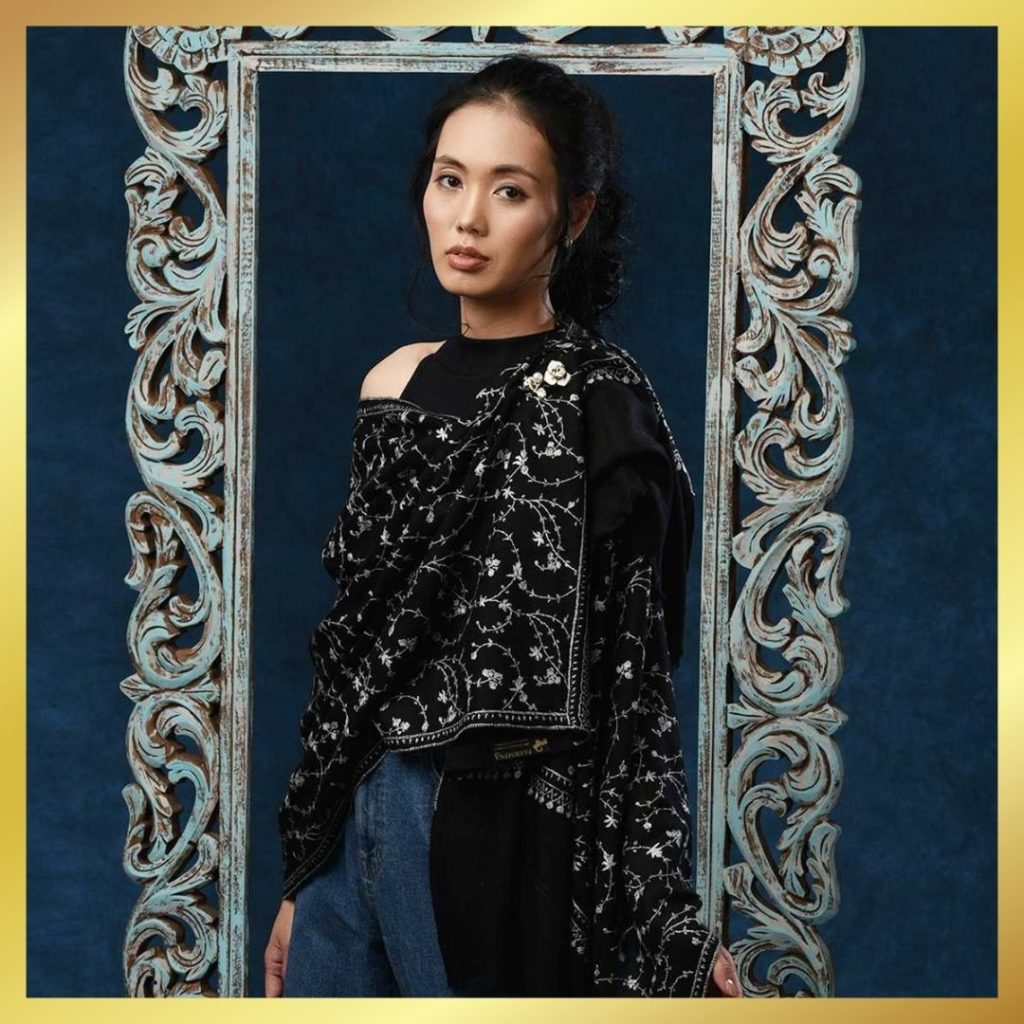
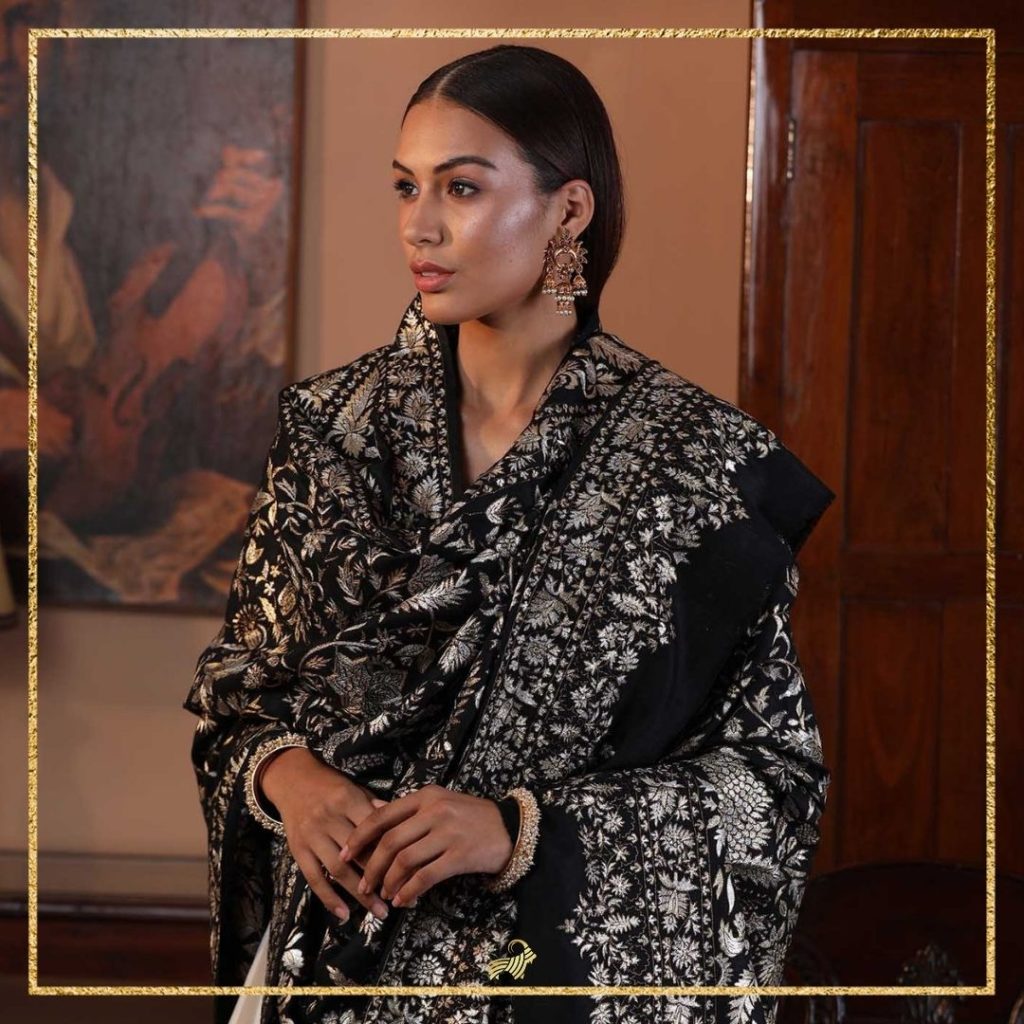
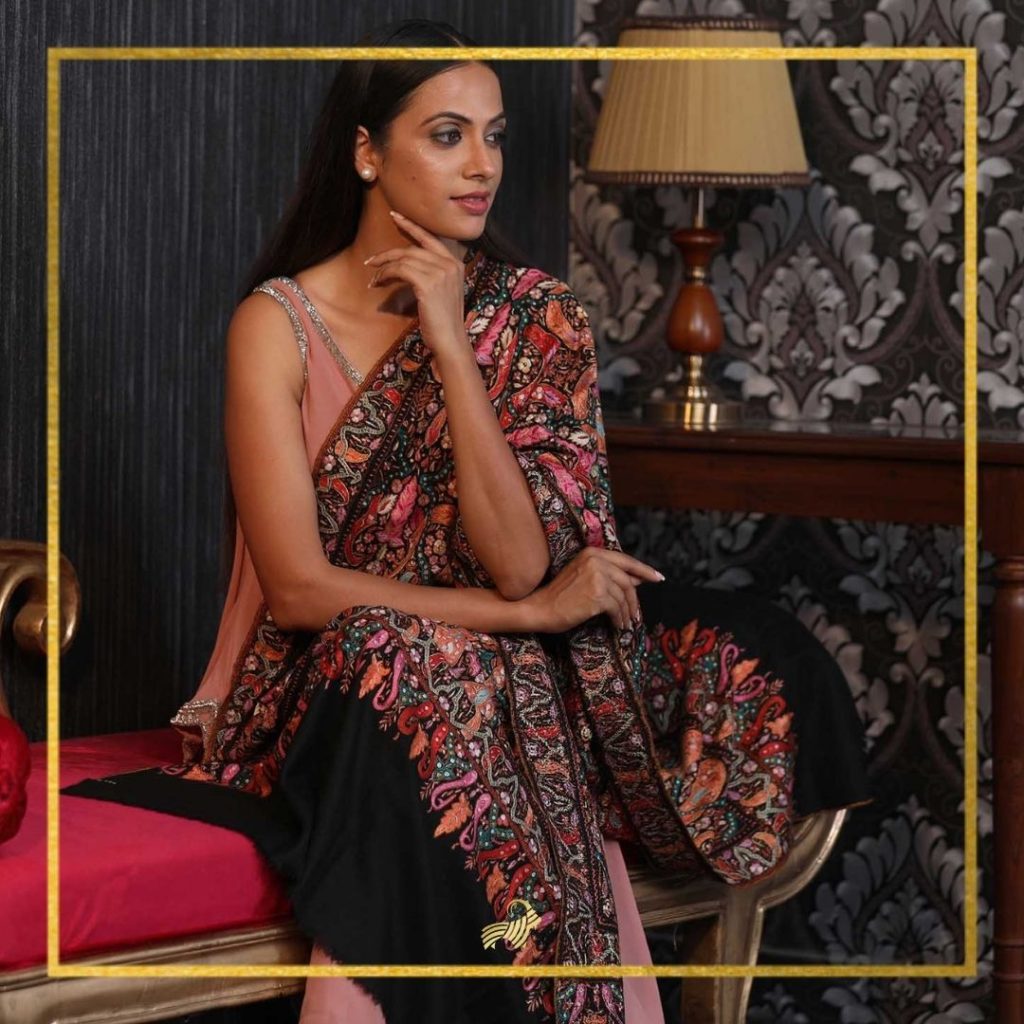
Hand-embroidered in Sozni embroidery, the artistic design and bold black colour of the wrap perfectly blend with your fall and winter apparel
Another great option is to wear your pashmina wrap with a shoulder twist. To get the look, crush your Pashmina as if you are going to wear it like a scarf. Then wrap it around your neck with the two long ends in the front. Later, tuck each end through the neck and then pull towards the side to drape the tails of the scarf across your shoulders.
We’ve given you some uber-cool tips to style your Pashmina wrap. Now, no longer go for the run-of-the-mill draping styles and make a mark by sashaying down a wedding or a party with the most stylish drapes.
Men's Cashmere Wraps
Men's cashmere wraps provide the ideal balance of style and functionality, emulating sophisticated sophistication. These wraps are a must-have accessory for the modern man since they are made from the softest Cashmere fibers and are intended to offer warmth as well as style. Whether draped over a fitted suit for a formal occasion or worn with a casual ensemble for a more laid-back vibe, Cashmere's opulent texture and natural sheen lend a touch of sophistication to every ensemble. These wraps are so adaptable that they work well for both work and a night out, adding a polished touch to any ensemble.
The intricate details and elegant designs of men's Cashmere wraps reveal the artistry behind them. Each wrap is an enduring example of style, ranging from traditional solid colors to delicate patterns and sophisticated weaves. Contemporary aesthetics are frequently combined with old techniques by artisans to create timeless and fashionable objects. In addition to being opulent, these covers have a clever design and a variety of alternatives to suit a variety of tastes and preferences. Every wrap is a sophisticated taste statement thanks to the deliberate choice of hues and patterns.
Men's Cashmere wraps are made with an emphasis on comfort and durability in addition to style. The wrap will continue to be a beloved accessory for many years to come since the fibers, which are renowned for their durability, hold their warmth and softness throughout time. These wraps blend utility and elegance, whether worn for their insulating qualities on a chilly day or just as a chic addition. Purchasing a cashmere wrap is committing to a piece of traditional design and quality, while also embracing a timeless luxury item that elevates comfort and style.
There are numerous reasons why Pashmina has lately become the number one choice of men and women, when it comes to the winter season. Owing to its immense warmth as well as being the most stylish accessory, Pashmina shawls and scarves are always preferred to its counterparts. Let us know why:
Exceptional Warmth: Pashmina is known for its unique warmth. Pashmina wool has exceptionally good insulation qualities that retain heat close to the body in its light, tiny fibres. Even in severely cold temperatures, this keeps you warm and comfortable.
Comfort and Warmth: Pashmina is exceptionally plush and soft to the touch. It feels soft and soothing against the skin, which makes it a pleasure to wear in the cold. Cashmere fibres, in contrast to other types of wool types, are fine and delicate, guaranteeing a comfortable and itch-free experience.
Lightweight and Breathable: Pashmina is remarkably light and breathable despite its warmth. It enables air circulation, minimizing overheating, and makes sure you're comfy all day long. Pashmina shawls and scarves are, therefore, perfect for layering, without feeling bulky.
Versatility: Pashmina shawls and scarves are a flexible accessory that may be worn in a number of different ways. These can be worn as a shawl across your shoulders, a scarf around your neck, or even a warm blanket. Their adaptability lets you maintain warmth while dressing for various settings and trends.
Timeless Style: Pashmina has a beautiful and timeless appeal. Any winter ensemble instantly gains a touch of sophistication from its fine texture and exquisite drape. A Pashmina shawl or scarf may enhance your style and create a fashion statement, whether you're dressing up for a formal occasion or choosing a more casual approach.
Natural, Sustainable, Responsible: Pashmina is manufactured from the undercoat of Himalayan mountain goats, notably the Changthangi breed. It is natural and sustainable. The welfare of the goats is guaranteed as the wool is obtained through a gentle combing procedure. Being a natural and renewable fibre, Pashmina is a sustainable option for winter clothing.
An treasure-worthy, Investment Piece: Because of its exceptional quality and durability, Pashmina is sometimes regarded as an investment piece. A well-made Pashmina item can last for years with the right maintenance, giving warmth and style season after season. You can always wear it as part of your winter wardrobe.
How to Wrap a Shawl: Wrapping Pashmina Shawls and Wraps is one of the easiest things to do. Simply let the fashion diva inside you create her own styles and make you feel on top of the world. Wearing a shawl with such a rich cultural legacy will definitely make your look the best version of yourself.
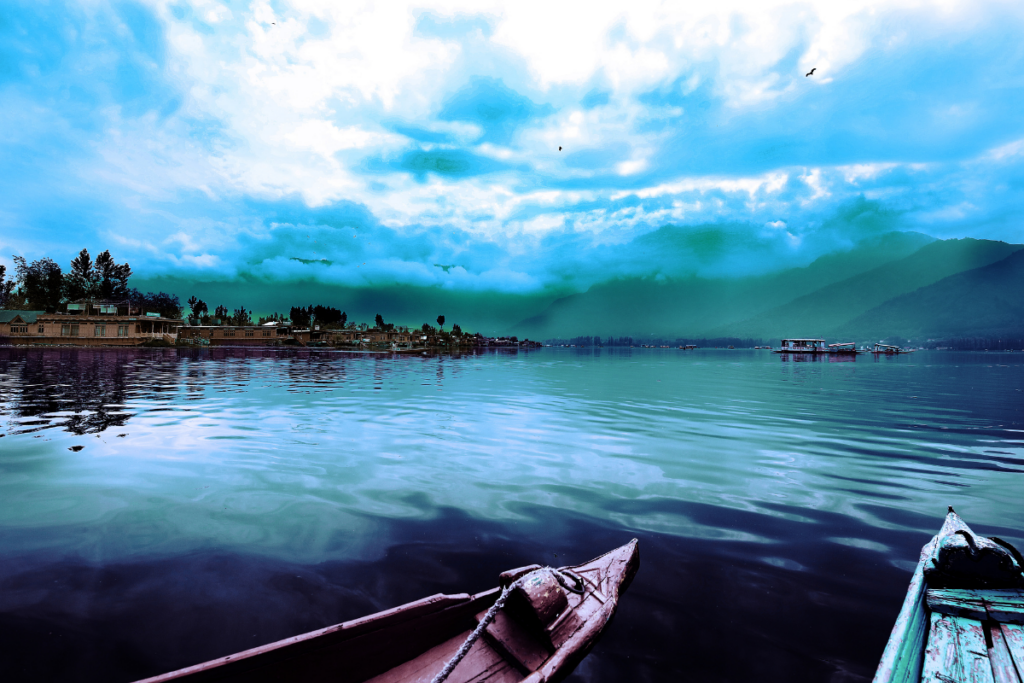
Looking from the meadows of creation, the appearance scatters the glory around. There are so many aspects in nature that enthrall the virtue of being sacred. A world full of liveliness and beauty, a valley cherished by nature itself bestows upon the enchantment of serenity. Kashmir, a valley in the north of India unravels the heaven on earth. The acquaintances with the flowers, mountains, sky, and nature flow in the rivers of the valley. Kashmir valley confers to revere Pashmina as the craft of heritage. The exquisite craft defines the boundaries of no limit in the sphere of creativity and luxury.
Folklore of the Paradise of Kashmir
The word Kashmir was derived from the ancient Sanskrit language word and was referred to as kasmira. There are prescribed several etymologies in the origin of the valley itself. A famous and fine etymology derives the origin from the name of the Vedic sage Kashyapa who is believed to have settled people in this land. Accordingly, Kashmir would be from either kashyapa-mir (Kashyapa's Lake) or kashyapa-meru (Kashyapa's Mountain). In addition, geologists have described that Kashmir valley was a lake initially. Therefore, the lake drained through the gap of Baramulla, presently a district of Kashmir. The etymology is given proof by the description of Nilamata. It describes the valley originating from a lake called Sati-saras.
The valley of Kashmir
Kashmir, a paradise filled with histories and sagas of previous folklores, described to be the most unique in its presentation of nature is marvelous. Even in times of crisis, beauty invades into the soul leaving behind all the despair. Therefore, the valley witnessed the long history of itself and its culture. The heritage of the valley identifies several Art and Craft divinities. Consequently, the revival of the folks in the creation of handicrafts is explicit.
Chronicle of Pashmina Craft in the lap of Kashmir
History depicts the arrival of Cashmere and then Pashmina in the most natural way. Cashmere has been in the world since the 13th century in the region of Kashmir valley. The Cashmere word, coined by the Europeans was due to the abundance of the finest Cashmere wool in the valley of Kashmir from where Pashmina found its path.
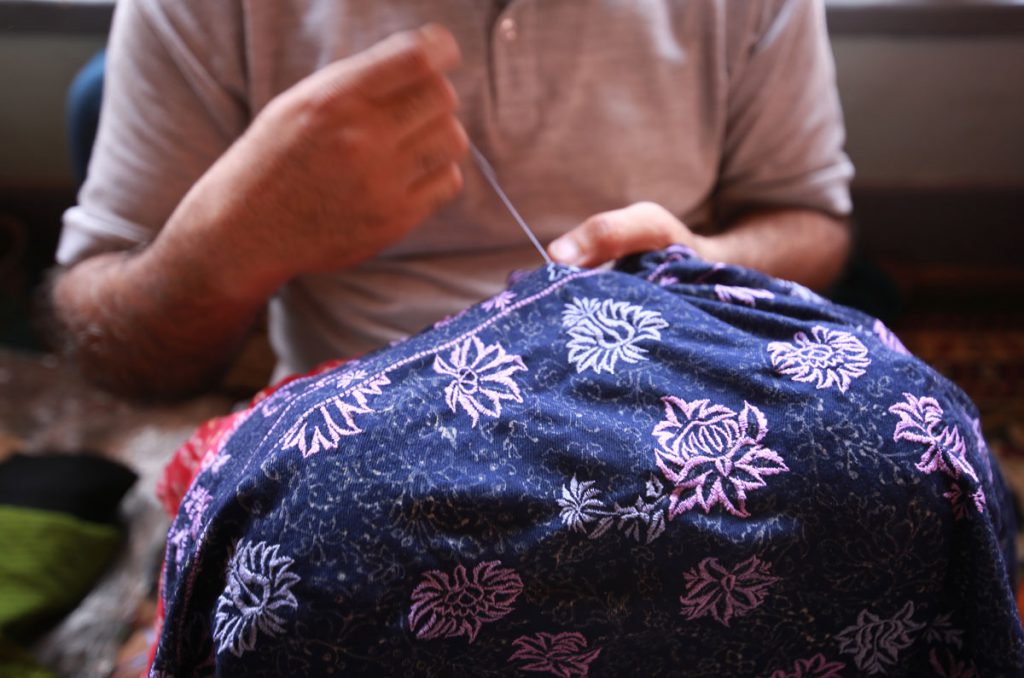
Handcrafting Pashmina by the artisan
The history dates back to the 15th century in the Kashmir Valley of India. The presence of a saint Mir Syed Ali Hamdani from the middle east came to Kashmir with 700 craftsmen to adorn the beauty of the valley and to spread the holy message. The saint landed its appearance in the Changthang Mountain in Ladakh. While perceiving nature, he locked his eyes on the goat of marvelous wool. Astonished by the softness and fineness of the wool, he made socks out of it and gifted them to the Sultan Zain-ul-Abideen of Kashmir Valley. By the beauty of Pashmina wool, suggested making an industry that cultivates the Pashmina wool in desirable styles. Even the name Pashmina, derived from the Persian word, pashm, meaning "the soft gold" is exquisite in being and depicts the heritage full of uniqueness.
Therefore, Cashmere, from the fleece of rare nomadic breed of goats. The breed is found between Mongolia, China, Iran, Tibet, Northern India, and Afghanistan. The finest among all, obtained in the Ladakh region of India is Himalayan cashmere. From there, the Cashmere, cleaned, dried, and soaked to form the fine fleece is pure. The finest fleece travels to paradise for proper supplication in creativity. Afterward, the unique designs and styles prescribed on the finest Pashmina are explicit. Herein, the role of artisans of the heavenly valley takes place. The lullaby of skill soothes over the Pashmina craft with exquisite patterns, weaves, and embroideries.
Pashmina Craft - Tangled with the Heritage of Kashmir
Kashmir, alone where Pashmina craft endeavours. From Ladakh to Kashmir, the craft of Pashmina endures the creativity within. An ancient craft perfected over the centuries is also divine. After the diligent picking, the process moves forward. Spinning, done by hand on the traditional charkha wheel known as yinder is exquisite. A highly skilled job to spin the fibre into a glorified fine yarn is meticulous. Mostly done by the women of Kashmir having the traditional skill of spinning the incredibly fine yarn. Therefore, done manually. Thus women play a very important role in spinning the yarn for weaving. It is a highly creative skill that exists only in Kashmir.
Afterward, the yarn has loomed on the traditional wooden handloom for the next serene process of weaving. Kashmir handloom endeavors to sustain and infuse a modern soul into the woven, patterned, and embroidered Pashmina Shawls. The heritage confers to the skill of artisans as well as to the cleaners, dyers, and all other workers in the craft. The symphony of the craft entwines the culture presenting marvelous masterpieces. The opulence and glory cater to all the styles curated only in the lap of the Kashmir valley.
From the cradle of Paradise
Handcrafted impeccably out of pure Cashmere, the shawl is hand embroidered in Zari Kari which showcases India's proud possession of heritage architecture
We, at Pashmina.com, endorse the handcrafted Pashmina Shawls in unique varieties. Taken directly from the only lap of Pashmina craft, we confer to the purity and fineness with sustainability. Thus, the heritage, revived and preserved in every masterpiece is explicit. Moreover, defining the skill of artisans and the designs by the designers, we delicately cater all the styles over to the world. Also, taking the wearers towards the most authentic handcrafted Pashmina. The creation cherishes every dimension of opulence in the most meticulous way.
Scarves (Pashmina or other types) can always be the best thing to glam you up if your outfit is not enough to do so. It can even calm your looks, if you ever get overdressed for a not-so-demanding event. Pastel usually does this, while brighter shades enliven even the most basic and plain-looking apparel. And when wraps and scarves help us in so many ways, why not put it to more work.
Is Pashmina the same?
The finest Cashmere wool is sourced from Ladakh and processed for months together to make Pashmina shawls. These shawls are extremely fine and gentle, and exceptionally beautiful. Pashmina shawls can bring life to even the most minimalistic look, and make the wearer a star in no time. Like it has been the first choice of royalty in ancient times, it is the same for celebrities nowadays. But owing to its delicate nature, we never believed that a Pashmina wrap could be styled in different ways. But surprisingly, it did.
The Versatile Wrap
In the 16th century, when it was first discovered in Kashmir, Pashmina would either be plain or embroidered. Then came the Kani shawl which fascinated royalty more than the commoners. Pashmina shawls were then considered a valuable treasure, and as such were given as gifts by kings to each other.
As times changed, the younger generation never liked to carry huge Kani shawls or heavy embroidered Jamawar Pashmina shawls, and hence their demand decreased. Pashmina makers thought of getting their hardworking pieces adapted to the new demand. Hence came wraps with animal prints, stripes, checks, laces, and more. This made Pashmina a versatile accessory, and women started experimenting more and more with it.
For the women, who own just one or two Pashmina shawls, and cannot flaunt many styles, we have a list of different styles for them to check out. Gone are the days when Pashmina shawls were worn only over the shoulders. Now they can be styled in so many ways.
Ways to style a Pashmina
Wear the Pashmina scarf like a tie. Bring both ends to the front and tie a large knot in the front. This style can be worn to formal meetings
Another way is to drape the pashmina scarf over your shoulders and allow it to fall into the crease of your elbows. This is simply effortless
Place the pashmina scarf around your shoulders. Place one end over the opposite shoulder and allow it to fall down the back of your body
If your shawl is heavily embroidered or Kani, drape it down one shoulder or wrap your body into its regal essence. These shawls are art pieces and deserve more attention.
Plain pashmina scarves can be placed around the neck in rounds so that no end is visible. This can be done when you are wearing a suit.
Daintily stand out from the crowd with this exquisite treasure, handpicked from the valley of Kashmir
Experimenting has reached a level, where a Pashmina scarf is combined with fancy brooches, to make a look more powerful and feminine.
Considering the weight of the brooch is important with respect to the weight of your scarf. Cashmere is delicate. Hence a fine and delicate pin or brooch will work better than heavy ones, which would weigh the scarf down.
The idea of pinning your Pashmina scarf is to help secure it and keep it from coming undone. It's not just securing the scarf with clothes that we need brooches for.
Let us look at some styles of wearing brooch with a scarf
How to Wear Brooch with a scarf
For a no-effort look, simply wrap the scarf twice around your neck and pin the ends together with a fancy brooch.
Another way is to place one-third of the shawl over the front of one of your shoulders, wrap the middle of the shawl behind you and to the front, then place the last part up behind the first placement and pin a brooch at the top of the shoulder where you placed the first part.
Fold the shawl to make it a square shape. Now place the square crosswise and bring two ends to the front. Pin the bottom corners together. Then bunch the stole up onto your shoulders if you want, but you can leave it unbundled too.
Make a cape out of your shawl. Fold the shawl in half lengthwise. Wrap it around your back. Finally, bring the ends around to the front, and pin the top 2 corners together with a stylish brooch.
One more effortless style is to gather the shawl together to create a long tube. Place the middle of this tube-like scarf behind your neck. Pin the shawl together at the center of your chest.
There are plenty of styles that you yourself can invent. Sometimes you might want to hide something in your dress, and the best thing would be to pin the scarf at the same point. Be classy, be bold and be confident. Style your Pashmina, however, your sophisticated fashion sense commands you to.
The diversity in the world has made every human different from others. There are diverse preferences in each sphere of life. Nature mingles with the world of fashion through Art. Therefore, to confer all the humans in one perspective. The exclusiveness with diversity remains evident in the Art of Pashmina. Cherishing each detail in every collection of Pashmina Art gives a sense of opulence. Pashmina Art has bestowed upon us the crafting of the finest Cashmere. Cashmere is wool taken from Goats from all around the world. The finest being the Ladakhi Cashmere. The versatility in the creation of Cashmere prefers to the arr of Pashmina. The rich and premium adornment of every style creates a sense of opulence. The world of Fashion deserves a glimpse of Pashmina Art. The western world looks upon the exquisite Pashmina through the eyes of glory.
The dawn of Pashmina Art
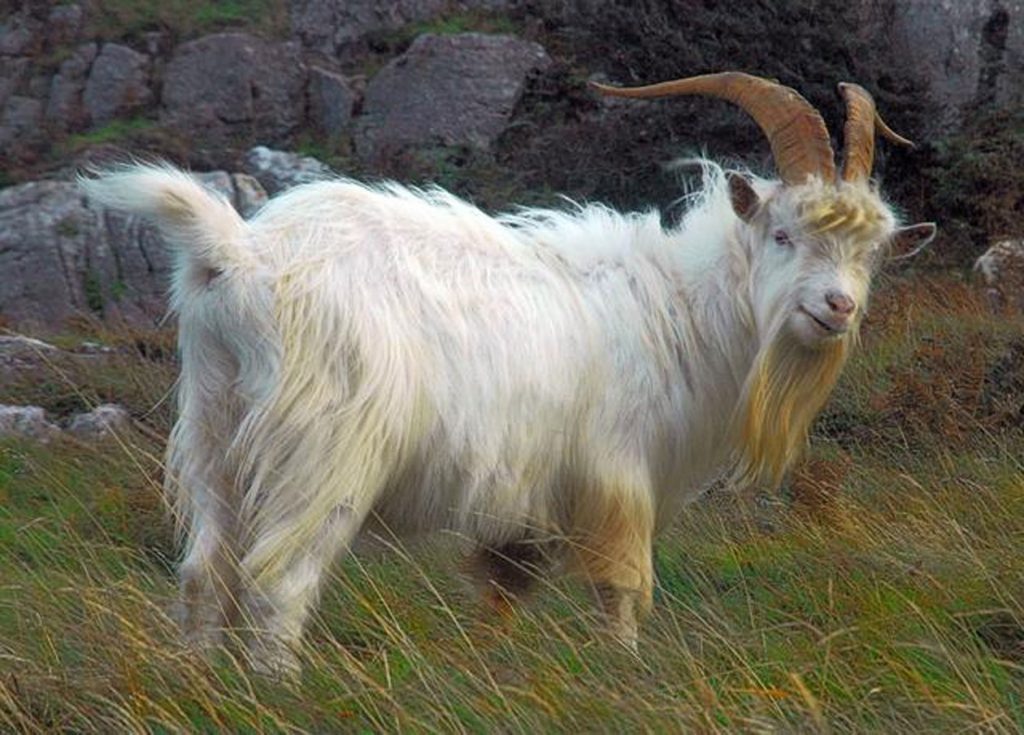
Pashmina Art caters to the finest Cashmere from around the world. It is the Ladakhi Cashmere. Changthanghi plateaux is the high altitude region surfacing on one of its sides in the Ladakh region of India. The goats of the region, called the Changra Goats because they are of the Changra breed. Worldwide, there are several other breeds of Cashmere giving Goats. But the finest Cashmere, procured the Changra Goats is premium. They are also called Kashmir goats. They survive the harsh cold weather of Changthanghi that plunges to more than -20° C. These goats are of the rare breed with medium bodies and large twisted horns. Also, ainly raised for Cashmere production and meat production.
Changra goats in Ladakh
The Changra goats develop thick, soft wool in the winter season to attain warmth. Thus, herded by the Changpa tribe of the region. On coming to summers, the goats naturally shed off the thick wool with rocks and trees around. In addition, the Changpa herders manually comb out the soft wool. Soft wool is the finest cashmere wool. The tufts of wool after combing out are packed in small packets. Therefore transferred to the valley of Kashmir where the Art of Pashmina belongs.
Spinning and Weaving- In the valley of Kashmir
The tufts of Cashmere are cleaned and soaked in the valley. Thereupon, dried to make them fuller. Afterward, the Cashmere wool is spun on the wooden wheel called yinder in the local language. The spinning process is mostly the skill of women folk of the valley. Men also take part. The spinning process takes place mostly in the houses where women spun the yarn and do the daily house chores at the same time. The skill of women is evident in every yarn of Cashmere. The yarn, taken to the local factories is finest. The menfolk move the miraculous yarn to the next meticulous step.
Weaving Pashmina
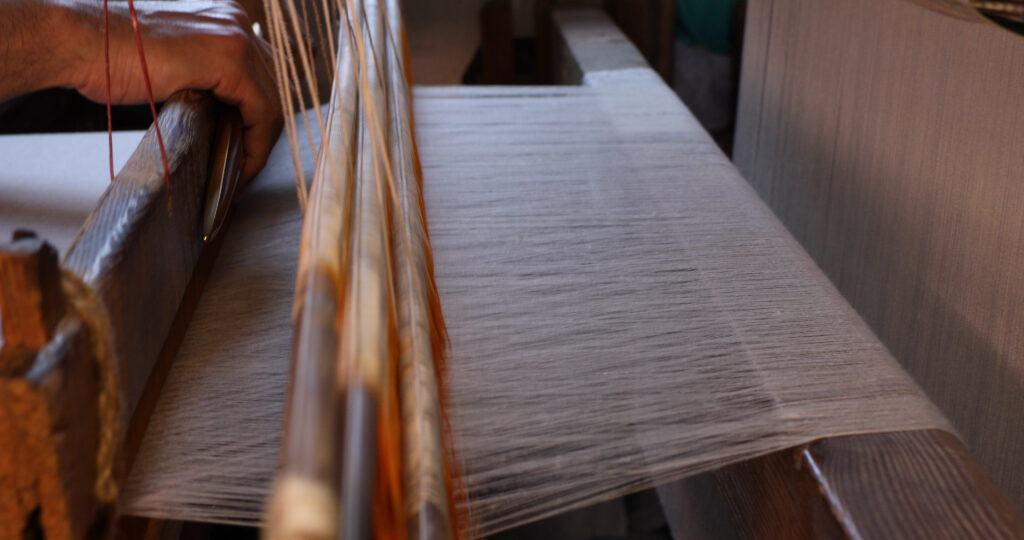
The yarn, woven diligently on the handloom made of forest wood is finest.The handlooms are intricately designed so that the weaves and inter-weaves are well defined. The meticulous weaving with the skill of artisans, predefined by the winds of Kashmir valley is intricate. The designs, patterns take the motifs and indulge in every inch of Cashmere. Cashmere takes different styles and patterns to exist in the world of fashion.
There is a wide range of collections in Pashmina Art. From Cashmere Scarves, Cashmere Wraps to Pashmina Shawls, the serene art unfolds the uniqueness of the luxurious fashion. Diverse styles include the exclusive Cashmere Scarves, Cashmere Wraps and Pashmina Shawls. The essence and the functionality of each style confer to the wearer in their appearance. Also, the contemporary styles cherish the presence of every wearer by gleaming the name of elegance. In addition, Cashmere scarves confer to the premium fashion of high quality in creation. The trends around the world confer to the Cashmere scarves as the opulence scatters to all horizons of fashion. The fashion world brings several virtues to present quality opulence. Thus, defining the integrity of fashion vividly.
Cashmere Wraps deliver words of exclusiveness and elegance. They are profuse in the luxury of premium creation with high-quality Ladakhi Cashmere. In addition, the opulence of the high-quality Cashmere, preferred by all the exquisite styles of fashion is premium. Also, Cashmere Wraps caters to both men and women. From the contemporary style to the royalty, Cashmere Wraps have proved their essence among all generations. Diligently woven in the nature of Kashmir valley, with the motifs and patterns of heritage, Cashmere wraps confer premium quality Luxurious fashion.
Over the rich black base, strong contrasting Zari Kari extends to every corner, and comes to life is simply a treasure to be revered and cherished for an entire lifetime
The world-class Pashmina Shawls have got a variety of designs and patterns. The luxurious creation of Pashmina Shawls confers to the intricacy and traditional handicrafts of the valley of Kashmir. With opulence on each edge of the Shawl, the styles harmonize the ways of luxury. In addition, the mesmerizing designs and patterns cater to all generations of all genders. Pashmina Shawls for men confer to the fashion of all the menfolk. Thus, providing the world with the confidence of luxury. Likewise, the womenfolk cherish every masterpiece with their presence in beauty and vogue. The diverse styles in Pashmina Shawls well define the premium art of Pashmina.
Surround the shoulders with exquisite collection
We, at pashmina.com, gather the whole fineness of Cashmere from the goats of Changra. Thereby, creating different styles and accessories from the finest Cashmere by the art of Pashmina. Also, every single procedure of Art happens in the valley itself in order to revive and preserve nature. Hence, ethically produced by Pashmina Art with the support of artisans of the valley. The livelihood of artisans supported to the peak is evident. Also, the Pashmina Art is revived in its whole integrity. Among all the fashion styles, the exquisite collection of hand-crafted Cashmere Wraps, Cashmere Scarves, and Pashmina Shawls are premium. From the meticulous processes to the end, the luxury speaks the word of Pashmina in a louder tone.
Growing in the world of handicrafts, one is aware of the exclusive fabrics around the world. Cashmere, an extraordinary fibre of premium fineness is one of a kind. There are several breeds from all around the world. All the breeds produce Cashmere. The involvement of skill leads to distinctly divine styles like wraps and scarves. By the grace of nature, Cashmere explores the uniqueness in designs and styles. The intricacy in each Cashmere masterpiece bestows upon the wearer a shroud of luxury in the most fashionable way.
From each style of elegance to every design of prominence, Cashmere cherishes the heritage. It well defines every norm of exclusive fashion. Directly confers to the unique opulence. From the previous eras to the contemporary age, Cashmere defines beatitude in the most glamorous ways. The several styles and designs in the sphere of Cashmere bring an unending glimpse of glamour.
Cashmere- Whirls under the mountain in Ladakh
Cashmere is obtained from numerous breeds of goats from around the world. It confers mostly to the countries like Mongolia, Iran, Tibet, Nepal, etc. It is the fine wool taken from the undercoat of Goats of distinct breeds. Cashmere, from the undercoat of the Changra breed of goats in the Ladakh region of India, is the finest. The goats of the rare fine wool are quite brilliant in shedding their wool in the times of summer. These Changra goats are found in the feet of Changthanghi mountain of Ladakh. The area is highly cold in winters due to which the goats cover up their bodies with fine pelage. Therefore, Cashmere wool helps them to sustain lives in harsh winters.
Changra goat in Ladakh
Hence, when seasons move ahead, the harshness turns into the sunshine in the summertime. The goats shed off the wool with the help of coarse rocks and trees. Although, the herders of the Changra breed from the Changpa breed manually pluck out or comb the Cashmere wool diligently. Thus, the fleece obtained is pure. The fleece grows toward the steps ahead for the curation of high-quality Pashmina.
The fleece captures the glaze of yarn by the process of spinning. Mostly, done by the womenfolk of the families. The highly skilled women spin the yarn on the yinder, a wheel. Therefore, the finest yarn is diligently picked and moved forward for the process of manual weaving. The weaving commences as soon as the glorified yarn comes to the handloom. The artisans of vivid skill weave meticulously. Thus, the elegance of Cashmere comes into graceful existence.
In the history of Cashmere
Cashmere has been in the world since the 13th century in the region of Kashmir valley. It dates back to the old era when there was a huge exploration of art, religion around the world. In the 15th century, a saint Mir Syed Ali Shah Hamdani came to the valley of Kashmir. He was accompanied by 700 craftsmen. He travelled to propagate the holy message. Exploring several regions of Kashmir and outskirts of the Kashmir, he came across diverse cultures. While his journey at the Changhthangi of Ladakh, he came to view a rare quality breed of Goats. Astonished with the finest wool, he made socks out of it and gifted them to the ruler of Kashmir, Zain-ul-Abideen. Thereby, the craftsmen created several designs out of it. Thus, making the culture-rich.
The Middle East confers to the fascination of Cashmere from the beginning. Hence until the 19th century, the fine Cashmere wool was used by the Iranian rulers for several gatherings. In addition, in the 18th century, the glaze captured the Europeans. Thus, they started to import it to their countries especially Scotland and France. Therefore, the Cashmere word, coined by the Europeans was due to the abundance of the finest Cashmere wool in Kashmir. Thus, the resemblance in names is due to the accent of foreigners.
There exist different styles in the Cashmere world. Cashmere being versatile of the fibres or wool around the world is explicitly divine. The uniqueness confers to the various elegantly supreme quality accessories. Cashmere leads to several accessories of uniqueness and elegance. Moreover, the royalty of older times preferred the luxurious Cashmere for their courts. From wall hangings to the shawls for highnesses, Cashmere has proved the efficiency of luxury in every way.
From the Cashmere Wraps to the Scarves, the luxurious fashion speaks out of its name with fineness. There are several designs that include the heritage of Kashmir. The implementation of various handicrafts profoundly creates masterpieces for the whole world.
Here is to the versatility of the finest Cashmere of Ladakh:
Admire the fine wool,
Move along the tribe of Changpa
Hear the hymns of Changra
Cashmere! It says aloud

Harmonious songs of herders,
Caress the goats of Ladakh
Belonging to nature
Cashmere! It says aloud
In the dimensions of Kashmir valley, the sunshine falls upon the finest Cashmere. The distinctly creative procedures belong to nature. The meticulous spinning and weaving perform the symphony of nature. Therefore, from the Solid Cashmere to the Kani Cashmere, the versatility cherishes the presence of art.
Enthralling Cashmere Wraps
The word Wrap means "the outer covering". Therefore, wraps are precisely termed as the accessory that covers the outer body. In the world of fashion, it's a contemporary term. Therefore, Cashmere Wraps stylize every soul with its efficiency and elegance.
Noor E Maah or the light of the moon has been inspired by the breath-taking scenic beauty of Kashmir, especially the fall nights when the full moon watches us by
The Changra goats eventually shed the wool off in summer. They developed the wool in winter to combat the coldness of Changhthanghi. Moreover, the herders also comb out the wool. Thus, the finest wool is termed Cashmere wool. Further, transferred to the valley for creative procedures. Afterward, several processes occur to curate the premium wool in the finest yarn of Cashmere. Eventually, by the skilled artisans of the valley of Kashmir, Cashmere yarn is translated to Cashmere Wraps. It is done by the weaving on handlooms. The nature of Kashmir Valley proves to be the confidante of the finest Cashmere Wraps.
Moreover, Cashmere Wraps create an aura of exclusiveness and integrity. They are profuse in the luxury of premium creation as well as high-quality Ladakhi Cashmere. In addition, the opulence of the high-quality Cashmere is preferred by all the classes of fashion. Cashmere wraps cater to men and women and prevail in every generation due to their elegant style statement. From the contemporary style to the old royalty, Cashmere Wraps have prolonged along with all generations. It is sophistically woven in the nature of Kashmir valley, with the motifs and patterns of heritage. Thus, Cashmere wraps confer to highly Luxurious fashion.
Lively Cashmere Scarves
The entire process of handcrafting & hand-dying these scarves adds softness to the feel of the cashmere scarf
In literal terms, the scarf is the broadband of cloth. Worn around the neck, over the head, or about the shoulders for beauty. Scarves, worn for several purposes or the statement of fashion are explicit. Therefore, used to capture the warmth, for religious purposes, sun protection, and fashion. Scarves mostly are outer clothing with elegant as well as simple fabric. Hence, Cashmere scarves are elegant accessories with luxurious and finest fibre.
The fluffy wool combed out from Changra Goats is marvelous. Thereby, moved on the journey towards the heaven of Kashmir valley. Thus, performing several procedures for curation. To curate the best of styles, the processes move ahead with the skill of artisans of the valley. The finest wool moves forward for the process of spinning after cleaning and drying. Eventually, the wool, transformed into the finest yarn is divine. Afterward, the yarn is woven into several styles like Cashmere Scarves on the handloom. The requisite colours are dyed as per the designs and patterns.
Moreover, Cashmere scarves cater to the high-class fashion of premium quality in creation. The fashion world brings several virtues to present high-quality opulence. The trends around the world confer to the Cashmere scarves as the opulence spreads every corner. The contemporary styles cherish the presence of every wearer. Thus, defining the integrity of fashion vividly. The mesmerizing designs and patterns cater to all the generations of all genders. Cashmere scarves for men confer to the daintiness of all the menfolk. Thus, providing the world with the confidence of luxury. Likewise, the womenfolk cherish every masterpiece with their presence in beauty and vogue. The diverse styles in Cashmere scarves well define the art of luxury and glory.
The world moves around with several fashion statements. Despite all the vogue virtues, there is something to be dealt with. Sustainable fashion confers to the uniqueness of making nature a better place to live. We, at pashmina.com, realize the need to support the ethical curation of Cashmere. By preserving the dimensions of nature, we have managed to bring sustainability in every procedure of the creation of Cashmere.
We explore premium quality wool and curate the exclusive collection. The unique definitions of each style confer to the highly skilled artisans of the valley of Kashmir. At our online platform, the revere collection, directly poured upon from the hands of artisans is explicit. Artisans define every style with meticulous skill. The intricacy of each and every Cashmere accessory is to the top. Luxury is explored in the most miraculous ways on our platform for the edges of fashion.
Before the time, Art existed in the world of moments that surround the souls with undying virtues of creation. Nature has bestowed art in various forms of memories and desires of an individual soul. Despite all the ongoings, the daintiness of the Art is perceived all along the path of beauty. Going beyond the steps of art itself because there is the existence of patience in all the forms of Art.
“The principles of true art is not to portray, but to evoke”
-Jerzy Kosinski
Wandering in search of creativity, people have come across many faces of Art. Besides, a land that was devoid of presence, saints along with their ethnicity and faith came to the valley and perpetuated the craft in the valley of several decants. One among the ballad of crafts was the ambiguous craft of Pashmina that lead the ballad with its musical notes of pashms. Pashmina walked around the valley barefoot and reached every soul with its divineness and calmness. Everyone asked Pashmina, “ Who are You?” Without replying, Pashmina swirled around and pashms fell off on the land of the saintly valley and every single pashm replied with music created by their scattering, “We are Pashmina”. The awestruck serene view of pashms made every soul around divine in themselves. There, near the land of the word, Art revealed its best of versions, Pashmina!
Pashmina - the foregathering of pashms
The shrouds of bliss, that is Pashmina, the name derived from a Persian word, pashm which means the soft gold or the king of fibres. The name itself leads us to the nature of the fibres that are woven and unwoven in moments leading to the making of a serene world of Pashmina. It captures the eyes of the onlookers towards that sky that has once fallen in love with the valley. Having its roots in the place of the heavens around, Pashmina entangles the ways of nature folded in the undercoat of goats that are being the servers of nature.
The Changthangi goats
As a part of creation, Pashmina has been through many journeys on its own. Pashmina remarks its territory alongside its pleasing, well-formed appearance as well as its well-defined fortitude and integrity. It has been rightly quoted;
“The aim of Art is not only to represent the outward appearance of things but their inward significance”
-Aristotle
On the way towards the presence of Pashmina, the souls have been through its journey and the people have given way for its survival overages. Moreover, the lives of dwellers in the valley have been elegantly developed in the era of Pashmina. The creation has radiantly taken over the Art World.
Understanding of Pashmina as an Art
From the undercoat of the Changra breed of goats belonging to the Ladakh region. Pashmina has crawled to its virtue by defining its ownself. Pashmina is the distinct grade of Cashmere wool. Spun across and then woven with a touch of love. Pashmina attributes to its creation that is a very long and hard work of the artisans of the valley who with minimal opportunities and development opt for the creation of Pashmina for their living. The hands of the artisan perfect the constituents that belong to the making of a particular Pashmina Art.
The world of Art that Pashmina creates around it has very unique as well as diverse forms that co-relate to the Pashmina. There are included various faces of Pashmina like Embroidered, Ombre, Kani, and Weave Patterned. Pashmina takes over any path that leads it to the highest form of beauty and Art. Pashmina is the most versatile version of nature that embeds in itself the creation of beauty.
The hands of artisan making a Kani Pashmina shawl
With the emergence of pashmina, life settles near the land of the valley. Pashmina with its wings flying over the clouds off serenity and tranquillity. Belonging to the hands of artisans, pashmina has made its way through the streets by wagging off all the despairs that the valley has been a part of since time. It has been a confidante to the artisan as by the skilled work of them, pashmina has its position in the world. The process by which Pashmina is obtained and then reformed into what it is supposed to be is genuinely guarded by the skill and work around the valley. Growing towards the better version of itself, pashmina has always been forward for its ravishing label of genuineness. As art demands to be the most unique and peculiar in its creation, so does Pashmina.
Living beyond the Art world, Pashmina has played a great role in defining the Art and the delinquent nature of diversity. Likewise, the sight of Pashmina is profound because of its abstruse way of creating its own self. Chastity of Pashmina gives a long look on the admirers by adjoining the two worlds of Art and Pashmina.
Ahead, There is something called ArtMoving beyond the silhouettes of pashms,Stricken with pleasure,Ways show the path, towardsOr far awayFrom the magnificent world of lives
Pashmina being one of the forms of art has achieved a high reverence in the ground of Art and Crafts. The subtle feeling of Pashmina on the shoulders of a soul lifts all the weight of disdains and misery because of the intricate and enigmatic perplexes of Pashmina.
Handcrafted impeccably out of pure Cashmere, the shawl is hand embroidered in Zari Kari which showcases India's proud possession of heritage architecture in the Mughal era
Although art has bestowed senses on the moments souls live in, Pashmina takes these sense and create the thorough sight of weaving. Pashmina has given the world temperance that has made its path towards the sky of creation from where the rain pours onto the Art herein.
Pashmina belongs to the moment of beauty
Besides Pashmina overlooks the onlookers, the valley does believe in the times of Pashmina. The mushiness, the flowing from hands nature of pashmina belongs to the intrinsic belonging of the artisan. In the land of distress, Art emerges as a memory.
Dreaming of pashmina can be like a meditation for the fibres of Pashmina. This art of longing for blissful creation gets its meaning in a virtuous way. Souls belong to nature, in turn, nature provides ways to express and to exist. Pashmina, because of its presence makes the twigs dream of leaves. Likewise, the art of pashmina gives a spell to the souls of the world to live in an alluring destination of memories. Awakening the virtues of Art, Pashmina belongs.
Catering the best of Pashmina, it does belong to our warehouse. Moreover, with dedication and sustainability, we at Pashmina.com provide the emotions wrapped in memories. Across the world of desires, we manage to groom your beauty by proving to you that there is beauty within.
Everyone desires an exquisite accessory of premium quality. Not a new fact that people of older times were fond of Pure Cashmere. Its also evident that Cashmere has created its own cultural realm from past eras to the contemporary era. The most fabulous way of creating accessories from high-quality Cashmere is the art of Pashmina. Cashmere is the finest fibre from the finest wool. Therefore, the processes which include several methods to curate the exclusive accessories come under the prosperous art of Pashmina. The glorious nature of Cashmere from nature is tremendously unique. Also, the elegant accessories confer to the luxurious fashion in the most meticulous way.
The Source
The Changhthanghi plateau extends in the region of Ladakh. It is a high altitude region in Ladakh. The herders around the Ladakhi Changhthanghi are of the Changpa tribe. The tribe herd the rarest breed of Goats called Changra. At high altitudes, the temperature lowers to the minimum. The winters are the harshest in this region of Changhthanghi. Therefore, the Changra goats naturally cover their bodies with thick wool to combat the harsh winters. All along the winters, the thick wool reserves the heat beneath their bodies giving them the warmth of nature.
Thereby, on the seasonal change in climate, the goats naturally shed off the wool with the help of coarse rocks and trees. To overcome the heat of summer, they eventually shed off the thick wool mostly from their bellies, neck region, and behind the ears. In addition, the herders also comb out the wool manually. The soft wool is Cashmere wool.
The Changthangi goats with the herder of the Changpa tribe
After combing out the Cashmere wool, workers clean it from the excess dust and filled in the packets to transfer to the valley of Kashmir. Later they sort the Cashmere wool and it undergoes several procedures in the valley itself. The cleaning, drying, soaking makes the Cashmere wool vividly clean. Afterwards, workers transform the finest fibres by the process of spinning. The yarn of fineness is transferred to the handlooms in the valley to weave the yarn into several styles of accessories. The whole process of spinning and weaving the finest Cashmere is the Art of Pashmina. Moving along the art of Pashmina, several other processes like dyeing, printing, interweaving, embroidering cater to the exclusive collection of Cashmere. The art of Pashmina cherishes every inch of the finest Cashmere to bring upon a luxury to the world.
Elegance of Cashmere in the history
About the history Cashmere, the evidence is in the oldest civilizations. In addition, it has been in the world since the 13th century in the region of Kashmir valley. It dates back to the old era when there was a huge exploration of art and religion around the world. In the 15th century, a saint Mir Syed Ali Shah Hamdani with his 700 craftsmen came to the valley of Kashmir to propagate the holy message. Exploring several regions of Kashmir and outskirts of the Kashmir, he came across diverse cultures. While on his journey at the Changhthangi of Ladakh, he came to view a rare quality breed of goats. Astonished with the softest and finest wool, he made socks out of it and gifted them to the ruler of Kashmir, Zain-ul-Abideen. The craftsmen created several designs out of it. Thus, making the culture rich.
Empress Josephine in Kani Pashmina Shawl
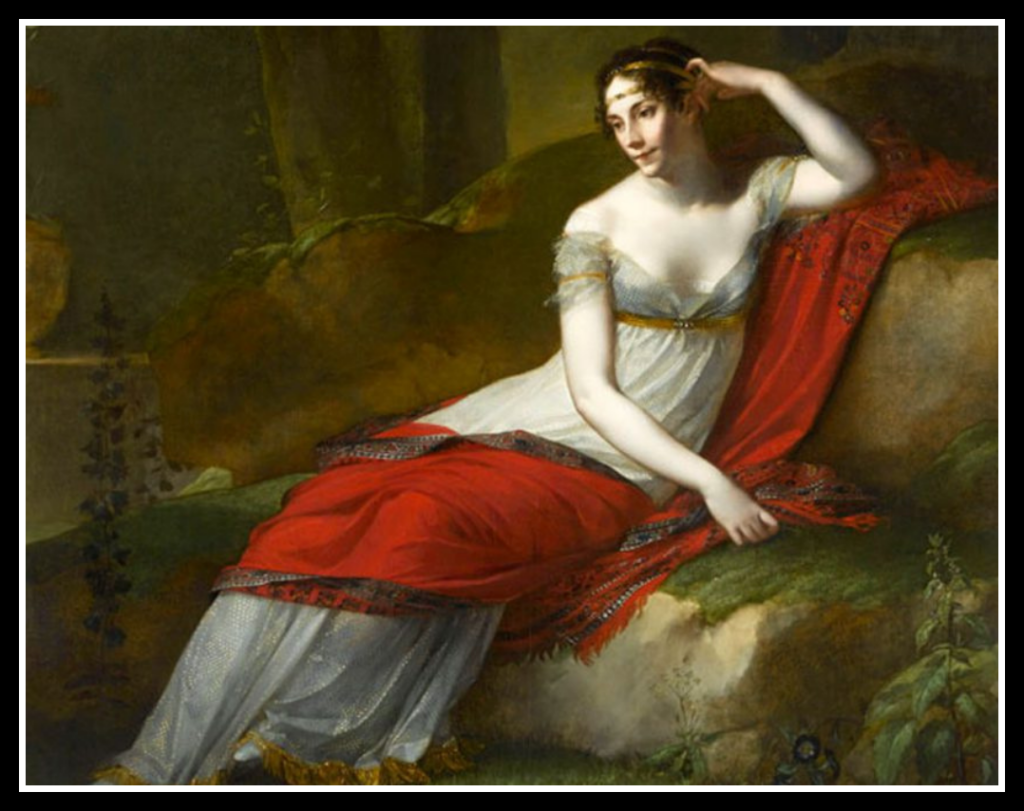
The Middle East confers to the fascination of Cashmere from the beginning. Hence until the 19th century, the fine Cashmere wool, used by the Iranian rulers for several religious and political gatherings was explicit. In addition, in the 18th century, the glaze captured the Europeans and they started to import it to their countries, especially Scotland and France. Also, it is evident in history that Empress Josephine was so fond of the finest shawls that she had near about 400 Kani Pashmina Shawls. Therefore, the Cashmere word, coined by the Europeans was due to the abundance of the finest Cashmere wool in the valley of Kashmir. Thus, the resemblance in names is due to the accent of foreigners.
Glamour of Cashmere in the Contemporary Era
In modern times, an ode to luxurious fashion is provided with Cashmere. There are several distinct styles that cater to the world of fashion in numerous ways. From Cashmere wraps to scarves, the statement of style is predefined to beatitude. Along with the ways of contemplating fashion in a daily sense, Cashmere has been a go-to option for the beauties out there. The handcrafted Cashmere goes through several procedures to determine the Art of Pashmina in every inch.
The regal allure of this rendezvous aggrandizes your looks instantly as it has a magical effect on your overall looks
The newer generations find the traditional, cultural accessories more luxurious as it defines their heritage. Modernism altered several styles. Giving some of the accessories the modern pinch of designs and patterns. Even embroideries got more enthusiastic towards the contemporary world. There are diverse prints, patterns, weaves that perform the function of serene modernism in every style. Cashmere wraps for the collection of distinct designs. With many ways of wearing the Cashmere wraps, the art has catered all the generations. Similarly, the scarves cherish the chic, classy and elegant styles of every generation. Hence, Cashmere with its versatility confers to the huge collection of exclusive accessories.
We, at Pashmina.com, rely on highly skilled artisans for the curation of Cashmere wraps and cashmere scarves. Therefore, we directly take our collection from the valley itself. The heritage and the nature of the valley cherish the finest Cashmere fibres by the Art of Pashmina. The harmonious weaving and designing of our exclusive collection confer to all the generations of every gender. Also, the unique and luxurious style of every masterpiece belongs to the valley of Kashmir reflecting every serene beauty of heaven. The artisans pour their admiration for the Art of Pashmina. The adornment includes sustainability to nature as well. The finest wool thereby vows along with the hymns of Pashmina Art for the opulence. We belong to the valley for its meticulous Art. Hence, the valley provides our platform with the skill of artisans and countless masterpieces of Pashmina.
The regal art of Pashmina enamored the entire world and women across the globe invested in pure Pashmina shawls. Commoners as well as affluent nobles and queens ordered Pashmina shawls from Kashmir and wore these to special events. It was Empress Josephine who ordered 400 Kani Pashmina shawls and set this variety of Pashmina shawls to a timeless fashion. At this time, Pashmina gained a heavy impetus, as Empress Josephine was considered a style icon of her times.
Soon the sales of Pashmina shawls boomed, and artisans who handcrafted Pashmina shawls became one of the richest sections of the society. These skilled individuals were invited to countries all over the world to train craftsmen there in weaving wool. Kashmiri craftsmen were the most respected people in the country and lived like kings. Just one shawl exported to Europe would earn them enough for a month and this gave them the willpower and encouragement to work efficiently and effectively for the rest of the year.
As the demand for Kashmiri Pashmina far exceeded its supply, customers had to wait for their shawl to complete. On top of that, some shawls took 4-5 years to complete. This frustrated some customers, who began looking for alternatives.
The rise of fake Pashmina
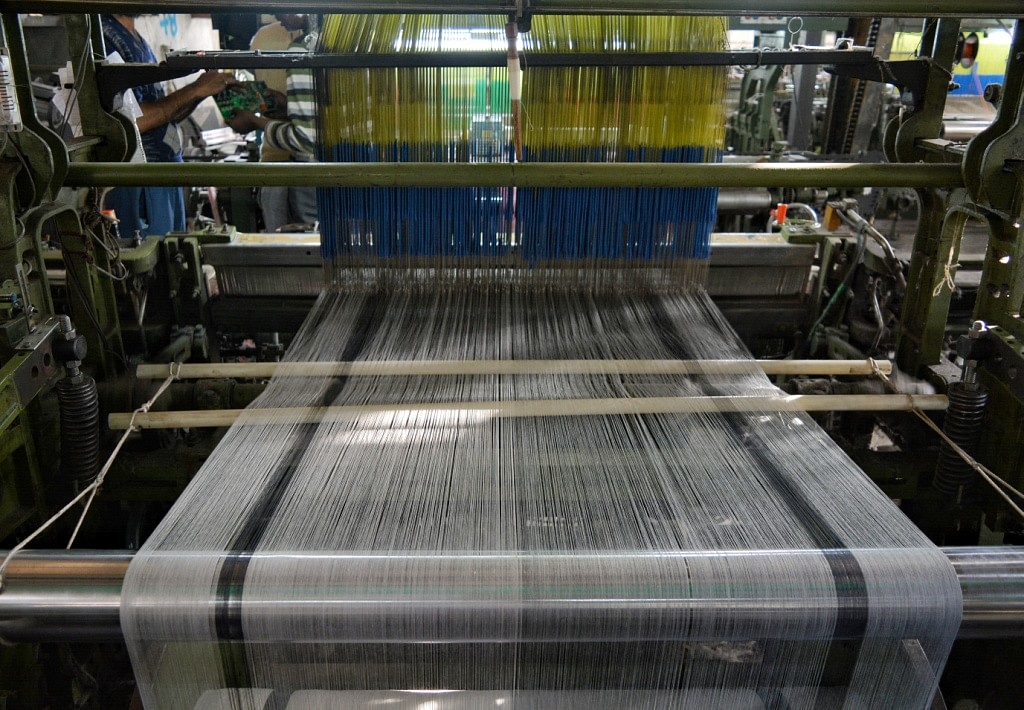
As Pashmina gained fame and recognition all over the world, its competitors put their energy into making fake Pashmina shawls. The fake copies had only one advantage over pure shawls that these were processed in minutes. As customers were tired of waiting for their ordered shawls, several fraudulent traders introduced machines to speed the process up. Pure Cashmere when passed through a machine got damaged. Since the yarn was exceptionally delicate, it could not bear the strain of the power loom and hence was cut easily.
Fake Pashmina being produced on machines
To strengthen pure Cashmere threads, the traders mixed these with strengthening threads of silk or nylon. In such a way, the threads did pass through the machine and even transformed to a Pashmina shawl, albeit not a pure one.
As news of quick Pashmina shawls spread, customers all over the world began buying them. These were even cheaper than pure shawls, as 100% Cashmere was not used in the making. But buyers were happy to get Pashmina shawls in just a few days, and hence did not care about quality. Time passed and these fake shawls began withering with 2 or 3 washes. Some started pilling with just one use (ones adulterated with sheep wool). Some were not warm enough. Hence the shawl which was known to last for over 20 years lasted for 2 or 3 years. Customers were angry and decided to stop using Pashmina. This was because they believed that the art is now incompetent, and pointless to spend money on. Little did they know that pure Pashmina shawls have been adulterated.
Revival of Pure Pashmina
Patrons, especially locals, who knew about fraudulent practices by greedy traders soon raised their voices against them so the world could know. A few of them connected to traders who still crafted pure Pashmina, and took the responsibility of selling these themselves. But enough time had passed for people to completely switch to other alternatives like merino wool shawls or angora wraps. A very less percentage returned back to Pashmina, and local artisans, who were kings of their times, lost everything.
What is pure Pashmina?
Hand-weaving Pashmina over a handloom
A pure Pashmina shawl, scarf, or wrap is one that has been handmade from pure Cashmere threads acquired from the Himalayan goat. A rare species of goat is found in the Himalayas which grow special wool as a down coat. This down coat is shed by them in summers, which is collected and processed. The processing includes spinning the wool manually and then hand-weaving it over a handloom. There is no use of power looms or any mechanical assistance whatsoever. The weaving of pure shawls takes 3 to 4 days before Cashmere yarn becomes a wearable shawl or scarf. A pure Pashmina shawl is made up of 100% Cashmere threads, and there is no inference of machines or chemicals.
How do I know my Pashmina is pure?
As the world came to know that Pashmina can be pure and fake, many realised that their Pashmina shawl could also be fake. Hence, women began asking questions all over the internet and to the artisans in Kashmir about testing the originality of their shawls. A number of tests came up, which can tell if your shawl is pure Pashmina or a mix. Here are some of them
The Burn Test
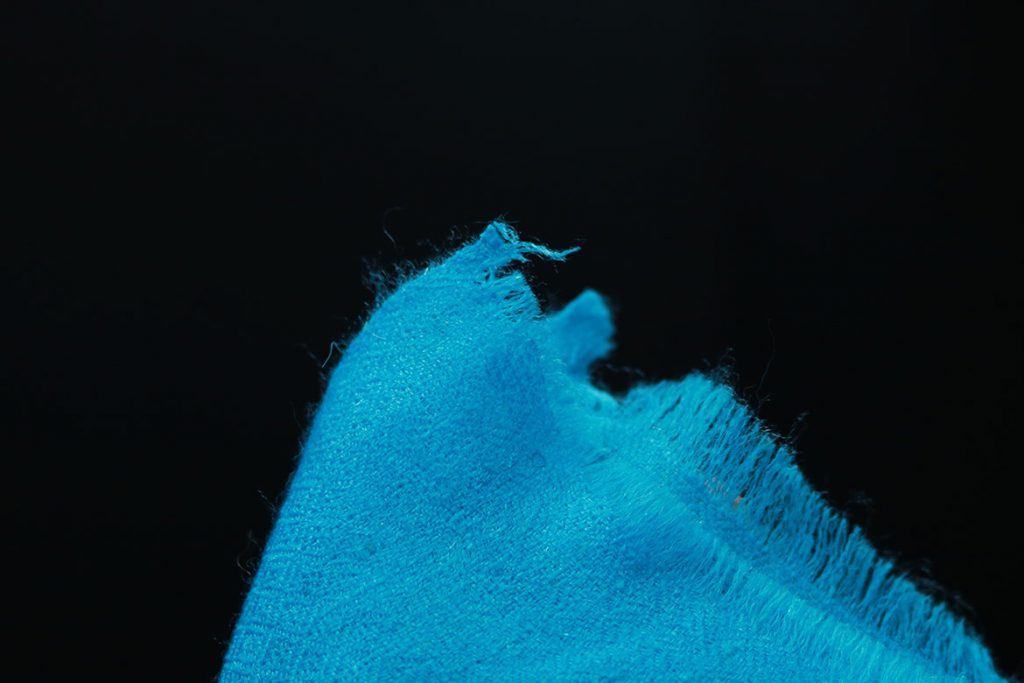
Cut a fringe at the end of your shawl and burn it. How does it smell? How do the ashes look? If you get a burnt hair smell, and the ashes are powdery, the shawl is pure. This is because Cashmere is a natural fibre and smells like human hair when burnt.
Testing the Pashmina by burning it
The Shine Test
Post burning, this fringe should be matte. That is because pure Pashmina is not shiny. It is made from natural hair and hence carries a matte appearance. A little sheen is however possible.
The Weave Test
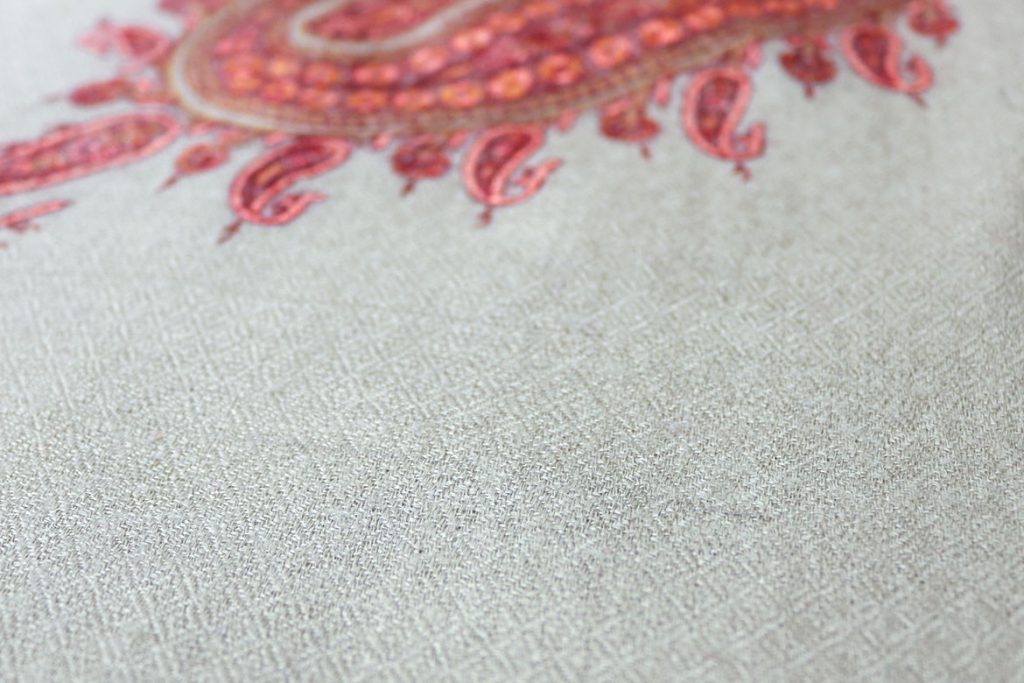
Hold your shawl up against natural light. How does the weave look? Is it regular and straight? Or is it irregular? If your shawl has an irregular weave, it is a pure shawl. A handmade shawl will never have straight rows and columns because humans cant weave straight like a machine.
Uneven diamond weave
The Rubbing Test
Choose a corner of your Pashmina shawl, and rub it against itself. If nothing happens, there is a high chance of it being pure Pashmina. But if you notice some little sparks, upon rubbing, it is a fake shawl. That is because it is synthetic and polyester fibres that produce static electricity upon rubbing. Natural fibre does not.
The Movement Test
Hold the shawl between your thumb and index finger and do a wiggling of your fingers. Does the shawl move up and down? If yes, then it is a fake one. A natural fibre shawl would not move and just caress against your fingers. If it displaces, it is a synthetic mix.
The Lab Test
If you can take your shawl to a microscopic test, get its micron count checked. If it is above 20 microns, your shawl might not be pure. It might be a Pashmina, but not a good quality Pashmina. A 12 to 16-micron count Pashmina is ideal. A more micron count does make it Pashmina, but not as warm, soft, and smooth as the finer quality shawls.
If you feel buying an original pure Pashmina shawl is extremely complicated, your worries end here. Visit Pashmina.com for the most beautiful collection of pure Pashmina shawls.
An imagination of dreams caters to the passion for creativity. The craft belongs to the liveliness of nature. There are several aspects of the craft. One is the exquisite Pashmina Craft. In the world of fashion, there have been distinct styles of accessories. Often, one gets confused between several styles. A main point of discussion is when you get on wheels to buy an explicitly defined accessory like Shawls. There is a huge difference between normal shawls and Pashmina Shawls. We encounter several criteria around which differentiation exists.
There are exquisite Pashmina Shawls with diverse patterns and designs. Diverse intricacies belong to the purity and fineness of Pashmina Shawls. On the other hand, the normal Shawls of different origins and distinct styles cater to the look of normal and simple presence. While Pashmina Shawls cherish your presence with opulence. The heritage confers to the opulence with integrity in fineness.
An Exquisite Pashmina Shawl
Cashmere from the undercoat of different types of exquisite goat breeds is obtained. Cashmere, procured from the downy and wooly pelage of the different breeds of goats from around the world especially from Mongolia, China, Iraq, Iran, Nepal is of premium quality. Pashmina Shawls, specially made from the fleece of the Changra breed of goats is the finest. The Cashmere from the feet of Changthangi mountain of the Ladakh region is the finest among all. These are the finest fleece from the rarest breed of Changra belonging to the tribe of Changpa who are the traditional herders of Changra goats. Therefore, they start their journey in the commencement of the creation of Cashmere.
Changra goat
The Cashmere wool grown on the Changra goats is to combat the harsh winter season. To overcome the heat of nature, it naturally sheds off fleece during the moulting season. The fleece, combed or plucked out manually as well is fine. Thereby, cultivated from nature to cherish every part of fleece. The premium quality, preserved by plucking out the fleece manually is a divine process. Furthermore, the fleece grows toward the steps ahead for the curation of high-quality Pure Pashmina.
The creation of premium quality Pashmina
After the diligent picking, the process moves forward. Spinning is done by hand on the traditional charkha wheel known as yander. It is a highly-skilled job to spin the fibre into a glorified fine yarn. It is mostly done by the women of Kashmir who have the traditional skill of spinning the incredibly fine yarn which must be done manually. The yarn translated to the handloom manually is the finest. The Pashmina Shawl is woven and interwoven on the basis of requirements. There are several styles to be named that have created a well-defined sphere of luxury.
There are several distinct styles and designs catering to the world of fashion.
Solid Pashmina Shawls
Here is a handcrafted winter accessory, which is as luxurious as the rest of your ensembles
The Solid Pashmina shawls give rise to several other styles by designing the intricacies unto themselves. The variegation of Pashmina Shawl takes place in the sphere of the local dyer called Rangur. The exquisite colours are shadowed on the Pashmina Shawls to deliver an aura of opulence in every direction. The warmth of these Shawls in the season of cold feels like it's directly taken from nature i.e., the fleece of Changra goats. Ethically produced handwoven shawls are thereupon the most elegant simple Pashmina shawls.
Reversible Pashmina Shawls
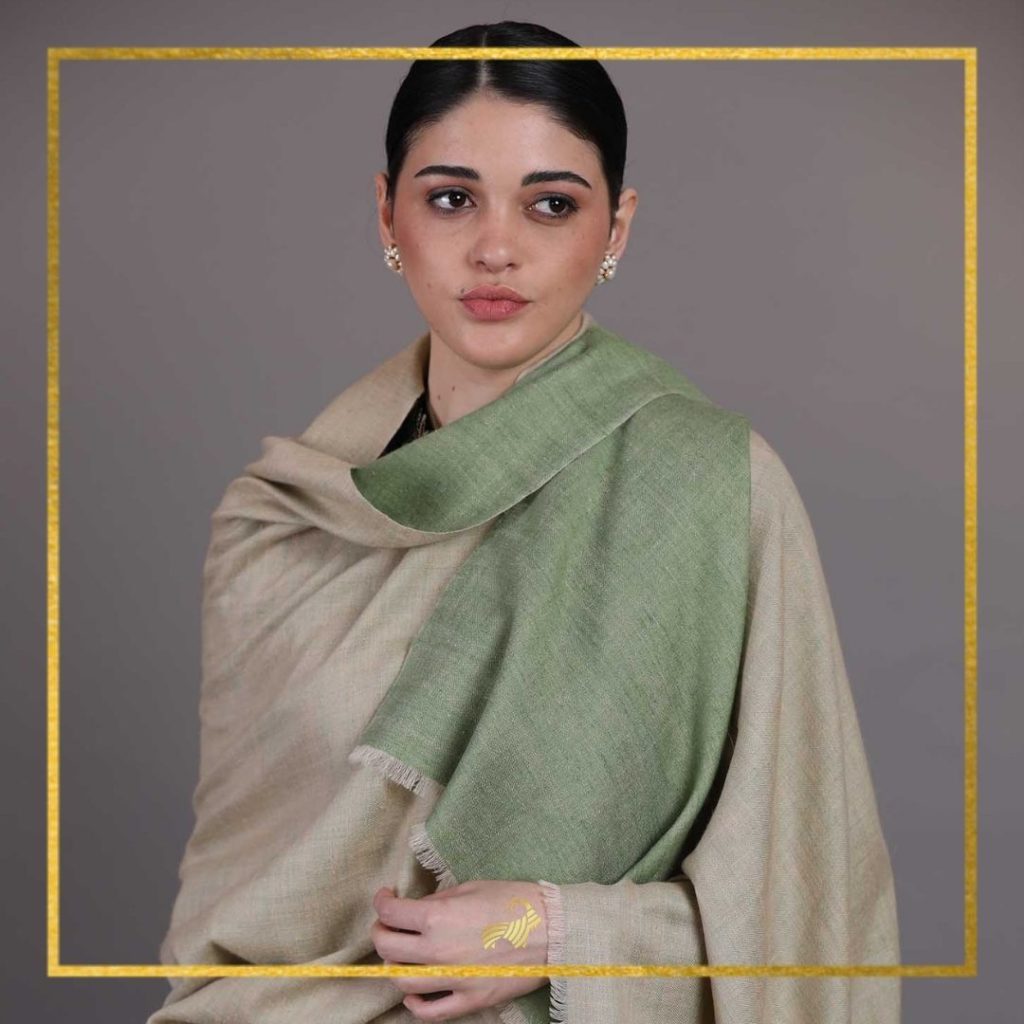
Handwoven over a handloom in a Do Rukha pattern in a subtle green shade, the shawl was nothing less than mesmerising
There are explicit Pashmina Shawls in the pattern of Reversible style. Also called do-rukha in the local language. Therefore, the unique weave caters to the bloomed intricacy in a distinct way. The luxurious appearance of the Reversible Pashmina Shawl confers to the beauty of weave on the handloom of the Kashmir Valley. Woven with two different colors from either side of one single shawl. Moreover, the authentic Reversible Pashmina Shawl is a versatile accessory in the world of luxury.
Printed Pashmina Shawls
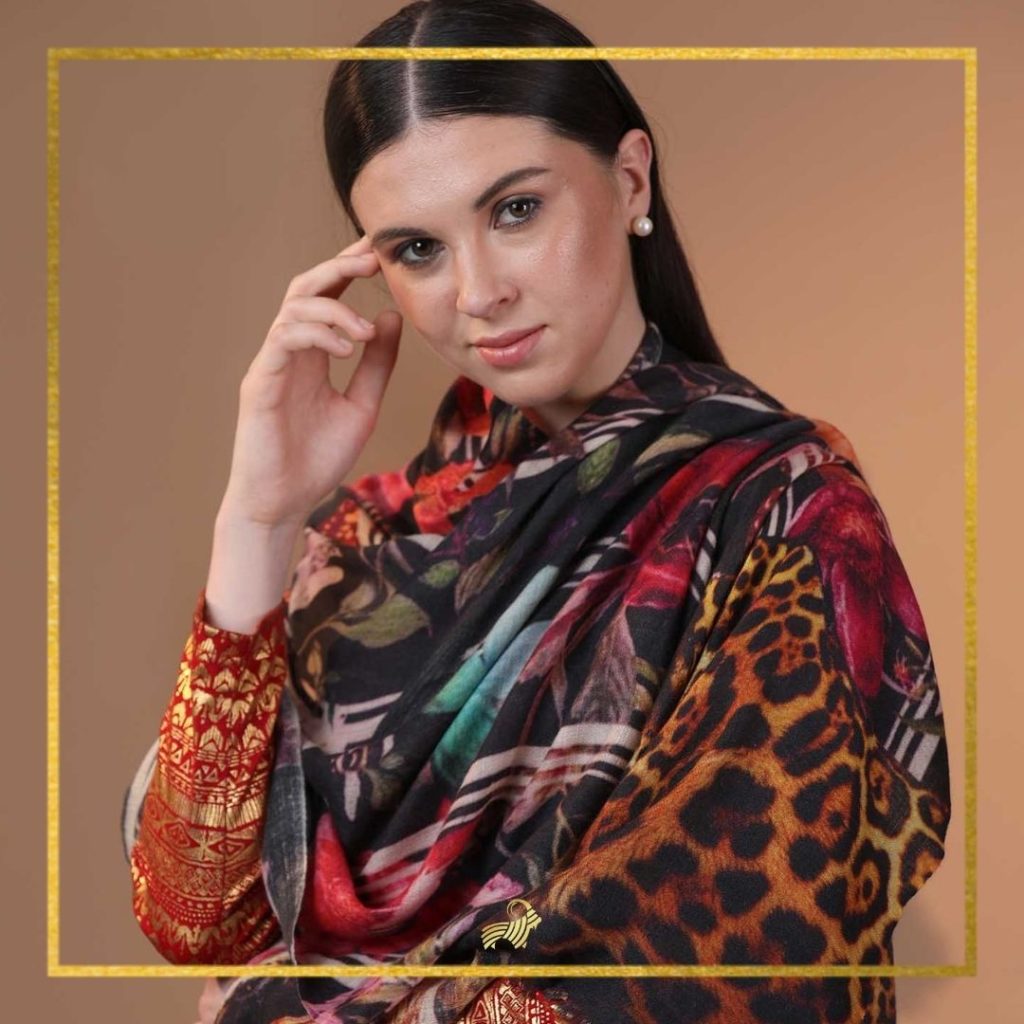
Brilliant prints placed carefully over the illuminated base of a sumptuous winter wrap make it the most loved and cherished winter accessory
The organic prints prescribed as per the design of a particular Pashmina confer to the creativity of the artisans. The meticulous prints over to the Pashmina Shawls create a sense of glory in its being. Thus, the prints admire the Pashmina with the wings of colourful patterns. In addition, the explicit prints over the Pashmina shawls touch the distinct colours of nature by indulging in the process of uniqueness. Moreover, the Printed Pashmina Shawls are worthy of every eye to pour love over them.
Embroidered Pashmina Shawls
Kashmiri Papier Mache - a unique embroidery pattern which uses bolder strokes of warm colours to make motifs look like a live painting
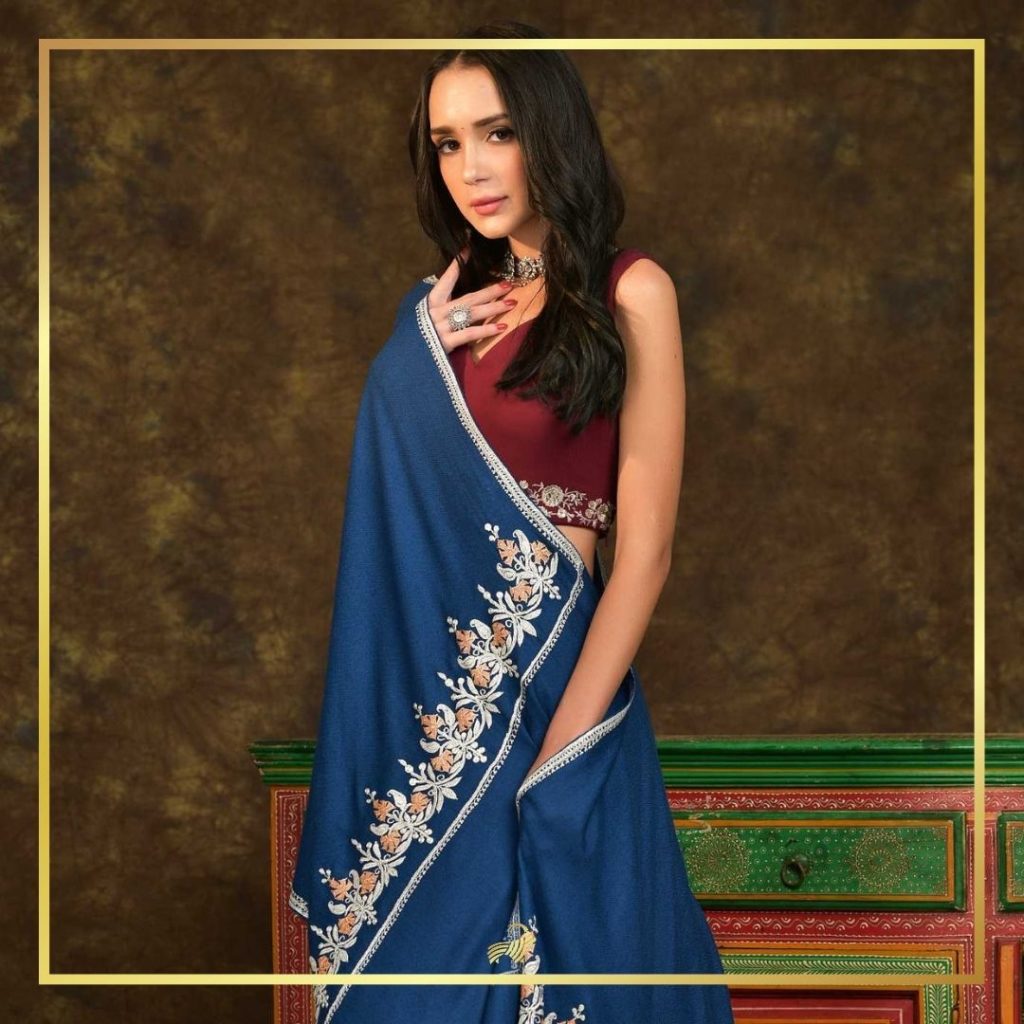
The hand embroideries on the elegant Pashmina Shawl confer to the nature of skill. Hence, the highly skilled artisans from the valley of Kashmir bestow creativity. The different types of embroideries like Sozni, Aari, Papier mache, Tilla dozi, etc. The intricacy and the skill of artisans rely on a pattern of well-defined designs. There exist traditional motifs for the exquisite embroideries. There are some alterations given to the nature of hand-embroidered Pashmina shawls to enhance the living world inside the designs. With time, the embroiderers have made their way to a level unreached because of the explicit and divine depicting mostly nature from where the Cashmere wool itself is obtained.
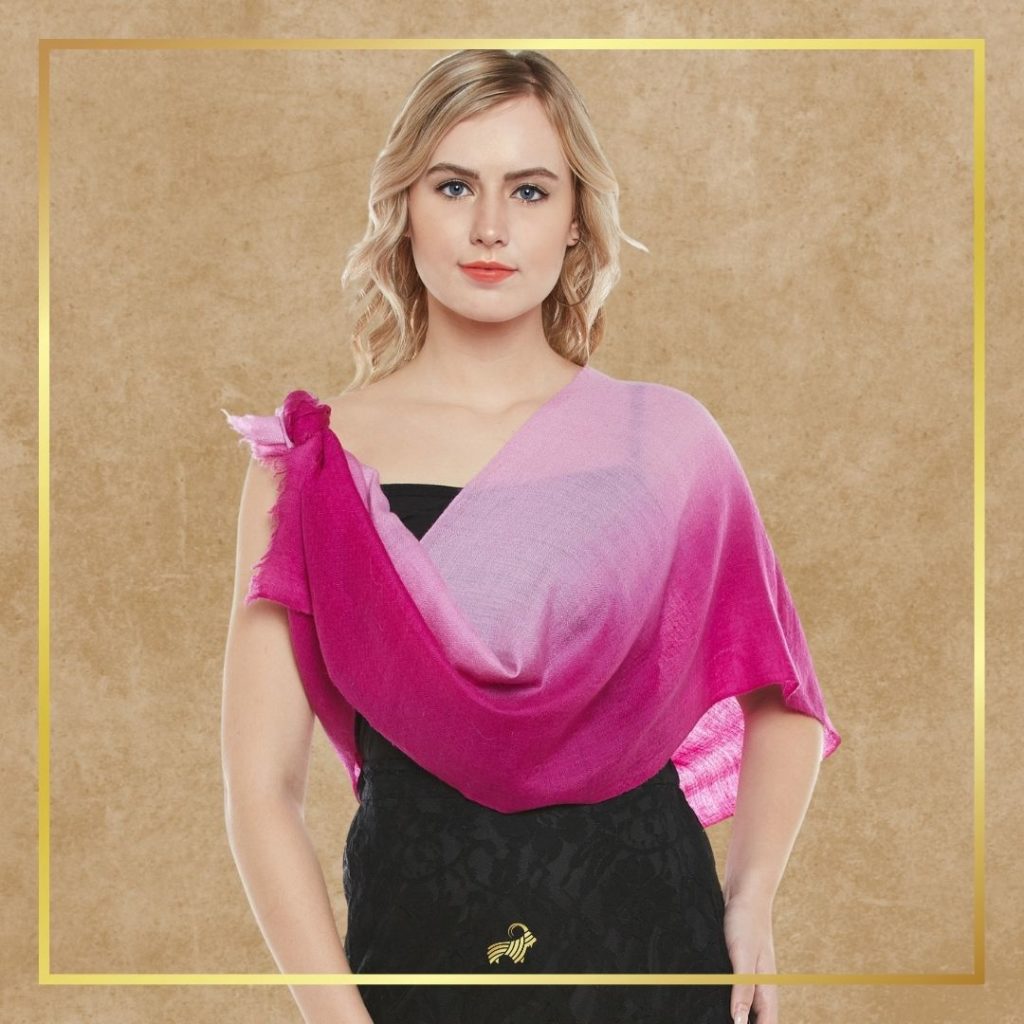
Ombre Pashmina Shawls
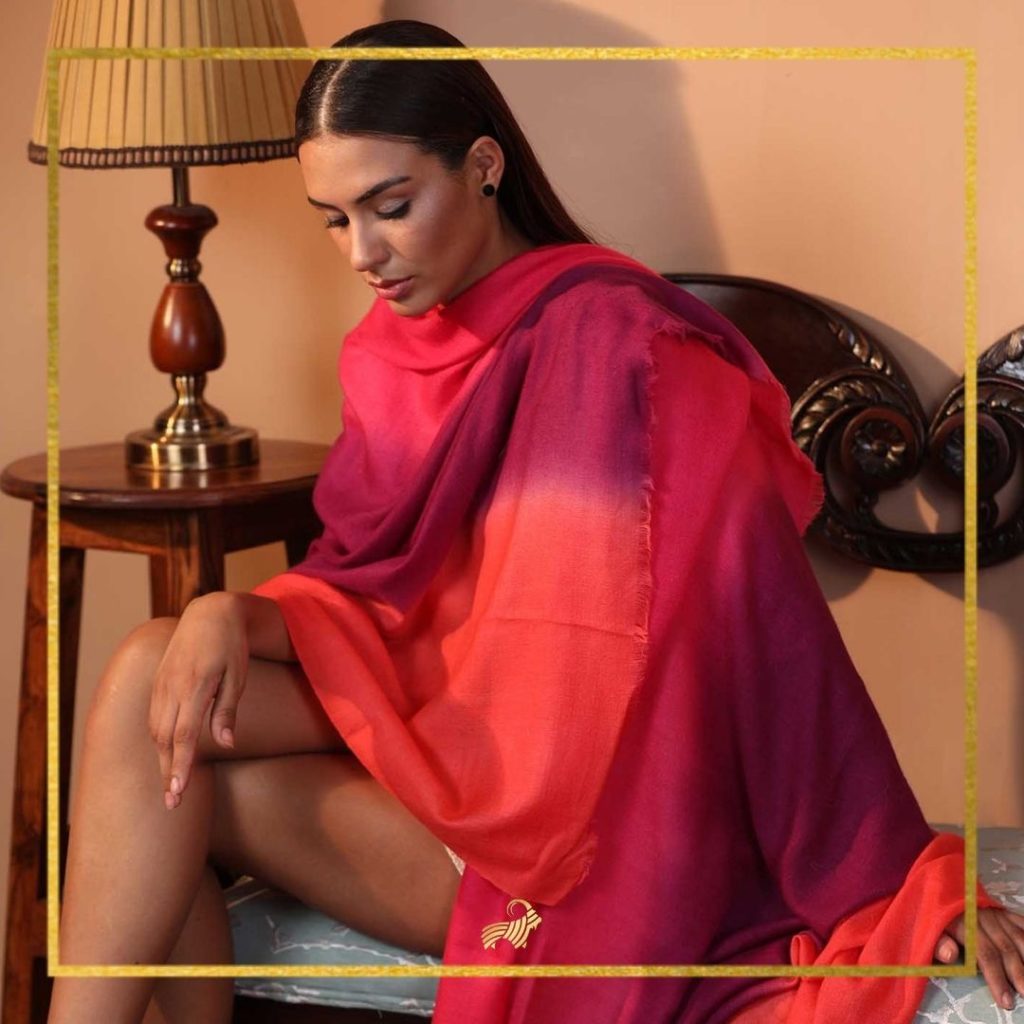
A Kashmiri Pashmina, in all iridescence of rainbow shades, has been freshly handwoven to eliminate the winter blues
The creation belongs to the dyeing of distinct grades in the colours. Afterward, the Pashmina Shawl is pigmented with a sequence of shades and tones. The altogether look of beautiful styles prevails in the fashion world as a luxury accessory. The Ombre Pashmina shawls, created by the radiance of different colours are exquisite. Therefore, the handcrafted Ombre Pashmina is the path of luxury fashion because of the versatility in its creation.
Patterned Pashmina Shawls
Here is one piece, composed of rich hues which have been derived from nature's palette
The highly skilled weavers of the valley of Kashmir weave the patterned Pashmina with tranquility. Diverse patterns are woven on the high-quality Pashmina Shawl. The weaves in the variety of pigments create evidently stylize the luxury of patterns.
Laced Pashmina Shawls
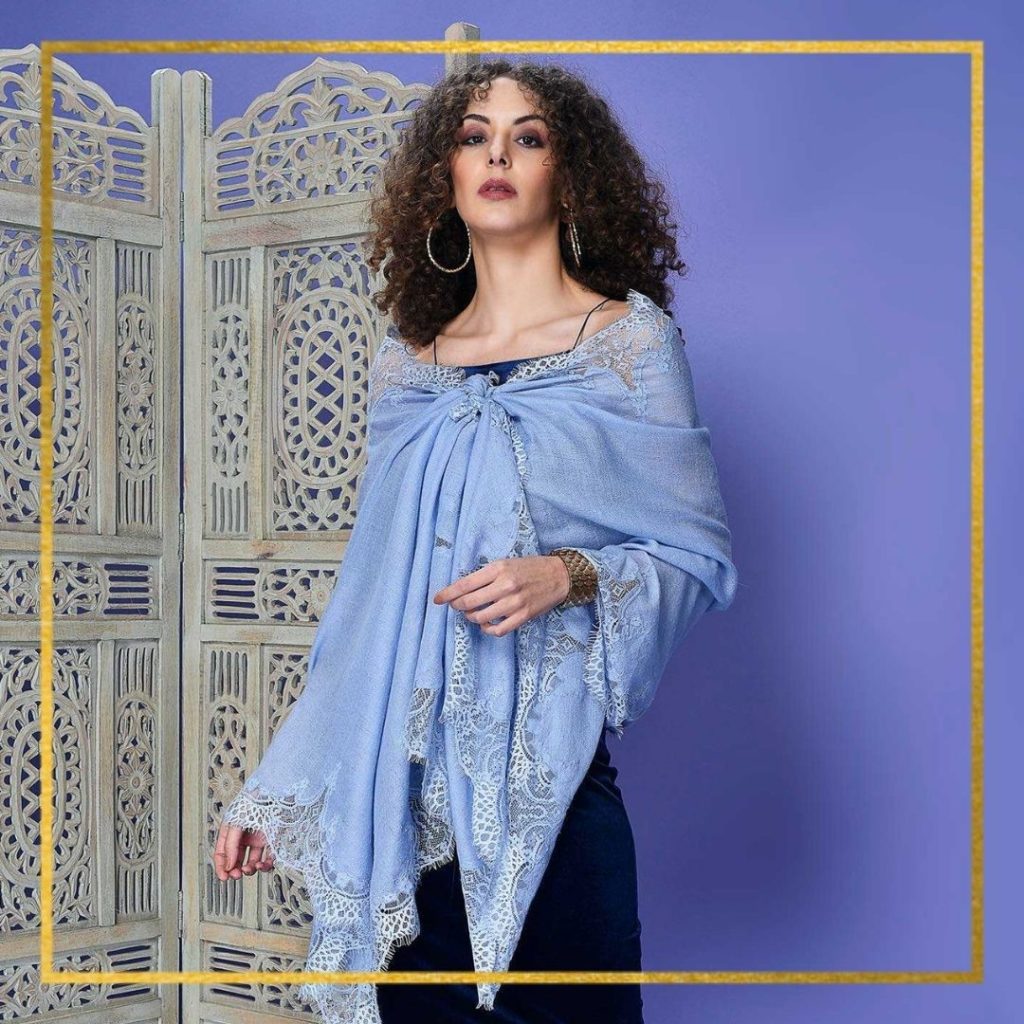
The wrap features hand-stitched French Chantilly lace which covers the wrap in an effeminate fashion
The togetherness of different handicrafts builds uniqueness in the appearance. Therefore, the french Chantilly lace incorporated in the handcrafted Pashmina Shawls makes the onlooker awestruck by the intricate designed beauty of these laced Pashmina Shawls. The Laced Pashmina Shawls cater to the luxury of fashion with the diligence of artisans.
Swarovski Crystals Pashmina Shawls
Bestowed with shimmery Swarovski crystals which span like the night stars over the base
A simple elegantly designed shawl imbibes the luxurious Swarovski crystals Pashmina with glamour. The handicraft with embellished precious Swarovski crystals gives a glance of authenticity and glamour at the same time. The elegance, radiance near the creation of these are extraordinarily cherished in the fashion world. It identifies a high premium quality Pashmina Shawl on the wearer. Thus the glory confers to the luxury of being a meticulous Pashmina Shawl.
Kani Pashmina Shawls
Canonized by ancient royalty, and the patrons with a classic choice in art, the shawl is meant to grace occasions where all eyes are on you
The Kani Shawl craft originated in the era of 3000 B.C.Mughals have been into its intricate designs from that century of time. Also, the Kani word belongs to the dialect of the Kashmiri language where it has roots in the place of Kanihama. The weavers have got the desire and skill to sustain their survival and to create a fashion craving Kani Shawl. Henceforth, the weaving, preceded by the Kanis that are the wooden sticks of hand size made of forest wood known to be as “poss tul”. The Kanis have a colourful thread around to present their wefts in an already warped Shawl. The weaving begins by galloping the colourful threads around the Kanis. Moreover, the artisans skillfully do the work with the hands of the heavens. A particular number of Kanis, used for the weaving of one Kani Pashmina shawl.
Basically, a shawl is a simple accessory in clothing loosely worn over the shoulders, upper body, and sometimes also over the head. It is usually rectangular or square which is often folded to make a contemporary styled accessory. The word from the Persian language, shal means the Shawl. The first shawls/ shals used in Assyrian times of the era were Pashmina Shawls. Later on, they went into widespread use in the Middle East and Europe. Shawls were also part of the traditional male costume in Kashmir from the beginning.
There are several types of Shawls in the entire world. The turkish shawls are famous for their variety in chiffon, silk, and wool. The simple Turkish shawls cater to the huge number of people for casual wearing. Similarly, the Nepal Shawls, Scottish Shawls, Yemeni Shawls, all belong to the class of clothing worn over to combat cold in the season of winter. In addition, these Shawls are worn over during festivities, religious ceremonies, and casual gatherings. These simple, cheaper Shawls cater to the simplicity of Shawls. Likewise, the Indian subcontinent has distinct handicrafts. There are varieties of Shawls in the country. Kullu Shawls, Naga Shawls, Kalamkari Shawls, Pashmina Shawls as well and many more types of outer clothing.
Pashmina Shawls vs Other Shawls
There are several differences between the two. Pashmina Shawls are handcrafted meticulously woven while other shawls can be machine-made. The weaving of Pashmina Shawls is done on the handloom in the valley of Kashmir while other shawls undergo weaving in power looms. Likewise, Pashmina craft caters to the purity and fineness of the rarest Cashmere wool. While, other shawls are made of silk, chiffon, and the average quality wool. Pashmina Shawls have the warmth of luxury while other shawls are not necessarily as luxurious. The fashion world optimizes the quality of Pashmina as premium. On the other hand, the other shawls have different qualities including the cheapest ones.
Artisan weaving Pashmina on handlooms
Distinctions create a clear diversion between the two. Pashmina Shawl belongs to the sphere of fineness and divinity. A stream of skill is devoured in the craft of Pashmina. Also, the valley cherishes the heritage and vulture through handcrafted pure Pashmina. On the other hand, normal Shawls from different materials fulfill the overall look but can never cherish the luxury of presence on the shoulders of the wearer.
Exquisite-quality collection
We, at pashmina.com, reward the high skill by catering to the marvelous craft. The admiration towards the finest Pashmina brings joy to the luxurious fashion. Therefore, we adorn the world with the purest, softest, and luxurious Pashmina Craft. In the form of several styles, we bring the fashion world acquainted with the handcrafted fashion of Kashmir Valley. We bring forth an exquisite collection of Pashmina Shawls. From Solid Pashmina Shawl to the intricate Kani Shawl, the revere of luxury breathes at our online platform. Distinct styles of Pashmina Shawls with diverse unique colours clamor the name of luxury and nature.
From the horizons of Kashmir valley, the craft from the hearts of artisans confers to the fashion world. The liveliness of the dreams in the designs of its gleam. Thus, the traditional, cultural, and contemporary motifs inscribed, printed, and embroidered on a Pashmina Shawl blesses a revere of creativity. We surround all the genders with a distinct and unique collection of our meticulous Pashmina Shawls. Therefore, celebrate every eve, occasion, and festival with the luxury of Pashmina. We cater to every day of luxury of every soul out there in the fashion world.
Pashmina. Is Pashmina a wool type? Does anything like Pashmina wool exist? Is Pashmina a shawl? Or is Pashmina a scarf? Is Pashmina the name of an animal? What is Pashmina after all, and why is it so special?
These are some questions that are still wandering in the minds of a large number of people, all over the world. Some ask if Pashmina is a wool type, then what is the hype about. Some say, why is Pashmina world famous. Today, we answer all these questions and make it clear in the minds of people as to what Pashmina actually is, and whether it is a super hyped product or it actually deserves this reverence.
What Pashmina actually is?
A pashmina is an art form. It was started in the 15th century in Kashmir when a saint travelled to the valley and discovered a new goat hair. This goat hair was found growing over the underbelly of a goat in Ladakh, which grew it in winter to keep itself warm. This goat hair was exceptionally smooth and fine. Hence the saint, who had travelled all the way from Persia, asked herders to collect this goat hair. Later he got it processed and handcrafting it into socks, he gifted the same to the then king of Kashmir - Zain ul Abideen.
Pashmina Goats
The king was immensely impressed by the softness and warmth of the socks, and upon inquiring came to know about its source. Hence from this period onwards, this luxuriously soft goat hair was collected and fine shawls, apparel and smaller accessories were made out of it. This came to be known as Pashmina.
When these Pashmina shawls and scarves gained more and more popularity, patrons of this regal art came from all over the world, especially Europe. They took with themselves a large number of shawls and then began exporting these in large quantities. It was Europeans who for the first time called this fine wool “Cashmere”. This was an anglicisation of the word “Kashmir”, where these heavenly beautiful shawls and scarves came from.
Cashmere and Pashmina in today’s world
Today, the fine hair of the Ladakhi goat is called Cashmere. And the art of transforming this Cashmere into luxury shawls, scarves or apparel is called Pashmina art. Pashmina art has hence come into existence in the 15th century, when Shah E Hamdan, a Persian traveller and saint discovered it in Ladakh for the first time. Although it is not just Ladakh, but several places in the Himalayan range where Pashmina producing goats are found, Ladakhi Cashmere is the finest. Hence Kashmiri Pashmina is the world’s most soft, fine and luxurious Pashmina. It is unparalleled and has no match.
How is Pashmina used?
Babies love Cashmere
The art of Pashmina is used to handcraft a number of wearables. Pashmina shawls, scarves, wraps, apparel, socks, pocket squares, and many other furnishing items are crafted from raw Cashmere. In addition to wearables for adults, baby blankets, baby socks, and fine baby sweaters, too, are crafted from soft and smooth Cashmere. This is because of the softness and zero itching caused by Cashmere, which makes it ideal for baby skin.
Transforming Cashmere into Pashmina is a laboursome task and takes months and sometimes years to complete. To procure Cashmere from Ladakh, one has to wait for the Spring season, as it is April-May when the moulting period of the goat starts. In this period, the goat loses some portion of this fine hair naturally. And next, in the summer season, it further rubs itself with coarse surfaces, to get rid of the left out hair on its body, which is now a source of discomfort for the goat. Further, if some hair is still on its body, herders comb it out gently. This finishes the process of acquiring Cashmere from the goat. This Cashmere is sent to Kashmir in small packets.
On arrival, the packets are opened and raw Cashmere is cleaned thoroughly. It passes through a number of phases of cleaning, sorting and making it ready for further processing. Next, the clean Cashmere is handed over to spinners, who spin it and transform lumps of raw Cashmere into fine long threads. This is Cashmere yarn and it measures just 12-16 microns that are around one-fourth of human hair.
Weaving the fibre into Pashmina
Yarn is sent to handloom owners, who prepare the handloom by fixing threads into its heddles. This takes a few days before the actual weaving starts. Weaving yarn into fabric takes 3-4 days for a women’s Pashmina scarf.
It should be noted that every step in this process is manual. There is no use of machines, which makes Pashmina even more special.
Is Pashmina a scarf?
A large portion of our audience believes that Pashmina means a kind of scarf. They are not fully wrong in saying this. Pashmina scarves are revered all over the world. But Pashmina is not itself a scarf. It is the art of handcrafting scarves from fine Cashmere. Pashmina scarves have a smaller size as compared to Pashmina shawls. Here is the measure of different types of wraps made from Cashmere.
Women’s Pashmina shawls: 200*100 cm (L*B)
Women’s Pashmina scarves: 200*70 cm (L*B)
Women's pashmina wraps: 200*70 cm (L*B)
Pashmina scarves types
The plush base, the classic weave pattern, the blending of two timeless shades, and the comfort fine Ladakhi Cashmere equips the wearer with, every feature is swoon worthy
There are a number of varieties as far as a Pashmina scarf is concerned. This is because the makers want women to wear Pashmina on almost all occasions so they feel warm, comfortable and exceptionally elegant always.
Solid Pashmina scarves: Plain Pashmina scarves are ideal for casual occasions or formal days in the office.
Hand embroidered Pashmina scarves: For Weddings and special occasions, one can wear a hand-embroidered Pashmina scarf. Embroideries too can be thick and widespread, or intricate and limited, owing to the occasion.
Printed and patterned Pashmina scarves: Animal prints, floral prints, striped patterns, checkered patterns, all can be perfect for casual get-togethers, office days, or gifts to office colleagues and friends.
Kani Pashmina: Kani shawls or scarves are rich and dense in the weave. Hence these are ideal for brides, or a gift to a bride.
However, your Pashmina scarf looks, rest assured that it is a responsible buy. Pashmina art is sustainable, and there is no animal cruelty associated with it.