The Heritage of Kashmir is an immensely defined aspect of the valley in the world. The richness of culture and traditions speaks volumes regarding the beauty of Kashmir. The nature in Kashmir signifies the realm of handicrafts in Kashmir. Kashmir received the treasure of the skill of crafting with precision and admired it till the 21st century. From the Middle East to Kashmir, the journey began and has not stopped till today. One of the handicrafts is the Pashmina Craft. It embarked on the path of heritage redefining every dime of Kashmir all over again in each era.
Pashmina is the crafting of the finest Cashmere procured from Ladakh crafted in Kashmir to intricate accessories of luxury. Various accessories are crafted with diligence and enthusiasm. Artisans of the Kashmir valley are the flag bearers of the intricate Craft. They have worked for ages to perfect the skill of Pashmina Crafting. Heritage of Kashmir has walked side by side in the hands of artisans to explore the Craft of Pashmina to its core. From the 13th century to this day, the exploration of heritage has been working towards the revival of Pure Craft, a token of the Valley of Kashmir.
The procuring of the finest Cashmere
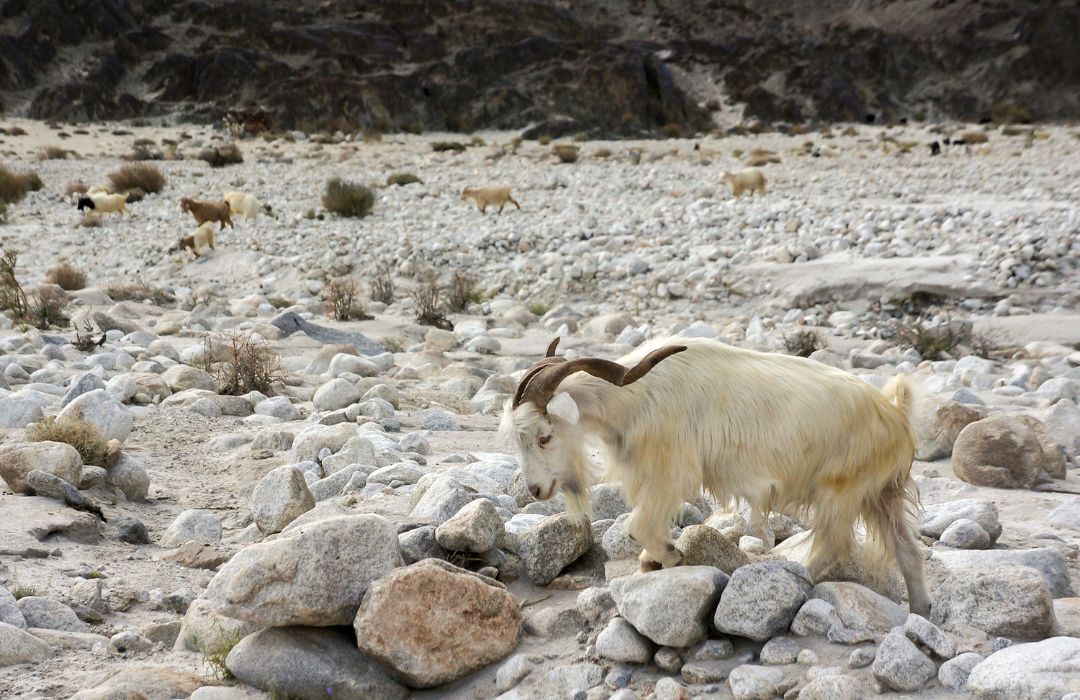
The Changthangi Mountain in the region of Ladakh is at a high altitude. At high altitudes, the temperature goes to the lowest. The winters are the harshest. A rare breed of Goats dwells in the feet of the Changthangi. They are called the Changra goats. Mainly raised for Cashmere production as well as meat production. The goats are medium-sized, fluffy with two big twisted horns. Also, the goats develop thick wool in the season of winter to combat the cold.
Eventually, when summer arrives, the goats shed off the pelage to get air in the sunshine. Moreover, the wool is also manually combed out by the herders who raise the Changra Goats. The herders are from the Chanpa tribe of Changthangi. They pack the tufts of wool in small packets and send them to the valley of Kashmir for the Pashmina Art. The wool is called the finest Cashmere wool.
Craft resonating with the Valley of Kashmir
The foremost step is the cleaning of the Cashmere wool. There is a thorough cleaning of the wool to get all sorts of dirt out. After the process of cleaning, the next step is the process of Spinning. It begins by giving the local women the Cashmere wool to spin it fine Cashmere yarn. The womenfolk of the valley mainly spin the Cashmere wool. The process is done on the wooden wheel/charkha called yinder in the local language. Thus, the women artisans meticulously spin the Cashmere wool to the miraculously fine Cashmere yarn.
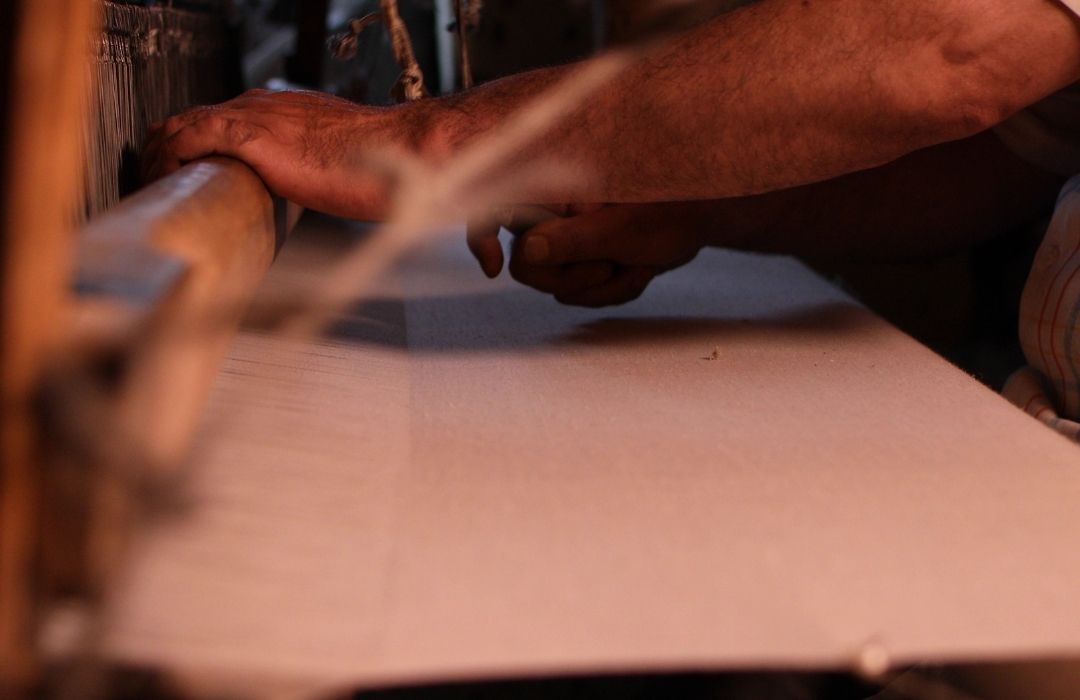
Afterwards, the spun Cashmere yarn is taken to the local workshops/karkhanas to move ahead in the Pashmina Art. The next process is the weaving process. The weaving is the transformation of Cashmere yarn to the fine Cashmere fabric. The intricate warps and wefts create the beautiful woven Cashmere fabric. Therefore, the most common pattern in weave is chashm_e_bulbul or the diamond weave. The weave is exclusively the masterpiece in itself. The eloquently woven Cashmere fabric goes on to further design.
Discovered by a Persian saint - The Treasure of Pashmina
The crafting of the finest Cashmere has a unique journey. It dates back to the 15th century in the Kashmir Valley of India. The footprints of a saint Mir Syed Ali Hamdani from the Middle East came to Kashmir with 700 craftsmen to adorn the beauty of the valley and to spread the holy message. The saint landed its appearance on Changthangi Mountain in Ladakh. While perceiving nature, he locked his eyes on the Goat of marvellous wool. Awestruck with the softness and fineness of the wool, he made socks out of it and gifted them to the Sultan Zain-ul-Abideen of Kashmir Valley. Perceiving By the beauty of Cashmere wool, suggested making an industry that cultivates Art in desirable styles. Even the name Pashmina, derived from the Persian word, pashm, meaning "the soft gold" is exquisite in being.
Also read: THE BATTLE AGAINST FAKE PASHMINA
Pashmina in the eras gone by
Heritage has been predefined through all these eras of Pashmina. From royalty to this class of people, Pashmina endeavoured through the best of times. In addition, the craft of Pashmina reigns in the beauty of Kashmir since the 13th century. It is a gift from the saint of Persia who discovered the rare species of Goats in Chanthanghi. He entailed the luxurious Craft in Kashmir. Afterwards, the royals adorned the Craft of Pashmina. It is an art that prevailed through centuries proving its legacy all over the world including European aristocrats and Armenian merchants. For centuries, Europeans were the largest owners of Pashmina accessories.
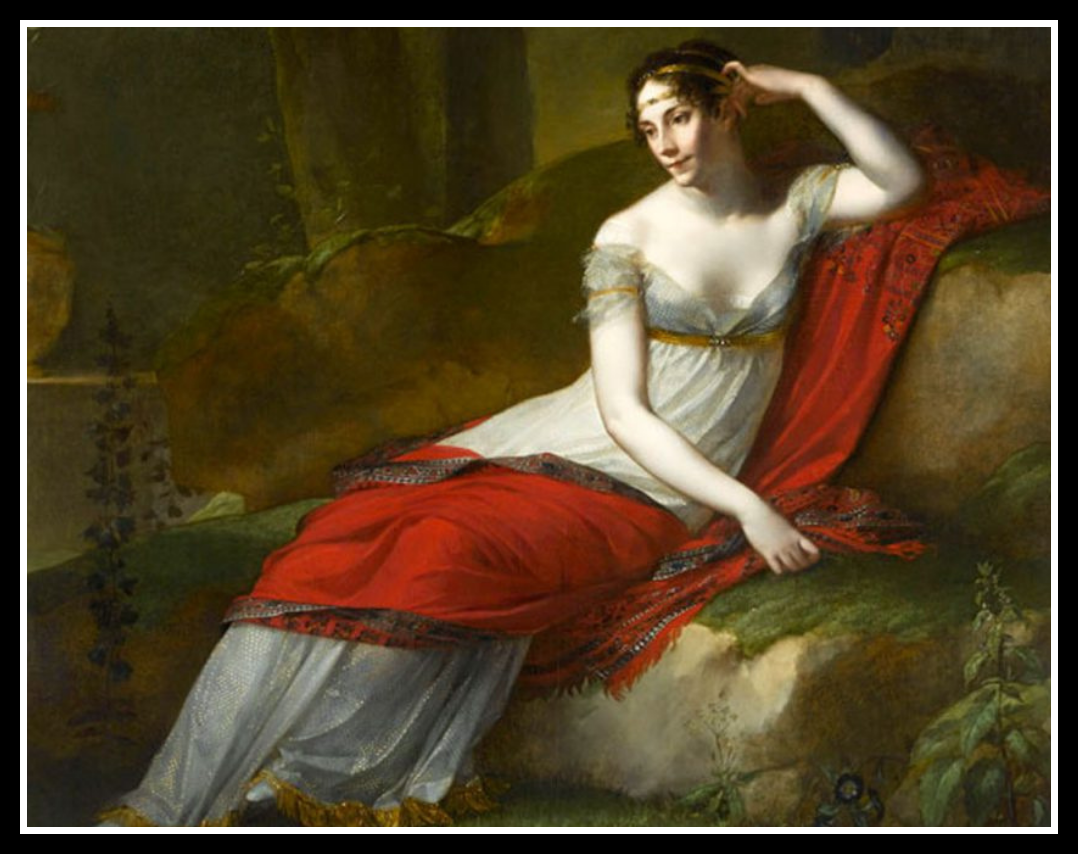
Moreover, French empress Josephine owned more than 400 Kani Shawls from Kashmir to supplicate her beauty with luxury. In India, the Mughals had a great affinity with the Craft. Emperor Akbar had such a fondness for the Pashmina shawl that he gave it an admirable nickname, "parm-narm" meaning “supremely soft”.
Pashmina Craft is a versatile craft that belongs to opulence. In the Craft of Pashmina, there are three main styles of accessories viz; Cashmere Wraps, Cashmere Scarves and Pashmina Shawls. All the styles are crafted in the basic steps of Pashmina Craft including Spinning, Weaving and Designing as explained earlier.
We, at pashmina.com have entailed the long journey of Pashmina and showered the luxury over the fashion world to revive the beauty of Pashmina. The collection of Pashmina on our platform is high-end authentic and taken directly from the laps of artisans who work years on a single masterpiece of Pashmina Craft.
Also read: 31 CELEBRITIES WHO WORE PASHMINA