One of the finest, most luxurious and hence most expensive wool types in the world is Cashmere. Cashmere comes from an uncommon species of goats which are found in the highest altitudes of many parts of the world. This wool type is fine, warm and extremely smooth and soft. For this reason, it is considered the best when it comes to winter accessorizing. Cashmere wool is used to produce shawls, scarves, stoles, blankets, and more luxury products. Amongst all, Cashmere scarves are the most used, especially in those places where winter is harsh.
Since Cashmere scarves are luxurious and annually processed beauties, these are fairly expensive. And if these expensive scarves get damaged at the smallest level, one is bound to worry. At times Cashmere scarves shed a little fibre from their outer surface, which makes their owner feel immensely worried. To know more about the shedding process, we have to know why all the scarves shed fibre, and more about their making.
Acquisition of Cashmere
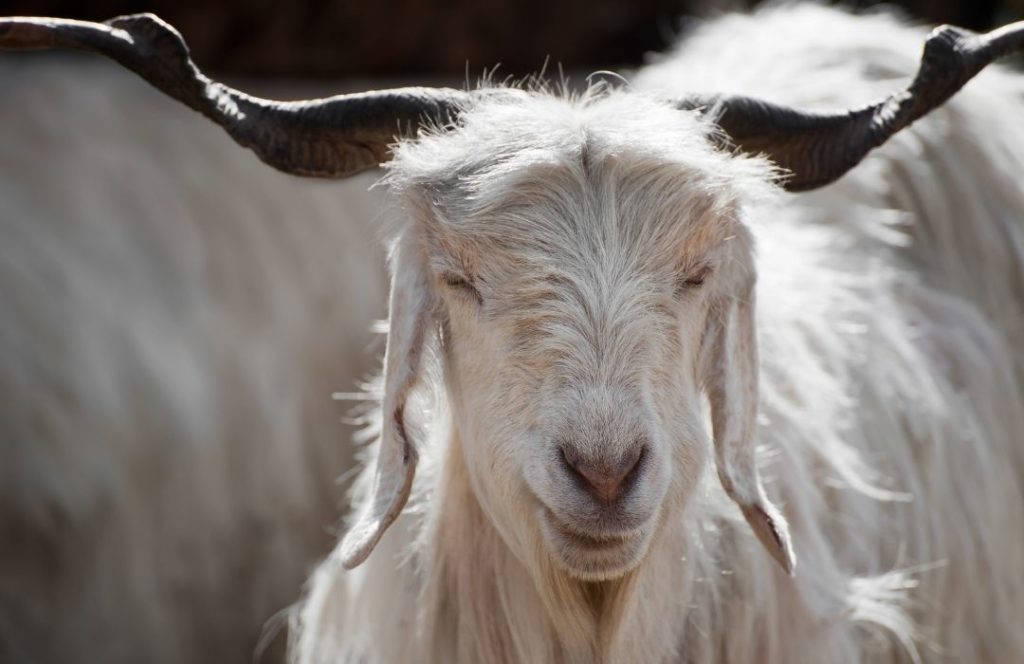
Cashmere is produced in countries like China (70% of the total production in the world), and Mongolia (20% of the total production in the world). The finest and best quality Cashmere is however found in Ladakh, which produces less than 1% of the total Cashmere production. The temperature, altitude and climatic conditions of Ladakh make the wool grow in its ideal texture and quality. This goat is found in the Changthang region of Ladakh, which experiences freezing temperatures in winters. As a defence, it grows the finest fleece as a down coat which helps it survive. This fleece is shed in winters naturally. It is collected by its herders, spun and woven to make luxury wraps or fabric for apparel.
Processing of Cashmere
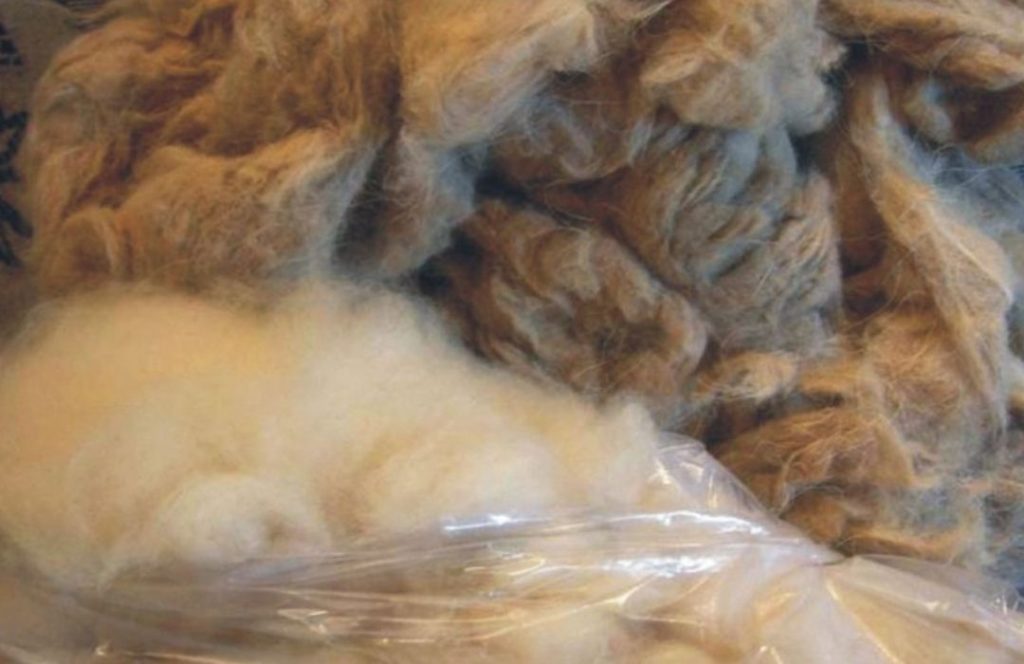
Ladakhi Cashmere is processed in Kashmir. It is cleaned, hand spun and hand woven to make luxurious apparel and wrap accessories, especially Cashmere scarves. The entire processing of Cashmere to prepare wraps or fashion outfits takes a few months to a few years. Post weaving, a Cashmere scarf is sent for finishing, where it is washed and ironed. If embroidery is required to be done over them, they are sent to embroidery artisans, who at times, take a few years to complete one shawl.
Processing is entirely done in Kashmir. Ladakh is indeed bestowed with this precious treasure, but as far as processing is concerned, Ladakh lacks the perfect infrastructure and artisans as well. On the other hand, Kashmir is blessed with traditional spinning wheels and hand looms, as well as artisans with decades-old experiences, which make the intricate work of Cashmere processing an easy task.
It is after months or at times years of continuous manual efforts that the high-priced Cashmere scarves are born. And if such a scarf gets damaged, the owners clearly get disturbed.
Why do Cashmere scarves shed?
Unfortunately, shedding is the basic nature of wool and cashmere. It's unlikely that you'll shut down the shedding process completely, but yes, you can keep it controlled. Wool or Cashmere have protein fibre from animals and hence shed necessarily. However, there are certain tricks to keep your Cashmere scarf from shedding, or at the least keep it controlled and reduced.
How do I stop my cashmere scarf from shedding?
To help keep your Cashmere scarf protected from shedding, you should fold up your scarf and place it safely in a ziplock bag. This bag should be placed in the freezer for at least 24 hours. This method will control the shedding problem, and you can wear the scarf afresh.
This method does not help stop the shedding once and for all. It will just help control the same for some time. Animal fibre scarves or outfits will be shed again and again, as this is an innate nature of natural fibres.
Shedding vs Pilling
Shedding certainly does not mean pilling, and pilling should not be taken as the shedding of Cashmere scarves. Even though both of these problems are the most common when it comes to Cashmere, they aren't the same. Pilling and shedding both occur when Cashmere comes in contact with other surfaces.
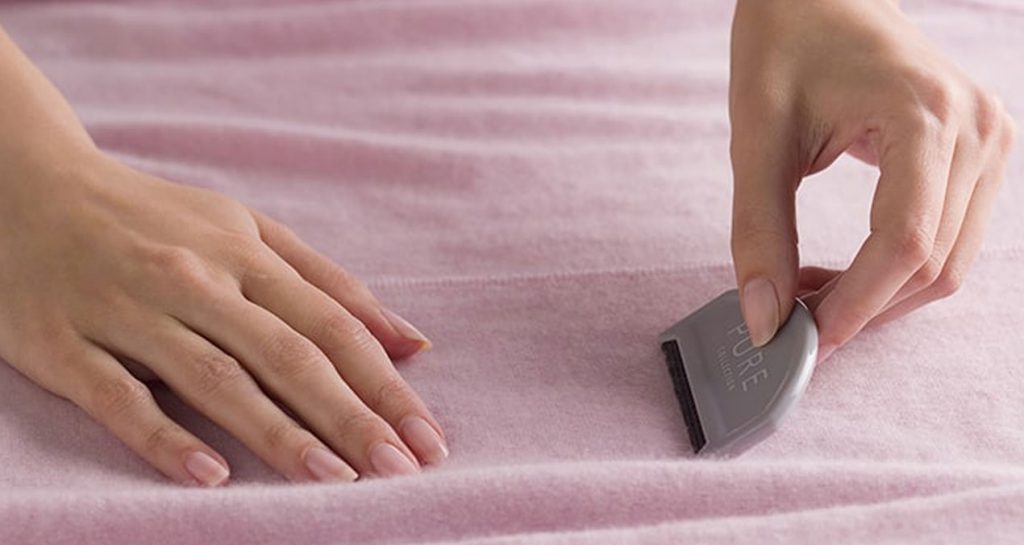
Bobbling, also known as pilling, refers to the process which takes place when fabric brushes against a surface and releases fibres that migrate to the fabric's surface. This forms tiny fibre balls which remain on the surface attached to it. Shedding, on the other hand, is the fibre being pulled directly from the fabric and captured by the surface that was brushed against it. The other surface will carry the fabric on itself.
Also read: CAN YOU IRON A PASHMINA SCARF?
Taking Care of Cashmere
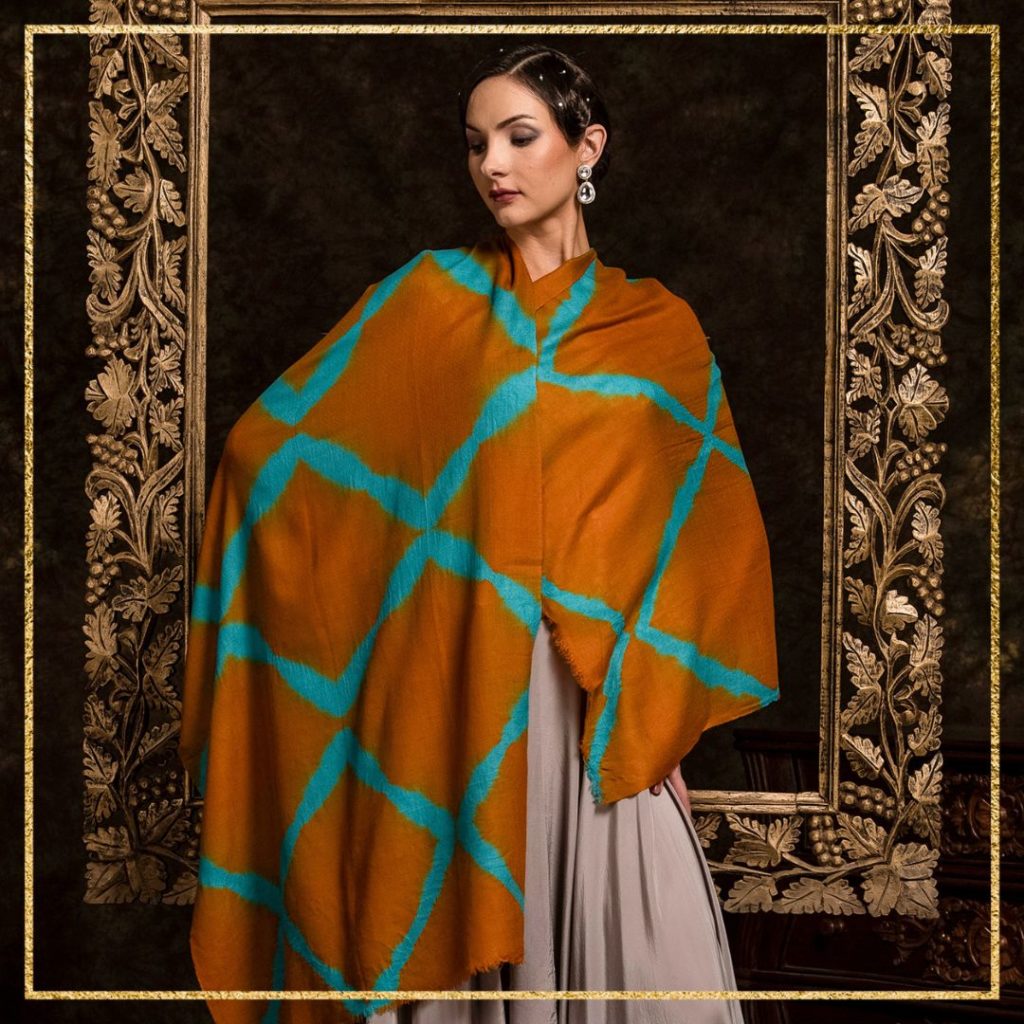
Cashmere is a fine and delicate fabric which needs special care. The way it is washed, dried, ironed and stored should be gentle. Cashmere scarves should be gently handled if one wishes to keep them for long periods of time. This includes handwashing, air drying, and professional ironing and storing them safely away from moisture and sunlight. This way your beautiful scarves will stay with you for an entire lifetime.
Also read: DOES PASHMINA KEEP YOU WARM?