Kashmiri Pashmina, renowned for its exquisite softness and luxurious feel, is a treasured natural fiber. In fact, it holds a special place in the world of luxury textiles. This prized material originates from the valleys of Kashmir, nestled in the Himalayan mountains.
Kashmiri handcrafted Pashmina, often referred to as "soft gold" is a luxurious and prized natural fiber originating from the valleys of Kashmir. Not to forget, Kashmir is nestled in the Himalayan mountains and is called the 'Paradise on Earth'. This exquisite material comes from the undercoat of cashmere goats. These goats produce fine and soft wool during the harsh winters to endure extreme temperatures. The exceptional softness, warmth, and lightweight feel of Kashmiri Pashmina have earned it a special place in the world of luxury textiles.
Skilled artisans of Kashmir dedicate their lives to preserving the legacy of this craftsmanship. They weave intricate patterns and designs using traditional handloom techniques. Each handcrafted Pashmina shawl becomes a work of art. Additionally, it reflects the beauty of Kashmir's landscape and the rich cultural heritage of the region. Adorned with intricate embroidery and embellishments, handcrafted Pashmina shawls continue to captivate fashion enthusiasts worldwide. Also, it represents timeless elegance and opulence that transcends generations. Through global recognition and appreciation, Pashmina remains a symbol of luxury. Moreover, it is a treasure to be cherished for its unparalleled beauty and craftsmanship.
Artisans of Pashmina
The true magic behind Pashmina lies in the skilled artisans. It is they who dedicate their lives to preserving the legacy of craftsmanship and tradition. In this blog, we will delve into the world of these artisans. Hence we will be exploring their artistry, dedication, and the intricate process of creating handcrafted Pashmina. Certainly, these luxury pieces are a timeless treasure that continues to captivate fashion enthusiasts worldwide.
The Roots of the Craftsmanship
The art dates back centuries, tracing its roots to ancient times. It was when skilled artisans meticulously wove this luxurious fiber into shawls and garments fit for kings and queens. Passed down through generations, the craftsmanship and techniques behind Pashmina production have remained largely unchanged. In fact, these have been a testament to the dedication of these artisans to preserving their rich heritage.
Also read: WHY PASHMINA SHAWLS ARE FAMOUS IN INDIA?
The Journey of a Shawl
Creating a Pashmina shawl is a labor-intensive process that requires patience, skill, and unwavering attention to detail. It begins with the collection of Cashmere, which comes from the undercoats of Himalayan goats during the spring molting season. Later, this collected wool is then hand-spun into yarn using traditional wooden spinning wheels. Certainly, this is a process that gives Pashmina its fine texture and exceptional softness.
The Magic of Handloom Weaving
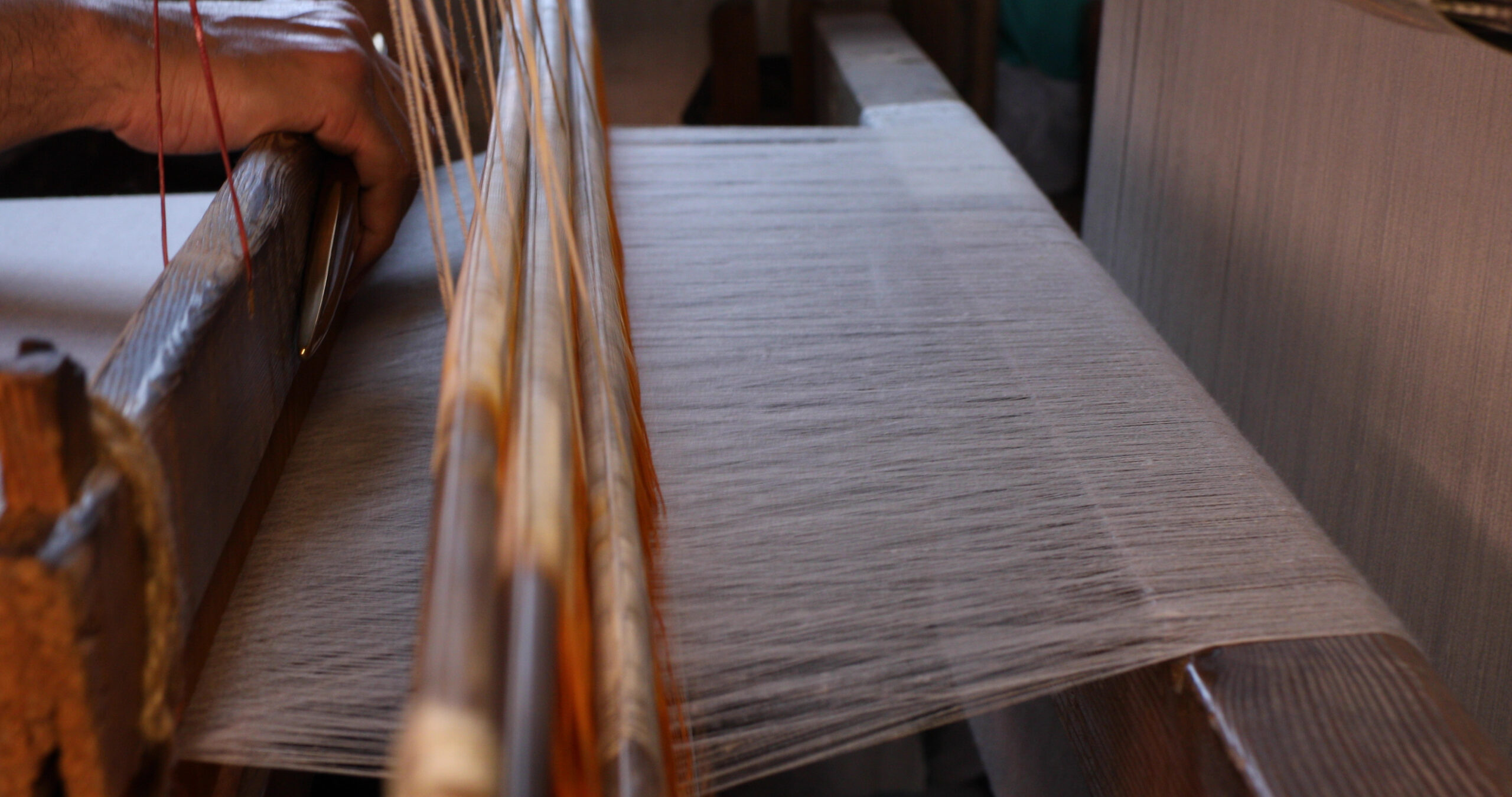
Once the yarn is ready, it undergoes a mesmerizing transformation through handloom weaving. The skilled artisans use wooden looms, meticulously interlacing each thread to create intricate patterns and designs. This delicate artistry allows for unique and exquisite patterns to emerge, making every Pashmina shawl a work of art.
Embroidery and Embellishments
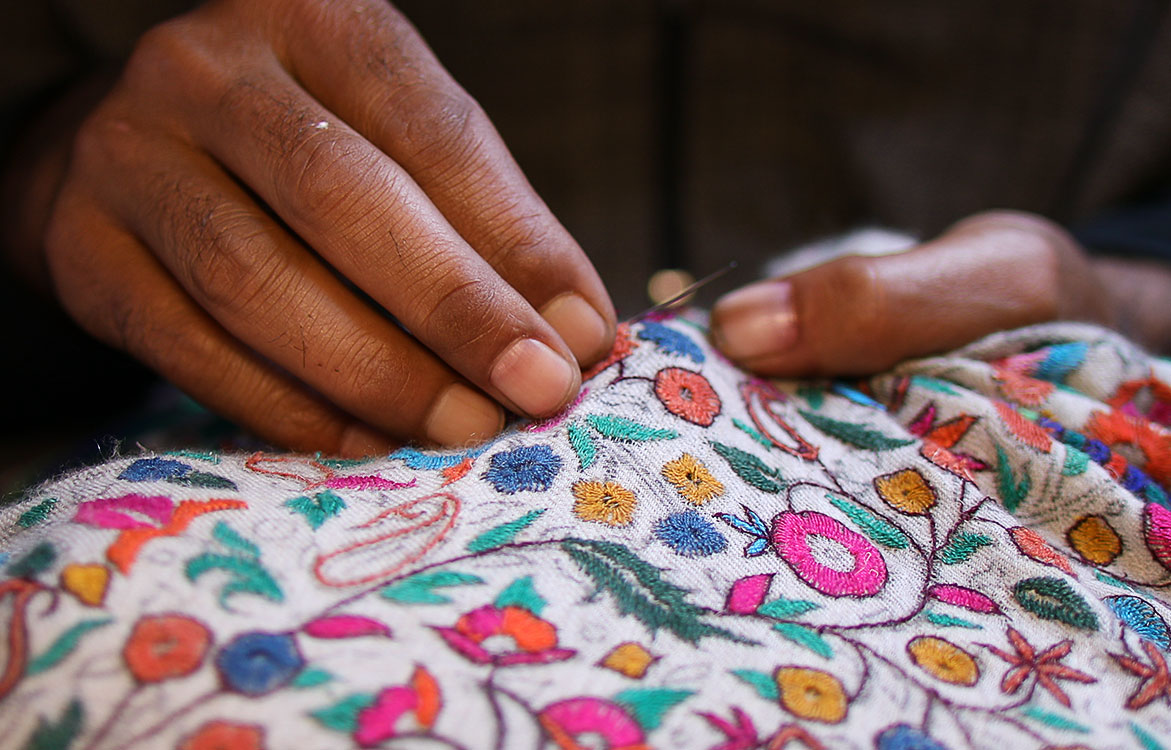
Many shawls are further adorned with intricate embroidery and embellishments, elevating their beauty to new heights. Hand embroidery, known as "sozni" or "tilla" work, involves using a needle and silk thread to create elaborate motifs and patterns. Undeniably, this delicate and time-consuming process adds an extra layer of elegance and sophistication to the shawls.
The Dying Art of Pashmina Making
The process of creating Kashmiri Pashmina is not only laborious but also a dying art. Unfortunately, the younger generation, tempted by modern pursuits, is increasingly turning away from this traditional craft. As a result, there is a growing concern about the sustainability of this ancient art form. However, various initiatives and organizations are working to preserve this craftsmanship. They do this by providing support and opportunities for the artisans to continue their traditional practices.
The Challenges of Pashmina Artisans
The artisans of Kashmiri Pashmina face numerous challenges in their pursuit of preserving their craft. Sadly, the availability of high-quality Cashmere has been diminishing due to various factors. These include climate change and overgrazing of cashmere goats. Additionally, the rise of machine-made imitations and cheap alternatives has led to a decline in demand for authentic handmade Pashmina.
Empowering the Artisans
Despite the challenges, efforts are being made to empower the artisans and sustain their livelihoods. Therefore, various organizations and cooperatives have been established to provide for them. These organizations provide fair wages, better working conditions, and training opportunities for the artisans. By creating a more sustainable and supportive environment, these initiatives aim to keep the ancient art of Pashmina craftsmanship alive for future generations.
Also read: HOW MANY HOURS ARE NEEDED TO MAKE A PASHMINA SHAWL?
Global Recognition and Appreciation
Kashmiri Pashmina has earned global recognition and appreciation for its exceptional quality and craftsmanship. It has adorned the shoulders of celebrities, royalty, and fashion icons, becoming a symbol of timeless elegance and luxury. The artisans' dedication to their craft has led to the proliferation of Pashmina products in international markets. Hence this allows people around the world to experience the beauty and comfort of this exquisite fiber.
Conclusion

The artisans of Kashmiri Pashmina play a crucial role in preserving a legacy of craftsmanship and tradition that spans centuries. Their artistry and dedication are evident in the exceptional softness, intricate patterns, and exquisite beauty of each Pashmina shawl they create. By empowering these skilled artisans and supporting their traditional practices, we can ensure that the magic of Kashmiri Pashmina continues to enchant and captivate generations to come, keeping alive the rich heritage of this timeless treasure.
Also read: PASHMINA SHAWL AS A LEGACY OF KASHMIR