Pashmina accessory is the epitome of fashion and luxury. Wearing a masterpiece is always a form of defined beauty over your presence. Pashmina craft showcases several styles and designs specifically to elevate the luxury around your being. Among all the designs, artisans create a one-of-a-kind luxury called Kani Pashmina, native to Kashmir Valley. Thus, skilled artisans of the valley craft the accessories in a certain specific way in the Kani Pashmina design within Pashmina Craft.
The Kani Pashmina originated in the era of 3000 B.C. Mughals have been into its intricate designs and exquisite presence from that century. The Kani word belongs to the parlance of the Kashmiri language where it has roots in the place of Kanihama, Ganderbal. Moreover, the name also belongs to the meaning of small twig-like sticks in the local language called Kanis. Before knowing the ways to wear this luxury, one needs to understand how artisans craft a Kani Pashmina Shawl.
History of Pashmina Craft
Pashmina, the crafting of the finest Cashmere has a unique journey. It dates back to the 15th century in the Kashmir Valley of India. The footprints of a saint Mir Syed Ali Hamdani from the Middle East came to Kashmir with 700 craftsmen to adorn the beauty of the valley and to spread the holy message. The saint landed its appearance on Changthangi Mountain in Ladakh. While perceiving nature, he locked his eyes on the Goat of marvellous wool. Awestruck with the softness and fineness of the wool, he made socks out of it and gifted them to the Sultan Zain-ul-Abideen of Kashmir Valley. Perceiving By the beauty of Cashmere wool, suggested making an industry that cultivates Pashmina Art in desirable styles. In addition, the name Pashmina, derived from the Persian word, pashm, meaning "the soft gold" is exquisite in being.
The craft of Pashmina reigns in the beauty of Kashmir since the 13th century as it is gift from the saint of Persia who discovered the rare species of Goats in Changthangi. He entailed the luxury of Pashmina Craft in Kashmir. Afterwards, the royals adorned the Craft of Pashmina. It is an art that prevailed through centuries proving its legacy all over the world including European aristocrats and Armenian merchants. For centuries, Europeans were the largest owners of Pashmina accessories. French empress Josephine owned more than 400 Kani Pashmina Shawls from Kashmir to supplicate her beauty with luxury. In India, the Mughals had a great affinity with Pashmina Craft. Also, Emperor Akbar had such a fondness for the Pashmina shawl that he gave it an admirable nickname, "parm-narm" meaning “supremely soft”.
How do they procure Cashmere?
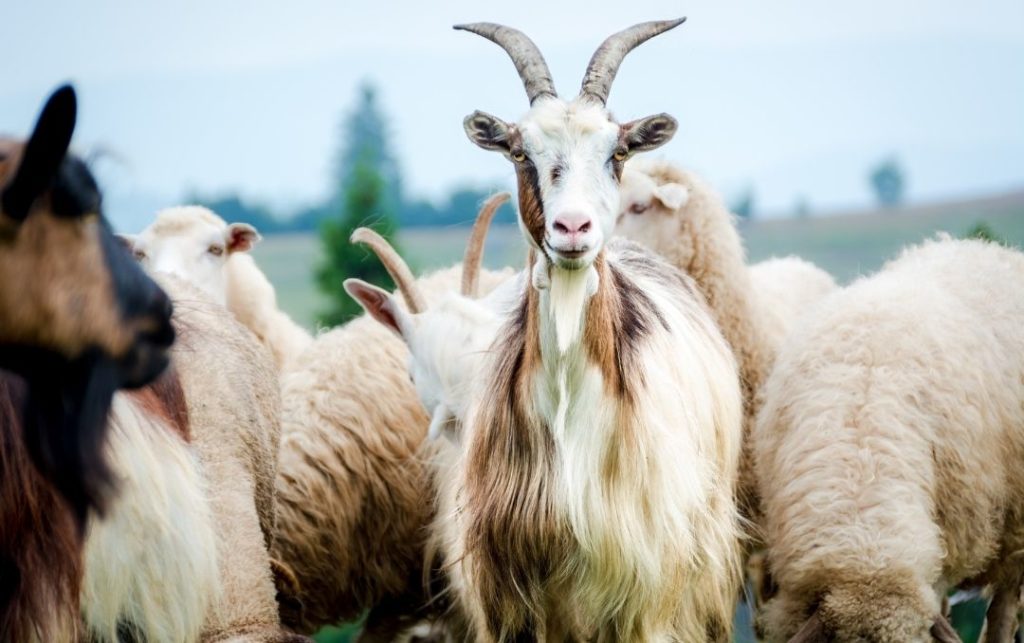
From the Changthangi mountain, the beginning of the journey starts. There is the dwelling of rare species of goats called Changra Goats. The tribe of Changpa mainly herds the Changra goats, which are medium-sized goats with two twisted horns. In the Changthangi region, the temperature goes to -40°C in winters. Thus, the Changra goats develop an undercoat of thick wool over their bodies. Thus, protecting themselves from the harsh climate. The wool is thick and soft. It is called Cashmere wool. The Cashmere wool of Ladakh is the finest among all the production of Cashmere wool. Also, there are several breeds of goats that produce cashmere wool. But, the finest among all is the Ladakhi Cashmere wool.
Crafting in Pashmina
Pashmina Art is the crafting of the finest Cashmere wool in the sphere of heritage and artisans in Kashmir. The crafting leads to explicit accessories that speak of luxurious fashion in diverse ways. After the tufts of wool reach the Valley of Kashmir, artisans clean and soak the wool. This signifies the beginning of Pashmina Art. Further, they dry the cleaned and soaked wool in nature to preserve the essentiality in its natural form. Local households of the Valley receive the cleaned and dried Cashmere wool. There begins the next step of Pashmina Art, Spinning. Spinning is the translation of fine Cashmere wool to finest Cashmere yarn on a wooden wheel called yinder. Spinning is mainly done by the womenfolk of the Kashmir Valley.
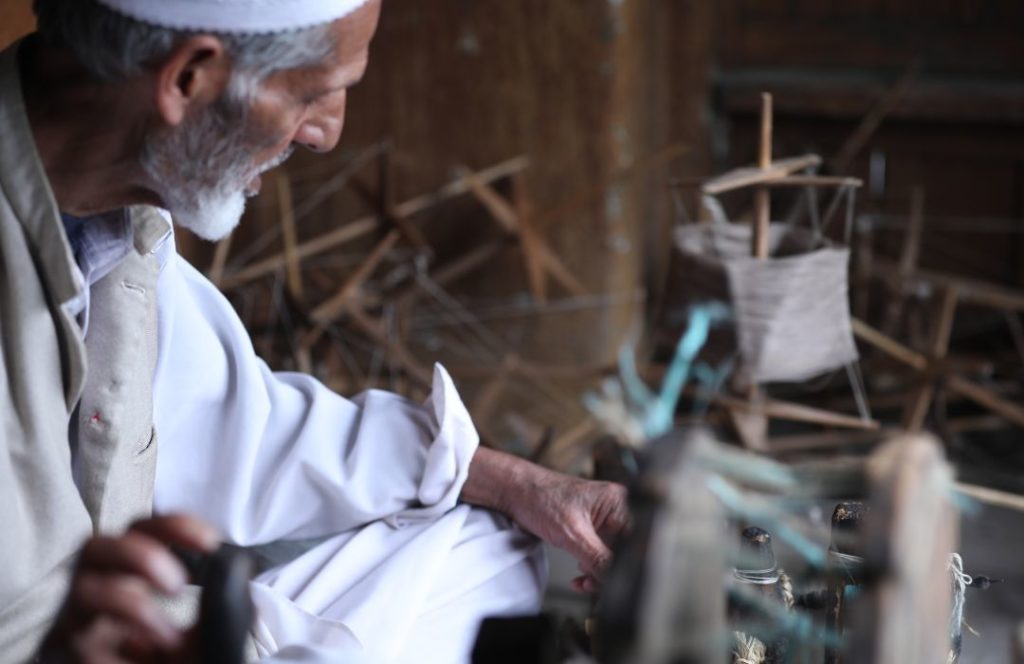
Moreover, the unique definition of Spinning is acquainted with the essence of precision and diligence. In addition, the Cashmere yarn thus produced confers to the purest and finest yarn of 12 to 16 microns. Thus, the finest Cashmere yarn moves further in the procedure radiating the Art of Pashmina.
After the process of Spinning, the process of transforming Cashmere yarn into fine Cashmere fabric begins. It is done by the process of Weaving. It is the translation of Cashmere yarn to Cashmere fabric. Therefore, the weavers of the Kashmir Valley profoundly weave the fine yarn into the fine fabric on the handloom made of forest wood. The process of weaving is to use Cashmere yarn to create warps and wefts. Thus, producing a whole fine Cashmere fabric. Therefore, they give the produced Cashmere the required dimensions. Thus, artisans craft diverse styles like Cashmere Scarves and Pashmina Shawls.
What is Kani Pashmina?
The weavers have the desire and skill to sustain their survival and to create a fashion of Kani Shawl. The weaving is preceded by the Kanis are the wooden sticks of hand size made of forest wood known as “poss tul”. Therefore, the Kanis have a colourful thread around to present their wefts in an already warped Shawl. The weaving begins by using the spindles of the colourful threads around the Kanis. Therefore, the intricate weave of Kani appears in the light of luxury in the Art of Pashmina.
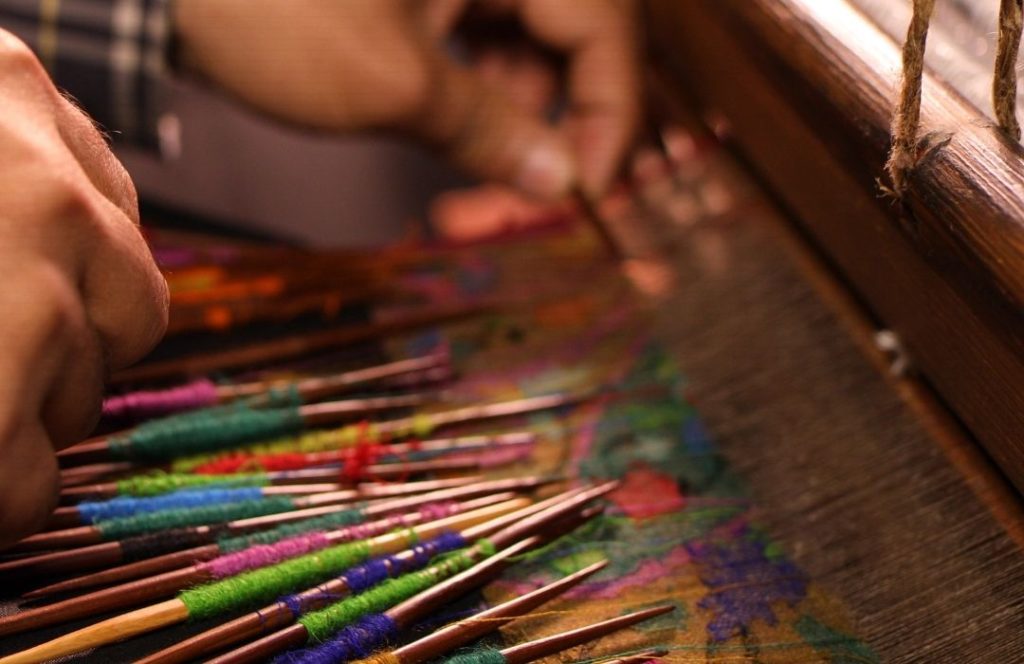
The weaving of Kani Pashmina is not the simple weaving usually done in Pashmina Art. Also, it is the most intricate weave that performs with the Kanis or small twigs creating a marvelous design on the finest Cashmere base. Kani Pashmina weavers do not perform the simple weaving usually done in Pashmina Art. They create the most intricate weave using the Kanis or small twigs to form a marvelous design on the finest Cashmere base. Before commencing the weaving, artisans apply a specific pattern on graph paper to the Pashmina Shawls, unlike other styles of shawls where the base imprints the patterns. The artisans read and understand the codes and start the weaving process with precision.
Weaving of Kani Pashmina
The fine Cashmere fabric reaches the handlooms in local workshops/karkhanas. The weaving begins by whirling the colorful threads around the Kanis making small spindles. Moreover, the artisans skillfully do the weave with their hands. They work on the handloom by using their hands to move their spindles of threads accordingly. Moreover, artisans use a particular number of Kanis for the weaving of one Kani shawl. Around 70 to 100 Kanis go into the design of one Kani Pashmina Shawl. Also, the arrangement of the Kanis on the shawls and the high skill of artisans perform meticulously to create the intricate designs.
Legacy of Geographic Indication
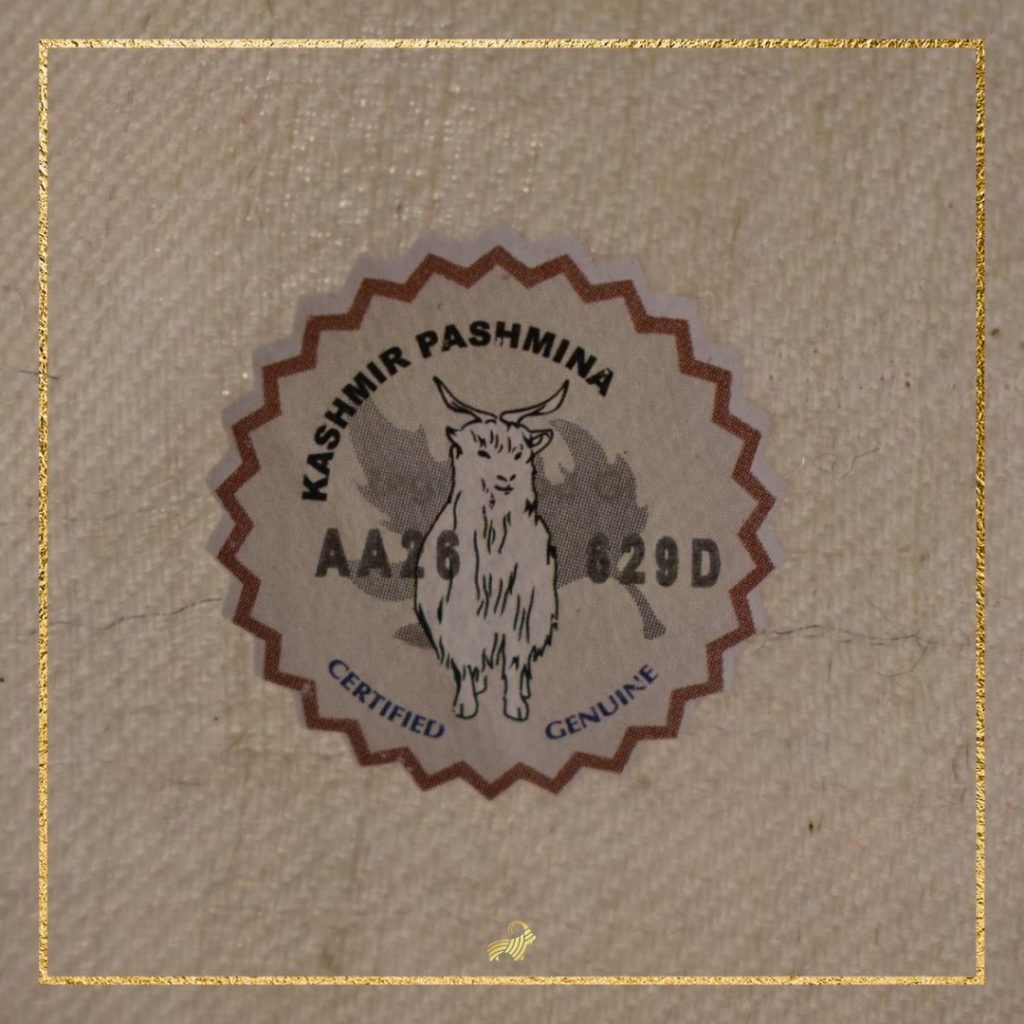
Pashmina's wealth is the epitome of elegance. The only website offering premium pashminas with GI (Geographic Identification) authentication from the Ministry of Textiles to guarantee the superior qualities of hand-woven and hand-spun yarns is Pashmina.com. Different processes are carried out to verify each Pashmina's quality. The lab designated for testing pashminas is where the accessories made from pashminas are put to the test. Also, they verify that the Pashmina is hand-spun and hand-woven in Kashmir through inspection. Additionally, they test the Pashmina only using technical methods in order to offer the authenticity certificate known as GI.
A geographical indication (GI) identifies a token affixed to goods that originate in a particular region. A specific sign identifies a product that a manufacturer produces in a specific location to obtain a GI. Furthermore, geographic identification grants the place's handicraft the exclusive right to manufacture; this implies that no other party may be qualified to produce the good. As a result, the Craft Development Institute (CDI) in Srinagar's Pashmina Testing & Quality Certification Centre handles the GI authentication of Pashmina. The Indian government oversees this lab. Also, certification is granted following appropriate testing and inspection of each Pashmina accessory.
Ways to wear your Kani Pashmina Shawl
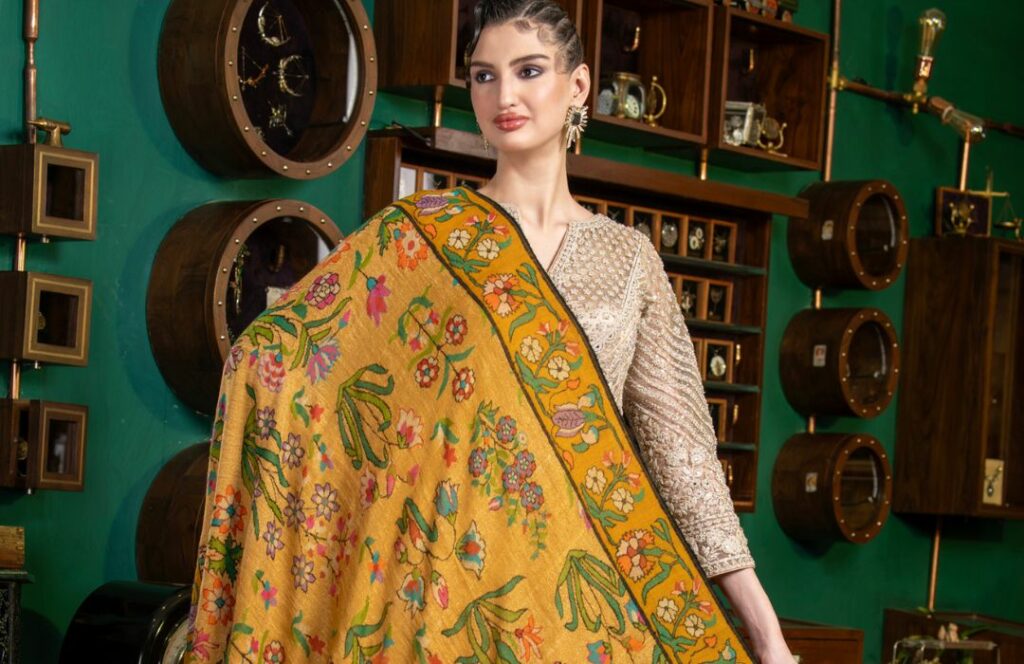
The pinnacle of traditional Kashmiri workmanship, Kani Pashmina, is evidence of the region's great artistry and legacy. Kani Pashmina shawls, which are well-known for their elaborate handwoven patterns, are made with an exacting method that entails carefully weaving each vibrant thread into the cloth to produce stunning patterns. These opulent shawls, which frequently have geometric, floral, and paisley patterns, are the result of centuries-old weaving customs that have been handed down through the years. The wooden needles used in the weaving process are where the word "Kani" originates. It is more than just wrapping yourself in warmth when you wear a Kani Pashmina; it is a living historical piece that combines exquisite craftsmanship, cultural depth, and classic beauty to capture the spirit of Kashmiri artistry.
There is often a question how do we wear a Pashmina? The answer is very simple. Take your any Pashmina style or design and experiment with the ways of wearing it to uplift the fashion statement.
1. As a Head Gear
All you have to do is take your Kani Pashmina Shawl and wrap it around your head in a way a light turban is created. This look can go well with Western attires. Adding some bold makeup will also uplift the look manifold.
2. The Elegant Encase
Take your Kani Pashmina Shawl and wrap it around your whole upper body in a way that the intricate designs on the Kani Pashmina will enliven your presence. This look adds up the required warmth as well as pulls up the style of luxury.
3. The side robe of Kani Pashmina
Take your Kani Pashmina and fold it horizontally in length and drop it on one of your shoulders and leave it there for the elegance and luxury it creates for you. The vividness of designs will reflect the luxury of Pashmina Craft on you.
4. The Simple knot of Kani Pashmina
All you have to do is take your Kani Pashmina Shawl and fold it lengthwise drape it around your neck and form a knot-like your neck. The looks go great with casuals, formals, and semi-formals. This look will also provide adequate warmth around your neck.
5. Kani Pashmina with a Belt
The Kani Pashmina shawl can be folded lengthwise to make a band that is thinner. Secure it across your shoulders by encircling your waist with a chic belt. This look is perfect for giving a basic ensemble a hint of refinement. It is appropriate for semi-formal and casual events alike.
6. Caped Kani Pashmina
The point of the Kani Pashmina shawl should hang down your back when you wrap it over your shoulders in a triangle shape. To create a loose, flowing poncho impression, secure the two ends in front. This outfit is perfect for laid-back get-togethers because it exudes a carefree, boho atmosphere.
7. Chic Shoulder Drape
Bring the other end of the Kani Pashmina shawl around your back and bring it forward to drape over the other shoulder after letting one end fall over one shoulder. Depending on the rest of your ensemble, this asymmetrical shape can be worn casually or to more formal occasions.
8. Crisscross Style
To create a crisscross look, cross the ends of the Kani Pashmina in the front and bring them to the back. For a fashionable and distinctive appearance, fasten the ends with a pin or knot.
9. Kani Pashmina Shrug
With the ends hanging down your back, fold the Kani Pashmina in half lengthwise and wrap it across your shoulders. To make the ends look like a shrug, fasten them with a decorative pin.
10. The Braid of Kani
To create a textured and elaborate appearance, braid the Kani Pashmina. This gives your ensemble a unique twist while showcasing the lovely designs.
Try out different styles to see which works best for your attire and personal style. Therefore, because of their adaptability, Kani Pashmina shawls let you style numerous appearances for different situations.
Also read: How to tell if a Pashmina is real or fake?