Pashmina shawls have different meanings for different individuals. For today's women, who are patrons of luxury, Pashmina shawls are the accessories that they wear to the finest of occasions. Carrying these on their shoulders enriches their already perfected looks. For a woman who is aware of the history of these shawls, Pashmina is a feeling of belongingness. However far a person is from his land, a Pashmina shawl on his shoulders, kind of, call them back; even if all they can do is reminisce about home.
But for the women of yesteryears, the shawls were a significant part of their lives. These shawls uplifted them in their worst times, survived them through the darkest times of their lives, and made them independent when the world wanted otherwise. In whichever way, Pashmina shawls stood the test of time. Hence we call the glory of this art an everlasting glory that deserves our attention, love and immense reverence.
How much do you know about a Pashmina shawl?
The family heirloom shawls made from Cashmere wool are immensely fine and gossamer. The finest Pashm growing on the Ladakhi goat undergoes a manual processing to become Pashmina shawls. Hence as a result of the most elaborate craftsmanship, a Pashmina shawl is born. The admiration and appreciation these shawls get are flaunt worthy. These vintage pieces have history to grandstand.
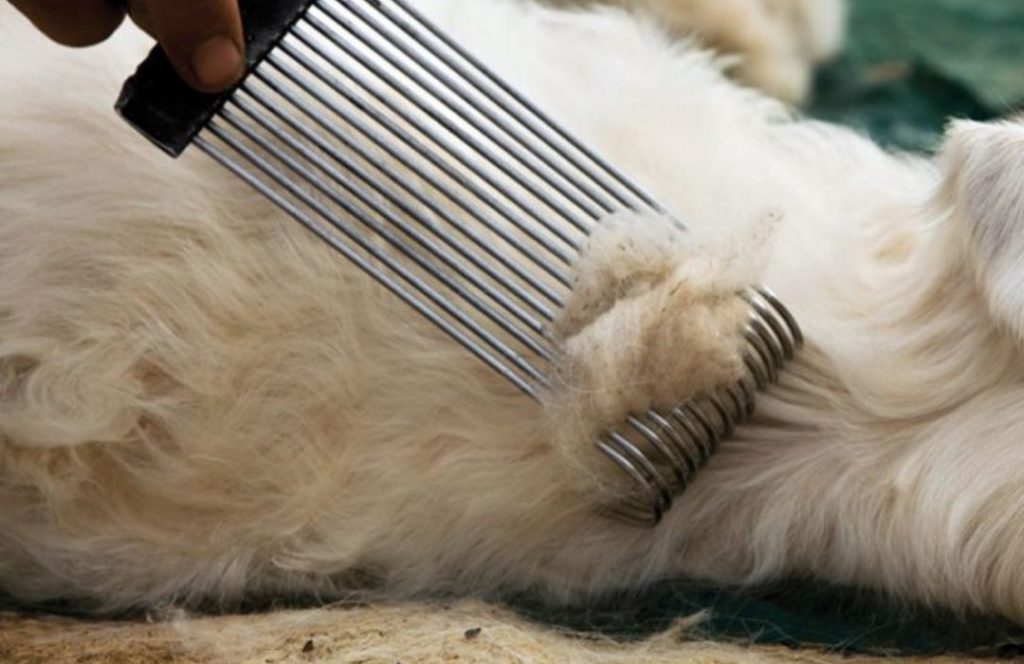
Pashmina shawls come from processing the hair of a Ladakhi goat. Workers carefully acquire the wool from the animal by gently combing it off their bodies. This prevents the animal from getting hurt, as well as maintains the fine texture and quality of the hair. Workers then then spin and weave his delicate fibre manually and hence converted to opulent shawls. While during their inception, shawls were either solid, embroidered or Kani woven, modern times have seen shawls with the French Chantilly laces or Swarovski Crystals attached to them. These contemporary looks further accentuate the timeless status of Pashmina shawls and make them more swoon-worthy than before.
Pashmina Shawl: A Treasure in History
It was the time when Mughals conquered Kashmir in 1586, that Pashmina came into existence; it was under the rule of King Akbar. But during this time, people used Pashmina shawls less for domestic use and more as a commodity. The shawls were indeed the most luxurious accessory for men and women alike, but rulers used it as ‘khillat’ (royal gifts), and honoured visiting guests from other nations.
Owing to the patronising of Pashmina shawls by Mughals, many shawls were named after them. For example, designs like the Shah Pasand (King’s choice) and Buta Mohammed Shah (Mohammed Shah’s Flower) were named after the said kings during their respective rule. Soon the popularity of Pashmina shawls began spreading and never remained restrained to just one nation. Rulers of neighbouring countries too used these shawls as ‘Khillat’, exactly like the Mughals did. However, it was only after the valorisation of the Europeans that the shawl got its well-deserved place in history.
Why Europeans loved Pashmina?
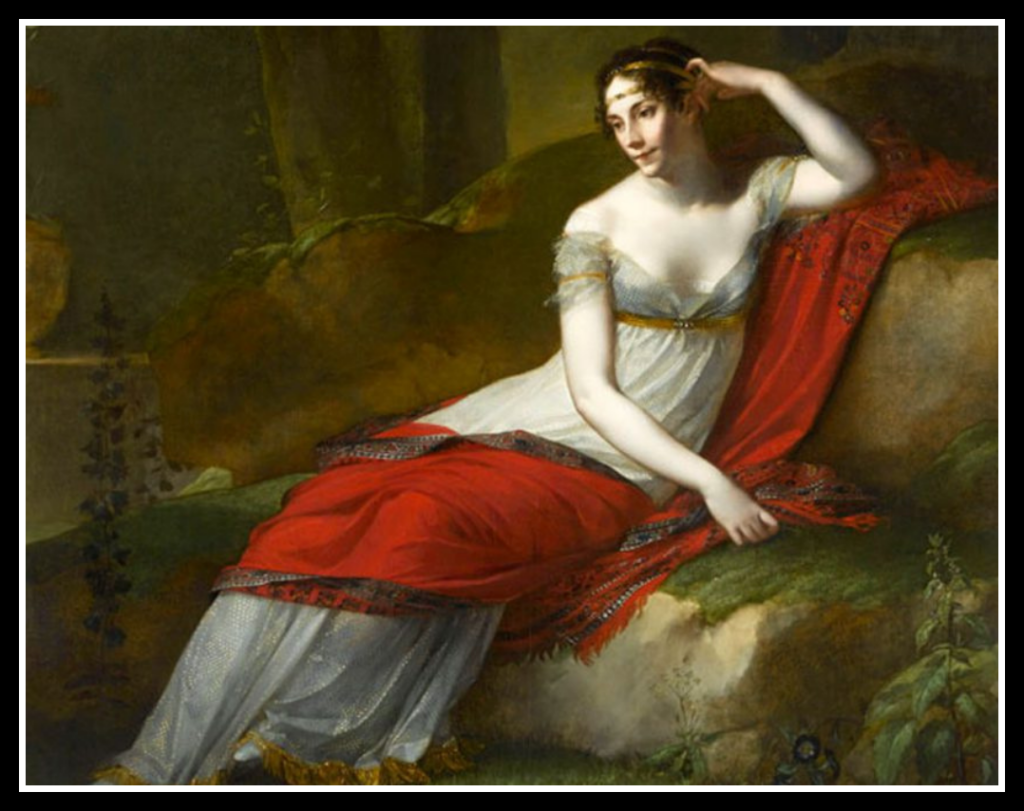
It was after the French Emperor Napoleon brought a Kashmiri Pashmina shawl for his wife after he retired from an Egyptian campaign in the 18th century. Empress Josephine in return patronised the shawl so much that it became a symbol of luxury and style in France. In fact, in the 18th century, affluent Europeans began giving their wives a Pashmina shawl as a part of corbeille de mariage (a gift basket given by the groom to the bride upon the signing of the wedding contract). The shawls became the most worn accessories, especially amongst the rich royal class of Europe. The women believed that they looked their best while wearing these soft and graceful wraps.
The finesse, softness and exquisite warmth of Pashmina shawls capture the attention of the East India Company too. The officials of the East India Company used to visit Kashmir and see for themselves the sheer elegance that these shawls exuded. Britishers made it a habit to visit the valley, and understand the complex procedures that went into making Kashmiri shawls. Women in the Mid-Victorian period began to use Kashmiri shawls in their day to day life. It was believed that if a woman wore a Pashmina shawl, she would unquestionably be considered an affluent one. Hence these luxury shawls were the most powerful indicator of social status.
Also read: The Craze for Cashmere in 19th-century France
Imitations of Pashmina Shawls in Europe
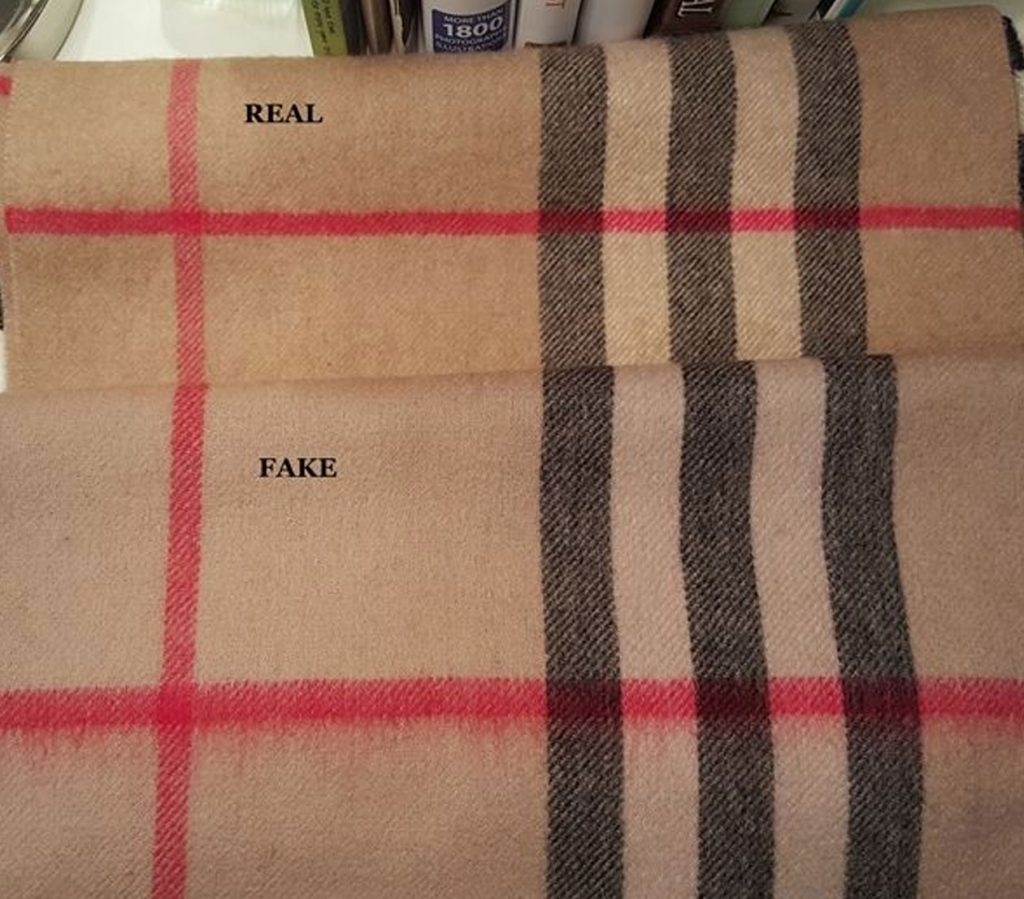
This fame and acclaim for Pashmina shawls in Europe lead to its fake imitations. These imitations were cheap, and hence gained a lot of impetus in ancient times. Women especially invested in these cheap products and wore them exactly like the original Pashmina shawl. The British even demanded 12 goats from India to be transported to their nations. In fact, it is believed that a few goats were sneaked and kept in similar conditions as there are in Ladakh (J&K), where the Pashmina goats reside. But these stolen goats could not produce fine Cashmere-like in their own habitat, and this evil plan hit the bottom.
Also read: What is the price of Real Pashmina shawl?
Pashmina for Us
As ardent fans of Pashmina, we would write a hundred books about it, and still think that justice has not been done to its heavenly essence. Pashmina shawls aren't just regal accessories for the rich but have a history of uplifting underprivileged women in the past. There are women whose families have survived because of spinning Cashmere yarn for making Pashmina shawls.
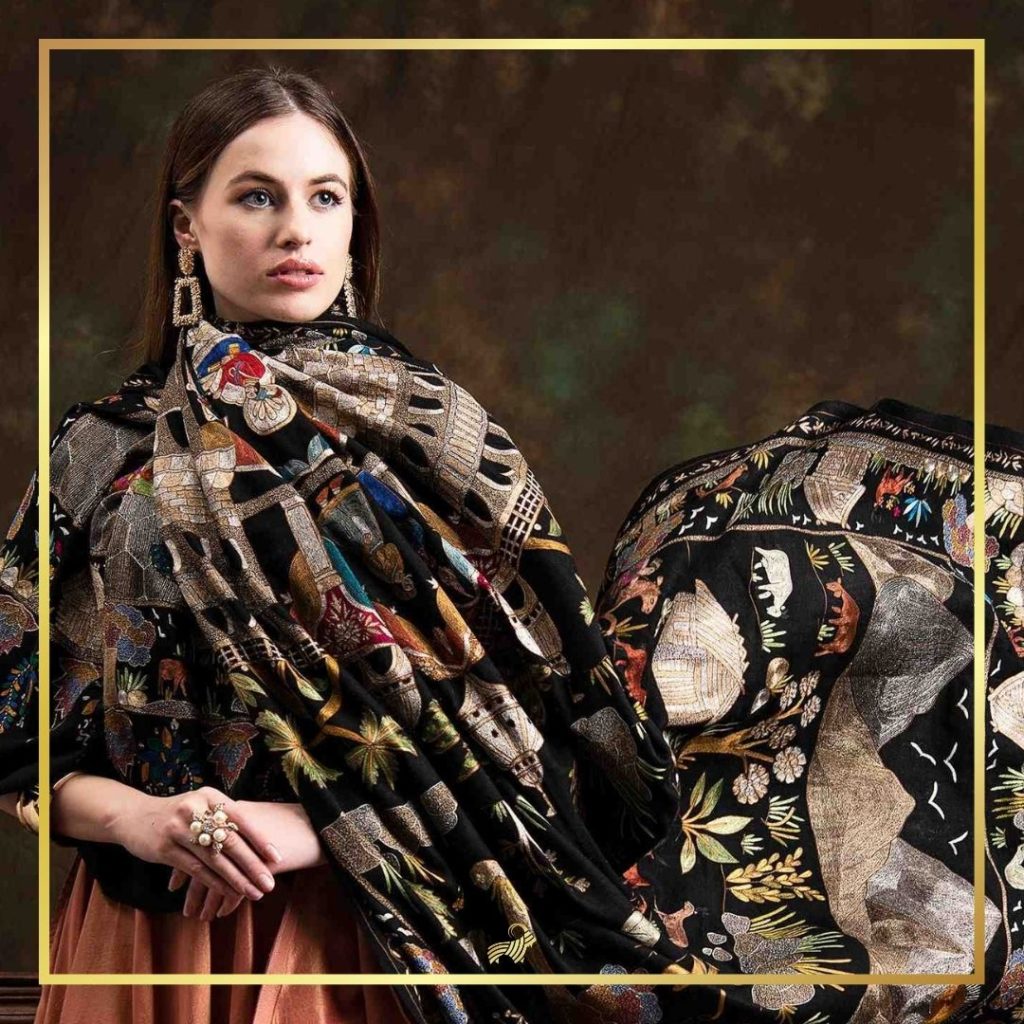
When these shawls were exchanged as commodities with the British, these became major sources of income for the community. Even today, a large portion of society is fully dependent on Pashmina shawls for their living. These are usually owners of handlooms who weave shawls, or the embroidery artisans who hand embroider Pashmina shawls. Hence, other than being our favourite piece of clothing for its looks and feel, Pashmina is our loved and revered wrap for the way it has contributed to its makers, hometown and the country as a whole. Indeed, Pashmina shawls are like Proust's Madeleines for Kashmiri women who have had the first-hand experience of its glory, decline and major ups and downs. And the love we give it is perhaps in return for what it has been doing for us for centuries