The ice desert of the world “ Ladakh” houses a rare goat, which produces Cashmere - one of the finest hairs in the world. The best of its kind, the hair is used in making high fashion apparel and wraps.
Every year, when unforgiving winds and chill surround the areas around the Himalayas, it is the thick and warm coats of the animals which protect them, in fact, help them survive. Goats, antelope, yaks, sheep, and more animals grow fine fibers over their bodies, which help them fight the minus 40 degrees Celsius temperature around. But the hair doesn't last long, as Spring is the molting season, which causes several changes in the body of the animals, and the hair falls.
It has been centuries since this hair has been combed off the bodies of these animals and used for human consumption. The animals are all domesticated, and hence it becomes easy for the herders to acquire their wool without any force. It is just the Tibetan antelope and Vicuna which have not been able to get domesticated till now.
What is Cashmere?
Among the warm body coats of all the animals that roam around the Himalayas, it is the goats whose hair is the most precious and prized. Goats grow Cashmere, and this helps them survive the rigid conditions around them. Among all the Cashmere producing goats, the Changthangi goat of Ladakh is believed to produce the best quality. This is the one that is used in the world-famous Pashmina shawls of Kashmir.
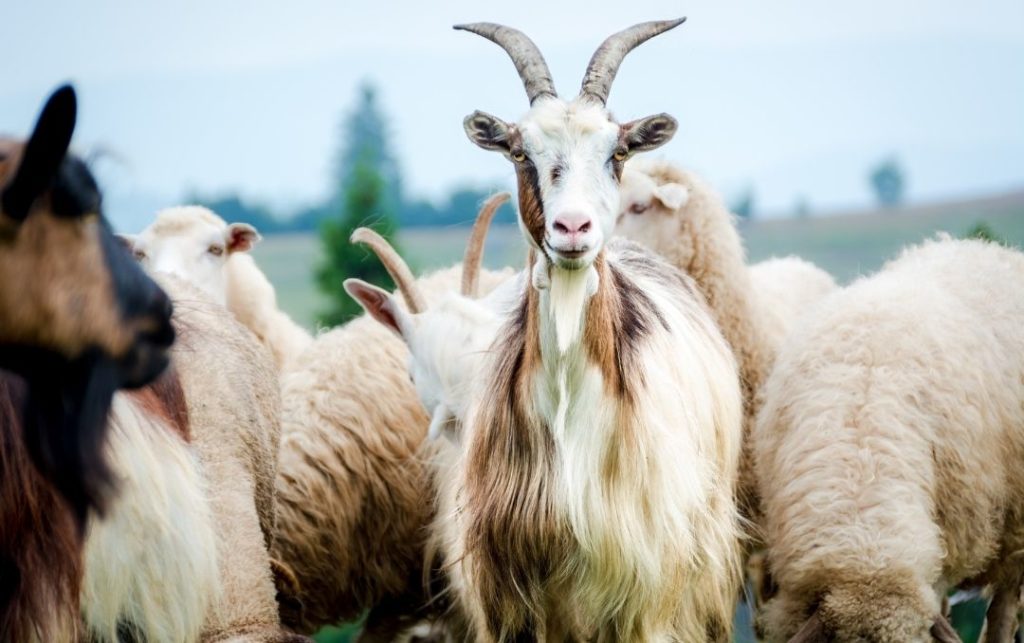
Cashmere comes from the body of the Capra Hircus goat, found in the region of Changthang-Ladakh. Changthang is Tibet’s large northern plateau which extends from the Chinese province 1600 km into the southeast corner of Ladakh. The goat is, hence, called Changthangi goat locally. Around the world, it is known as the Cashmere goat for its production of the world's finest wool. The best quality comes from this Ladakhi goat, as it is the finest, warmest, and softest owing to the conditions around the region.
Procuring wool from the goats
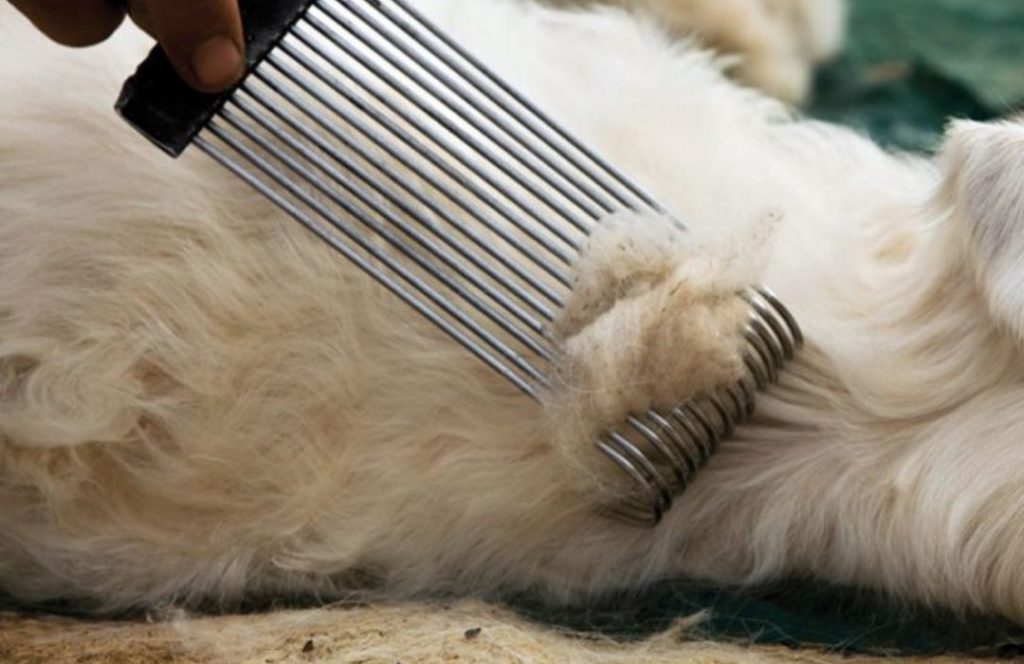
The goats are domestic animals, and hence do not need force to get their fine body hair. As soon as the Spring season arrives, moulting takes place, and the goats lose some of their body hair naturally. The Peak summer season makes goats fairly uncomfortable, and hence herders comb their bodies gently. This rids them of the burden, and they roam free around. The wool is collected and packed in small packets.
The collected wool is sent to Kashmir for processing, where artisans with decades-old expertise and skill await.
Processing the wool
Cashmere is processed in Kashmir, which starts with cleaning the fibre acquired from the goat. The process is manual and hence tedious. The fibre has to be picked one by one and cleaned thoroughly. Post cleaning, the fibre is sent for spinning, which is done over a wooden spinning wheel by women. Handspun fibre is just 12 to 16 microns in thickness, which is about one-fourth of human hair. Spinning transforms piles of thin short hair into long threads. These are so fine that at times they aren't visible to the eye if lying on the floor.
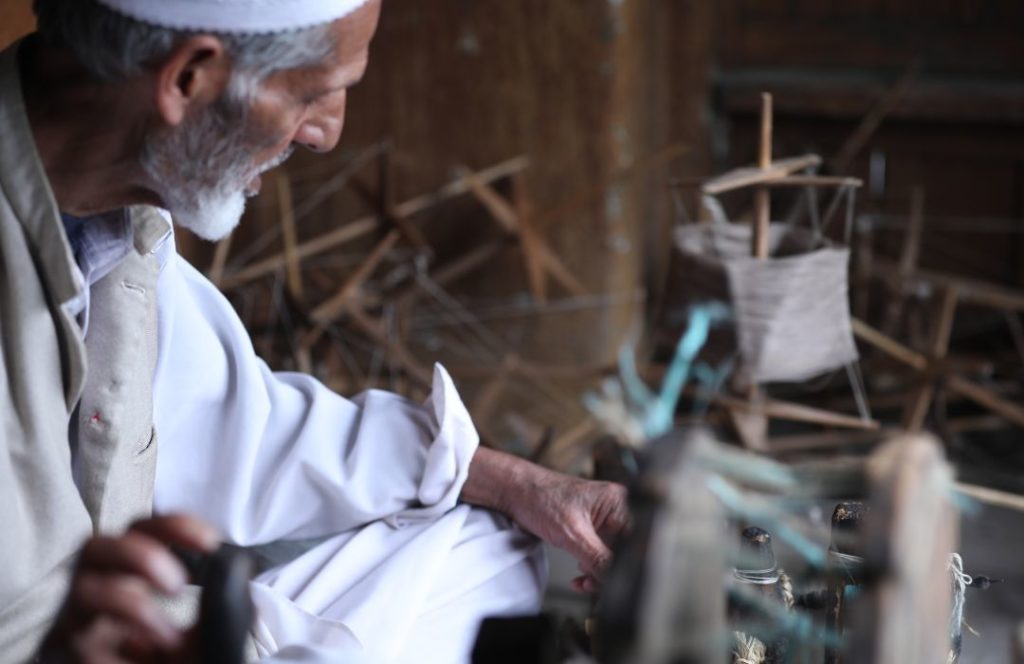
Post-spinning, Cashmere threads go for weaving. The weaving process starts with stretching the spun thread. Then it is mounted on a wooden handloom, which is indigenous to the Kashmir valley. The handloom requires 2 or 3 men to spend the entire day on it, weaving the fibre inch by inch. After 3 to 4 days, fibre turns into the fabric. It can be a large wrap, a shawl, a scarf, or plain fabric which can be later used to make apparel or accessories. This ends the processing of Cashmere.
At times, Cashmere fabric needs embellishments. This is done post-weaving. Embroidery, printing, patterning, lacing, or any other adorning of the fabric is done by specialist artisans who master these art forms.
Is Cashmere the best?
As soon as winter starts, women and men alike, begin to look for warmer clothes and wraps. In such situations, it is either wool or Cashmere that women prefer to buy. Both have their own pros and cons, and it entirely depends on the user’s preference, whether he buys cashmere or merino wool clothing.
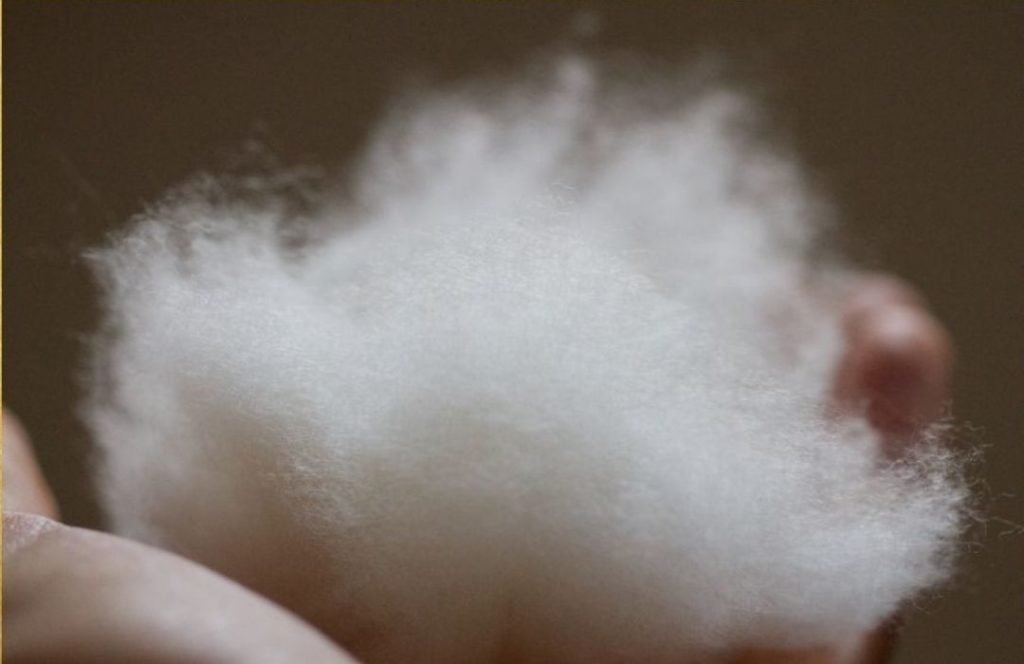
While merino wool is thicker and a bit heavier than Cashmere ones, the latter provides 8 times more warmth in the lightest of weight. A large cashmere shawl is just 400 to 450 grams in weight but provides immense warmth in the chilly winters. On the other hand, merino wool garments and wraps are sturdy, and not delicate. They bear all the wear and tear of winter and are even easy to wash, dry, or store. On the contrary, Cashmere needs careful handling, washing, storage, and use.
Also read: DO VEGANS WEAR CASHMERE SCARF?
Is Cashmere high quality?
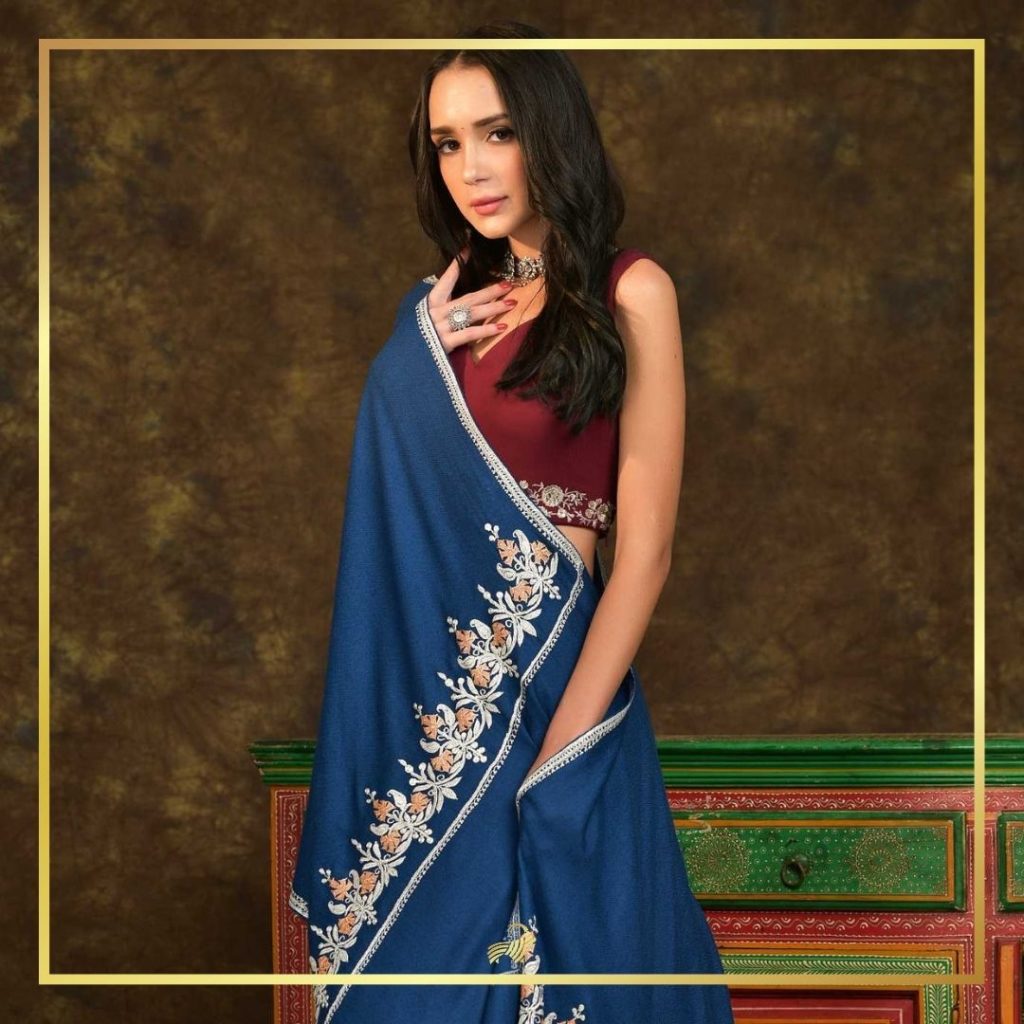
Cashmere is considered the best quality wool, because of the less micron count of its fibre (12 to 16 microns only). It is warm, lightweight, and graceful to wear. Cashmere too has a number of varieties depending upon which Capra Hircus goat it is acquired from. If your Cashmere wrap has been made from the fine wool of Ladakhi Capra Hircus, then you are wearing the best quality Cashmere sweater. Other than this, China, Mongolia, Iran, Afghanistan, and Pakistan too produce Cashmere garments that are not of such a superior quality. They have a higher micron count, which makes the final product thicker than the Ladakhi Cashmere product. Ladakhi Cashmere is used for making Kashmiri Pashmina shawls, which are world-renowned for their warmth, lightweight, and fine texture. They are easy to style and look exceptionally elegant when worn in winter or fall.
If you are planning to invest in Cashmere, make sure that you shop from authentic sellers. It is just a pure piece that gives all the benefits of Cashmere. If you, mistakenly, buy a wrap that is mixed with nylon or silk, it won't provide enough warmth to you. It will also last for less time. Pure Cashmere wraps, scarves, and apparel last for a lifetime.
Also read: WHY DO PEOPLE WEAR PASHMINA TO FESTIVALS?